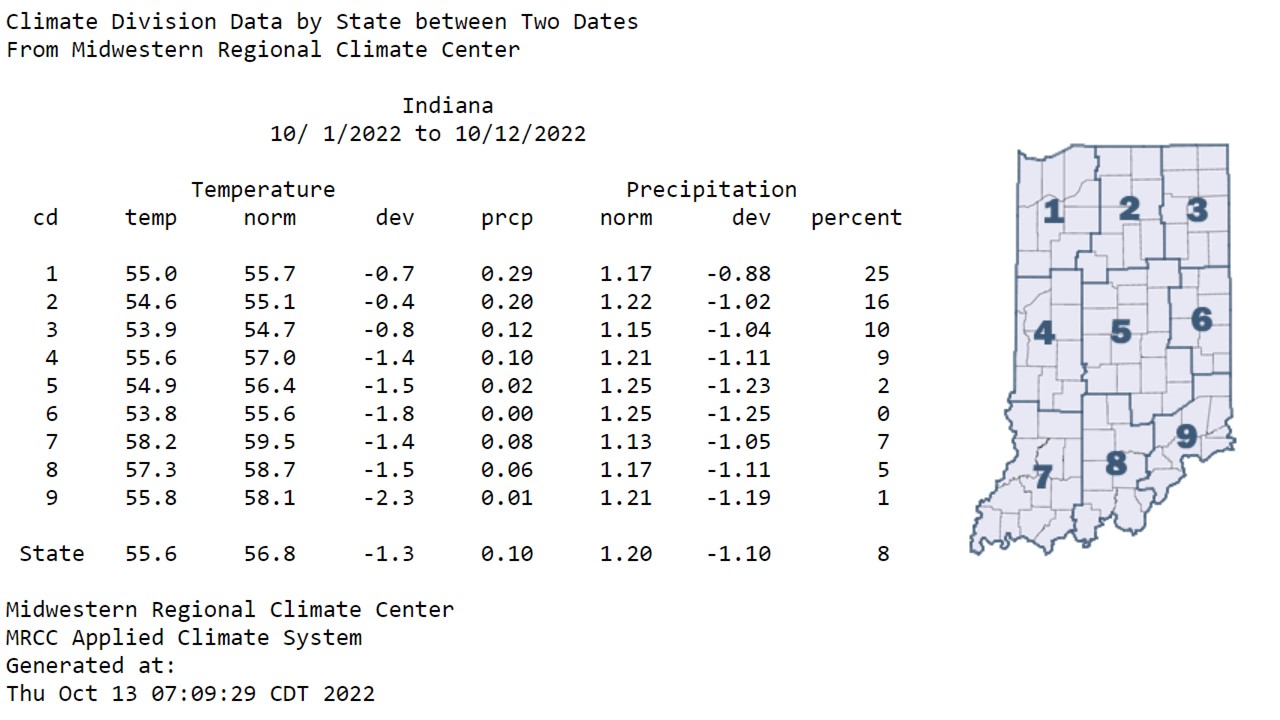
Fall has brought cooler weather through the first twelve days of October.
Fall has brought cooler weather through the first twelve days of October.
Sample to the proper depth and retain the whole soil core to get a representative soil sample.
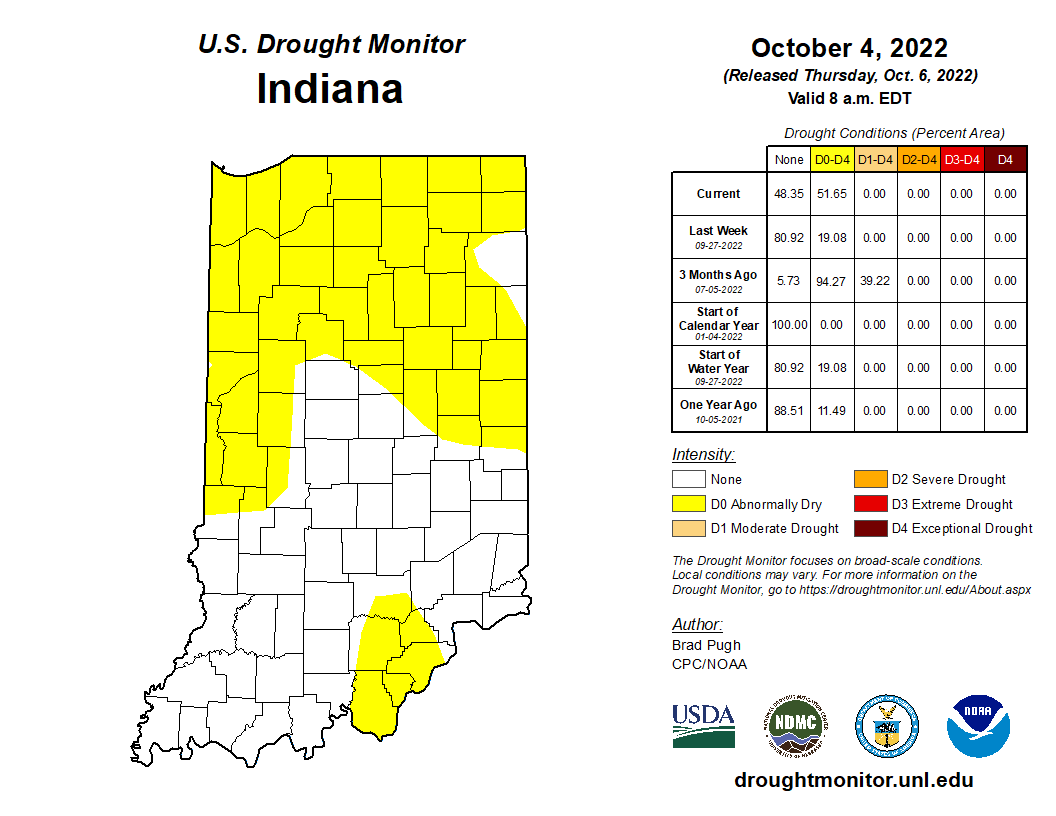
As another dry week passes, we are left to wonder when the next significant rain event will occur. The 7-day precipitation forecast is indicating little-to-no precipitation until the end of next week where amounts are still likely to be below half an inch. Climate outlooks beyond this next week is favoring near-normal precipitation – which may not be enough to get most counties out of their current precipitation deficit. Temperatures seem to be wildly transitioning from above normal to below normal at a time of year when evapotranspiration rates are declining. This could help reduce the rate of drought impacts increasing, but Indiana is still likely to see some in the form of burn bans, mild dust storms, low lakes and streams, and stressed vegetation. With farm equipment entering fields, this could bring additional risk for unplanned ignitions. According to the U. S. Drought Monitor (USDM), abnormally dry (D0) conditions[Read More…]
On this episode, Shaun and Dan talk about the slow start to the harvest season and some early soybean yield numbers.
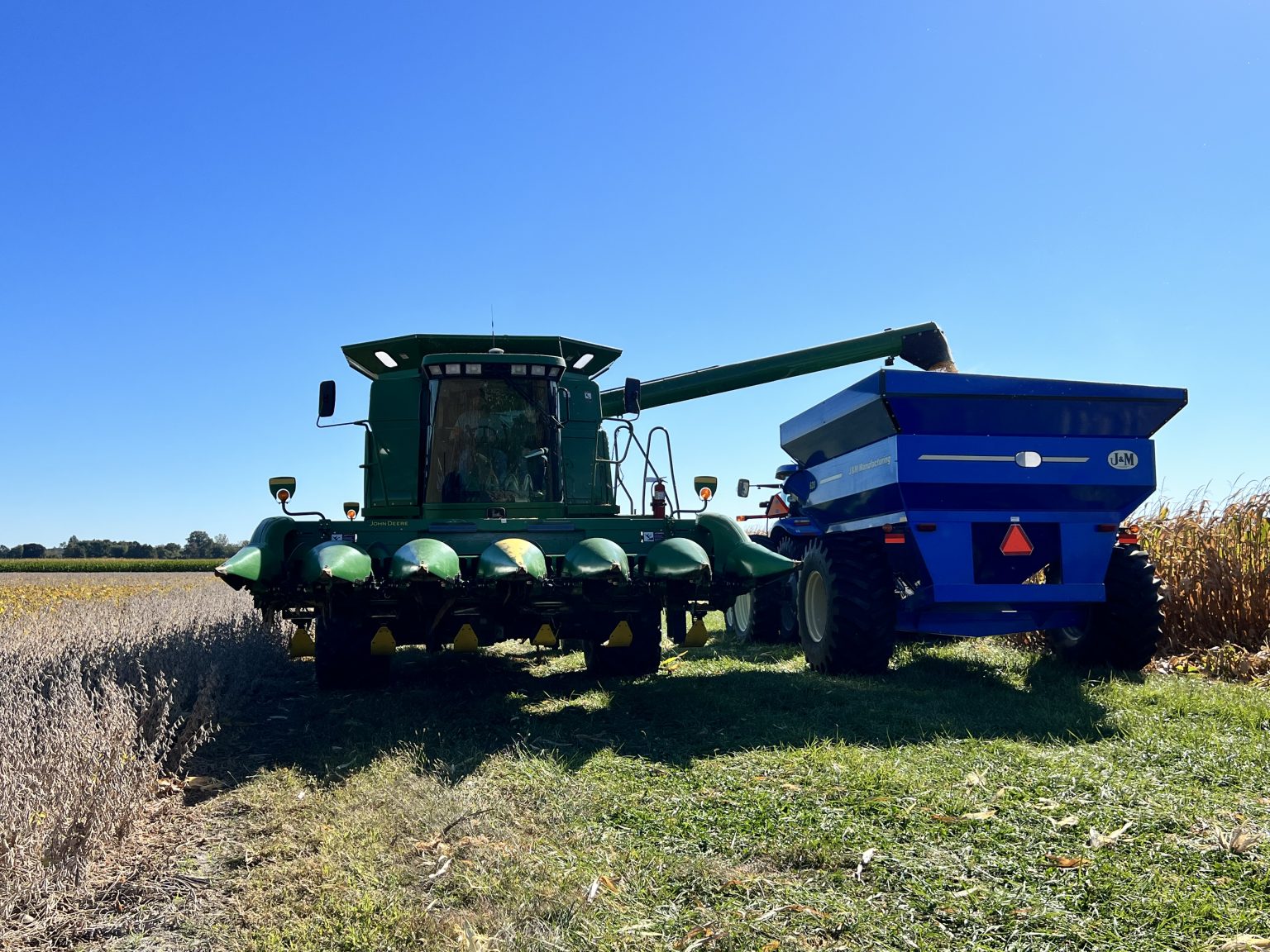
Although yield is always at the forefront of many corn farmers and agronomists’ minds during harvest, another important discussion topic each fall is that of grain test weight.
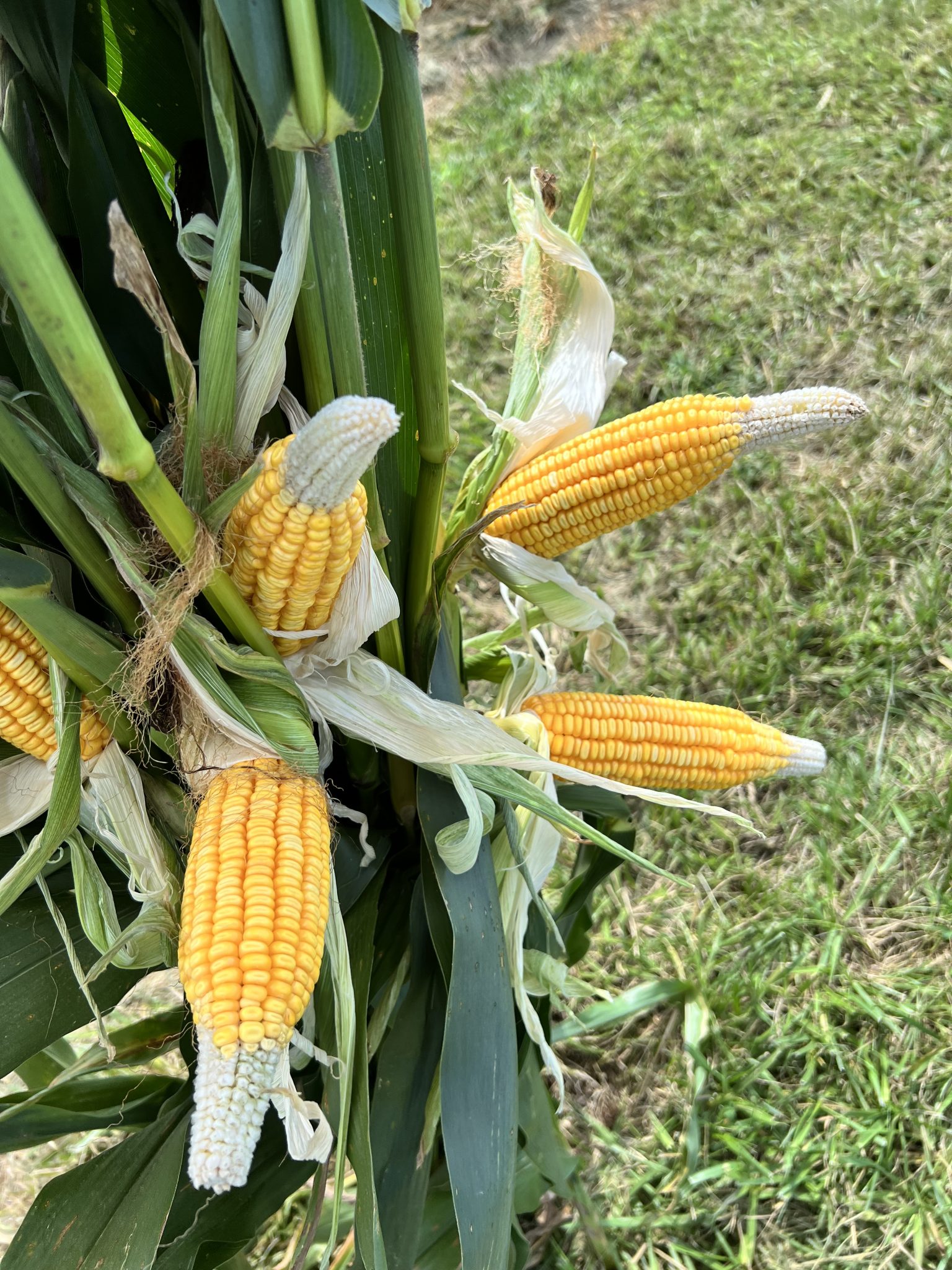
Each year as corn harvest approaches and the anticipation for finally being able to get behind the wheel of the combine heighten, it is not uncommon to find work benches, dinner tables, and agronomist office desks full of corn ears.
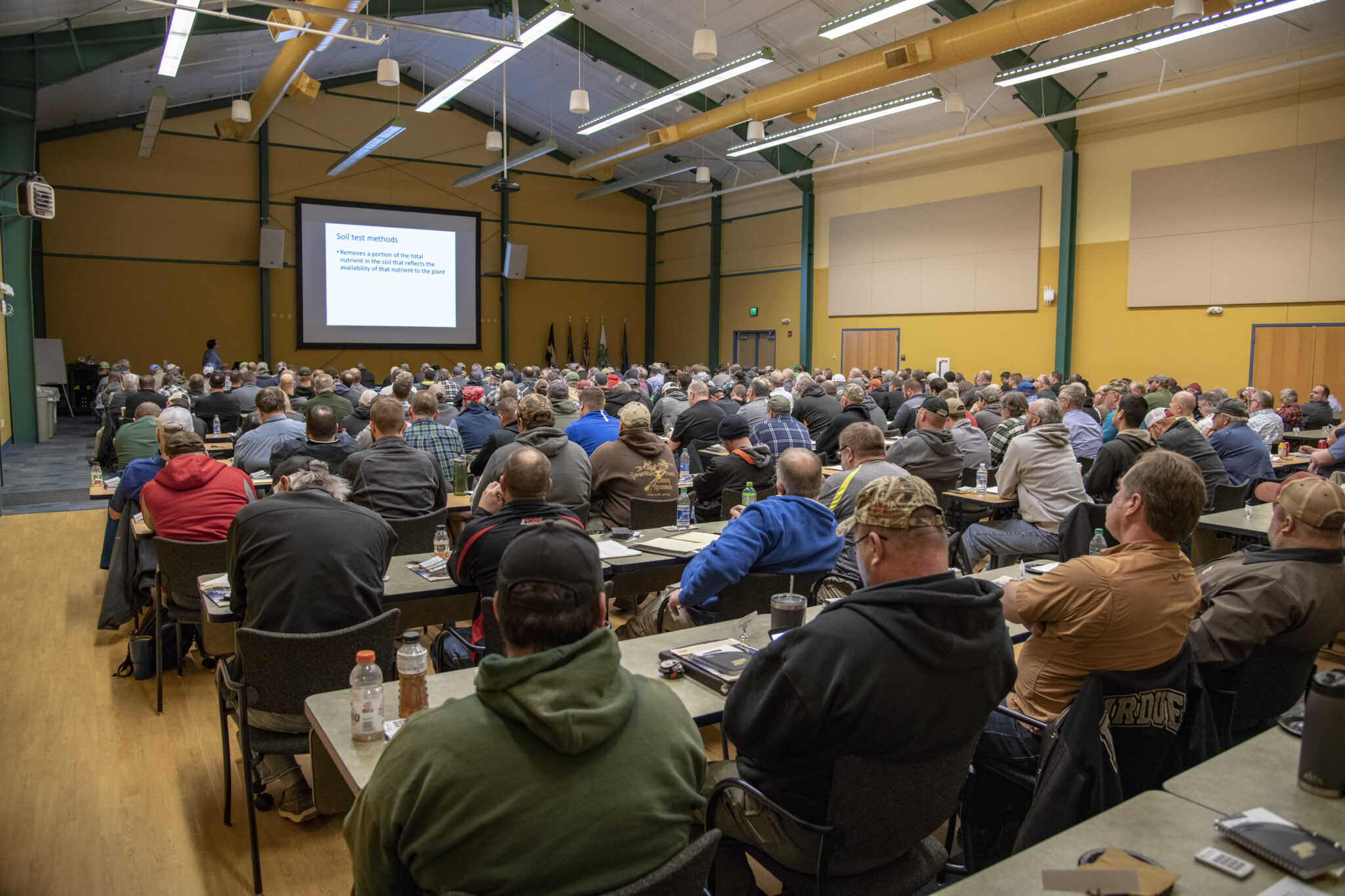
This coming January, the Crop Management Workshops will offer three in-person meetings, with one also being a livestream (virtual) option.
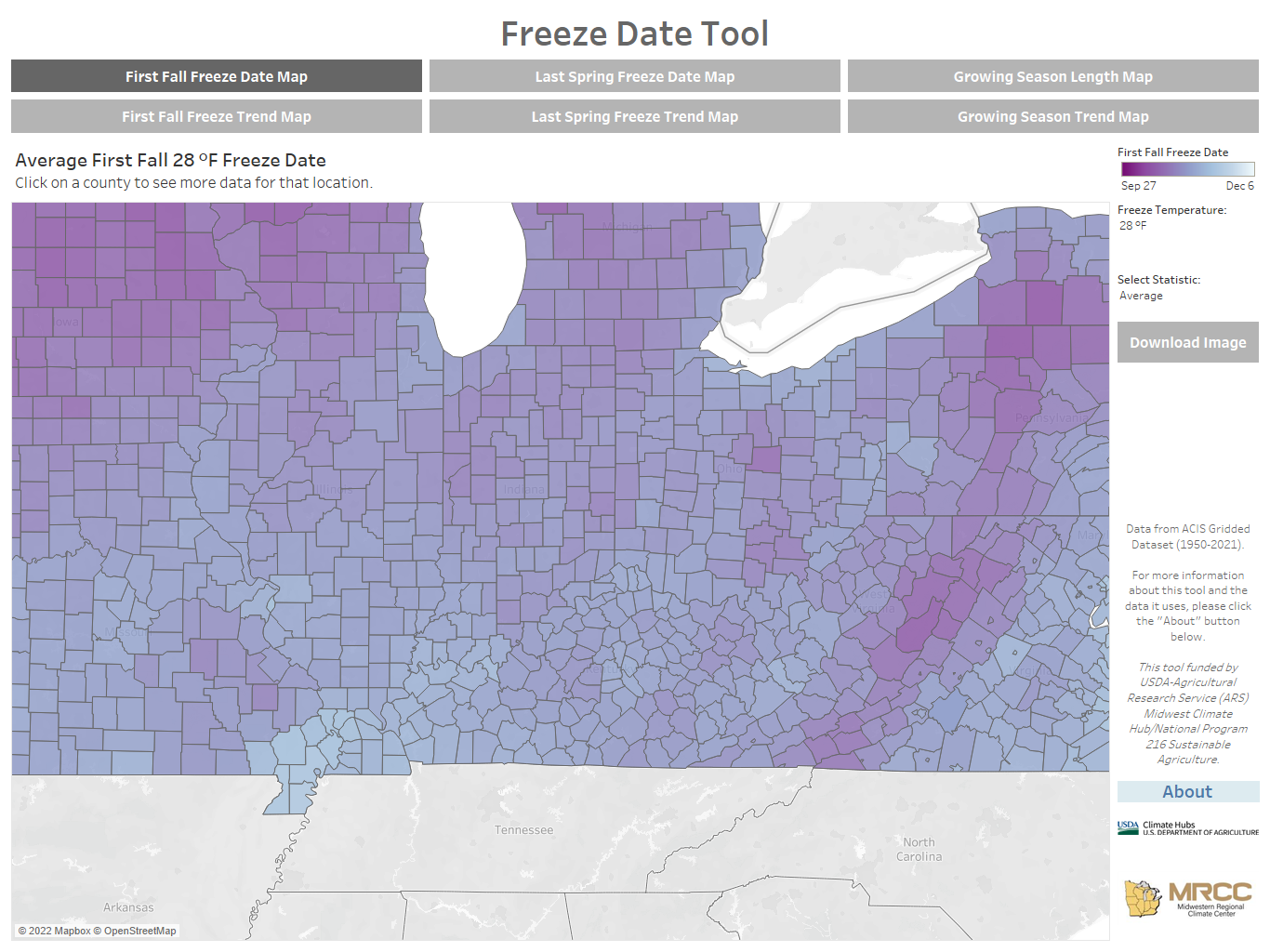
As the days (and nights) have been getting cooler, I wanted to share with you a new online tool that the Midwestern Regional Climate Center (MRCC) has developed that provides an interactive way to learn more about the climatology of the first fall and last spring freeze dates across our region.
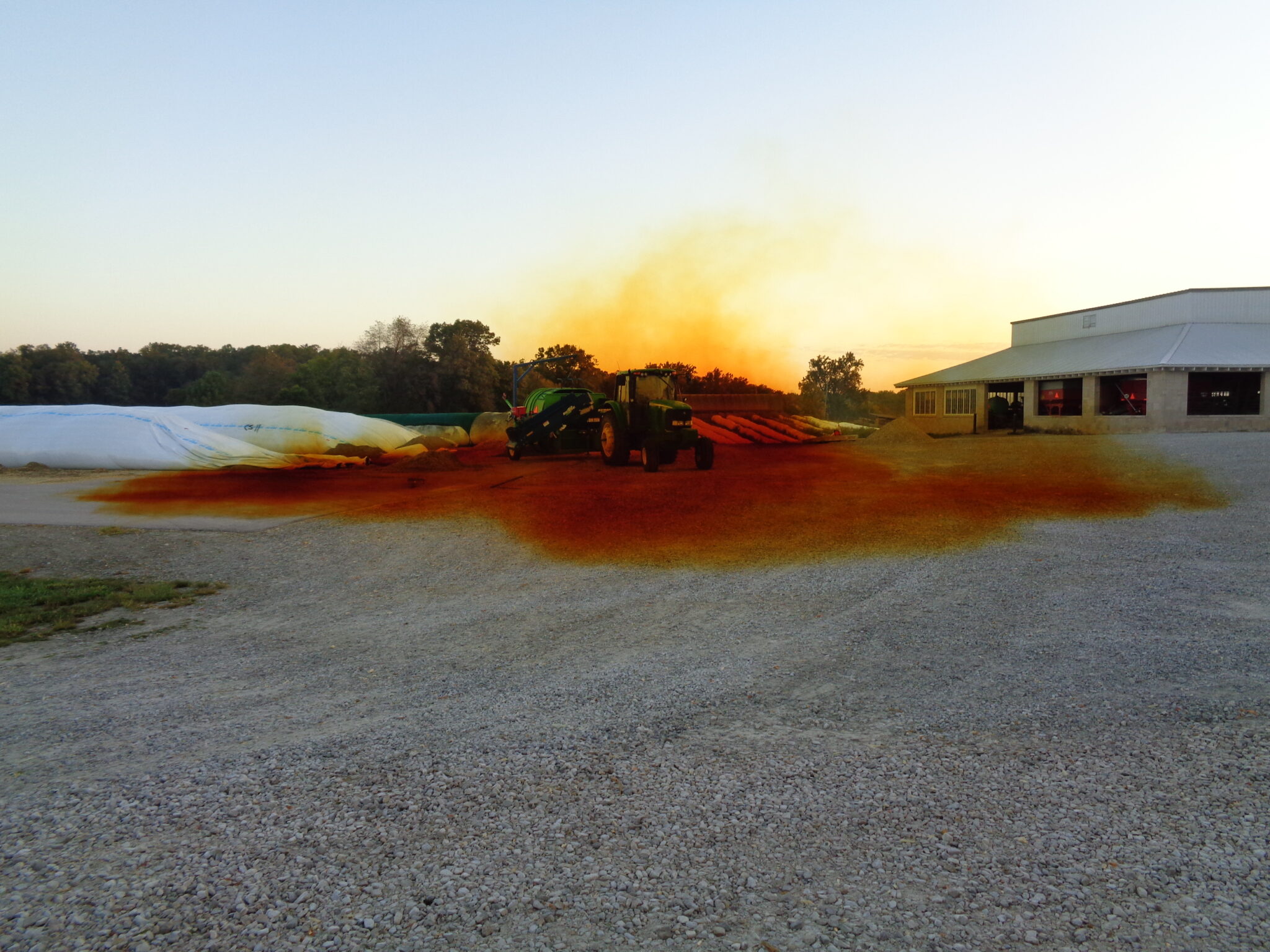
Perhaps it is fitting that the eerie poisonous gas flowed from the end of a silo bag not adequately sealed at the end with a lime pile as this is “National Farm Safety and Health Week”.

After another wet weekend and cooler temperatures to start this week, it may be surprising to hear that conditions will be changing back to warm and dry for the next several weeks.
© 2026 Purdue University | An equal access/equal opportunity university | Copyright Complaints | Maintained by Pest&Crop newsletter
If you have trouble accessing this page because of a disability, please contact Pest&Crop newsletter at luck@purdue.edu.