According to the USDA-NASS planting progress report released on June 9, 2025, 97% of the U.S. corn crop has been planted, a notable increase from 93% the previous week and at the same pace as the five-year average of 97% (Figure 1).
According to the USDA-NASS planting progress report released on June 9, 2025, 97% of the U.S. corn crop has been planted, a notable increase from 93% the previous week and at the same pace as the five-year average of 97% (Figure 1).

As of May 16, 2025, 62% of the U.S. corn crop has been planted, ahead of both last year’s pace (47%) and the 5-year average of 56% (Table 1). Favorable weather conditions last week allowed farmers across much of the Corn Belt and northern states to make strong progress. Southern states continue to lead progress, with Texas (84%), North Carolina (86%), and Tennessee (76%) nearing completion of early vegetative establishment. Across the Corn Belt, planting activity accelerated sharply. Iowa climbed to 76%, Minnesota reached 75%, and Nebraska advanced to 73%, all well ahead of their historical averages. Illinois also made significant gains, jumping from 32% to 54%. While Ohio (25%) and Wisconsin (44%) remain behind their average pace. Warmer temperatures and drier conditions are expected to support continued improvement in seedbed preparation, emergence, and early stand establishment in the coming weeks. In Indiana, the USDA-NASS report indicates that 45% of[Read More…]
As spring approaches and farmers and agronomists begin to get anxious as corn planting approaches, the question that often arrives each year is when is the best time to begin planting?
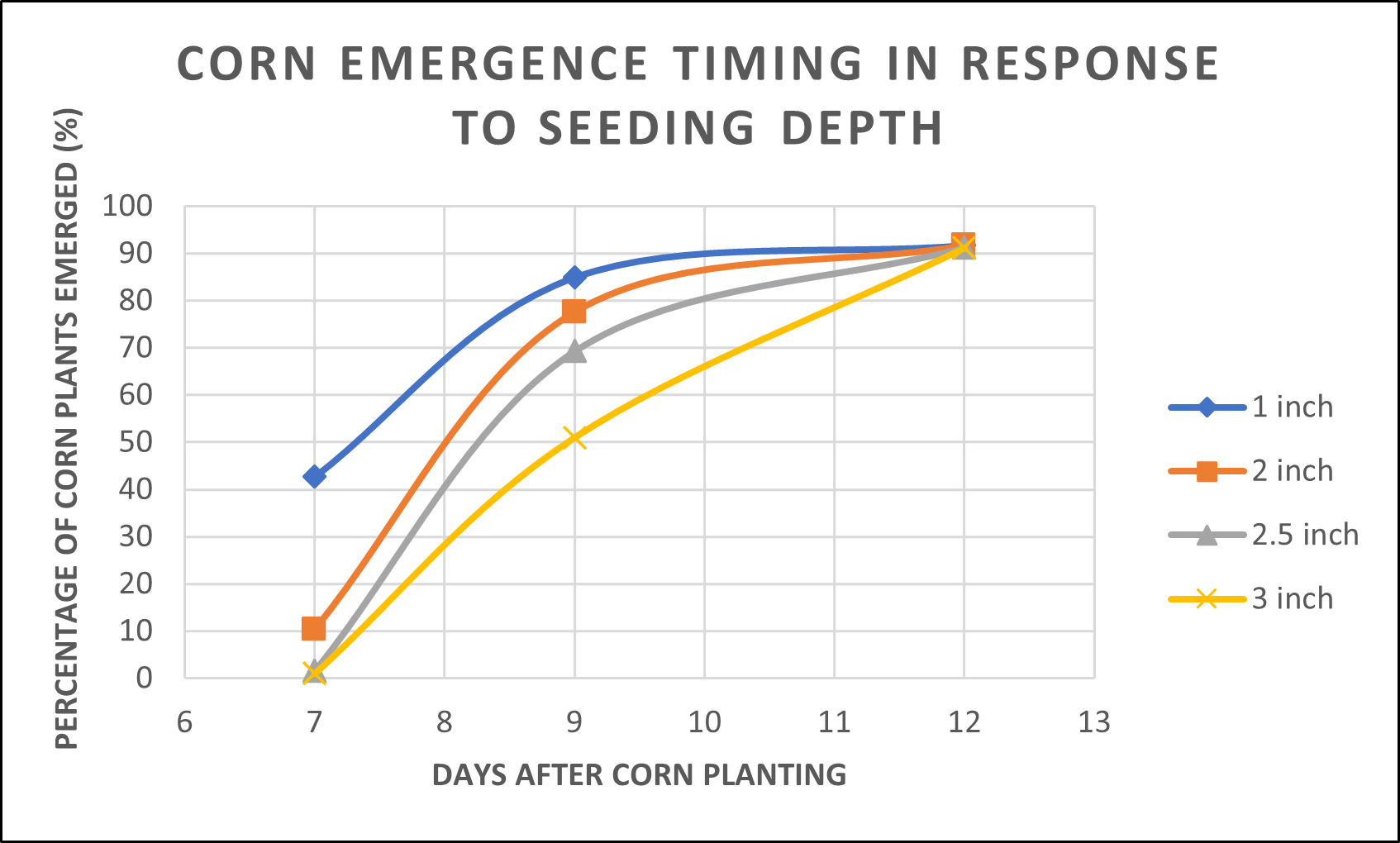
During the heat of planting, one thing that often can be forgotten is thoroughly checking and understanding two items, 1) what seed depth am I planting at? and 2) is my seeding depth consistent, especially across all of my individual row units?
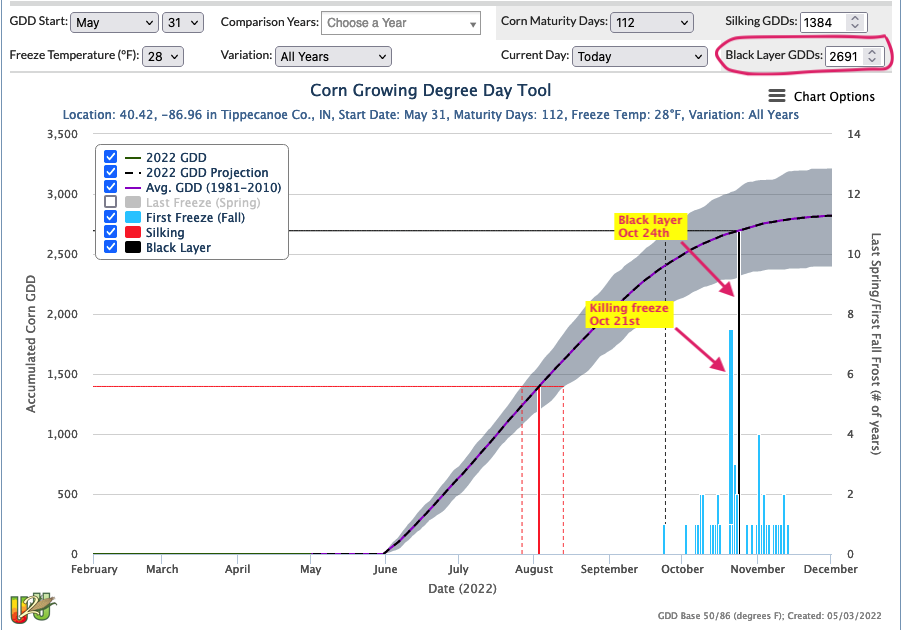
Delayed planting seasons create a lot of frustrations for everyone involved with planting crops.
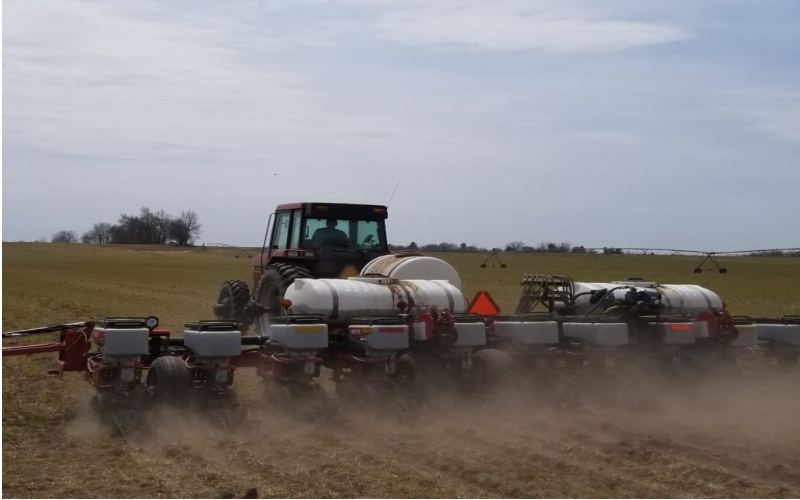
The key to maximizing corn yield is largely driven by minimizing the impact of potential yield-limiting factors during the growing season.
The short answer to the question posed by the title of this article is: “Whenever you want to begin planting corn.”
© 2026 Purdue University | An equal access/equal opportunity university | Copyright Complaints | Maintained by Pest&Crop newsletter
If you have trouble accessing this page because of a disability, please contact Pest&Crop newsletter at luck@purdue.edu.