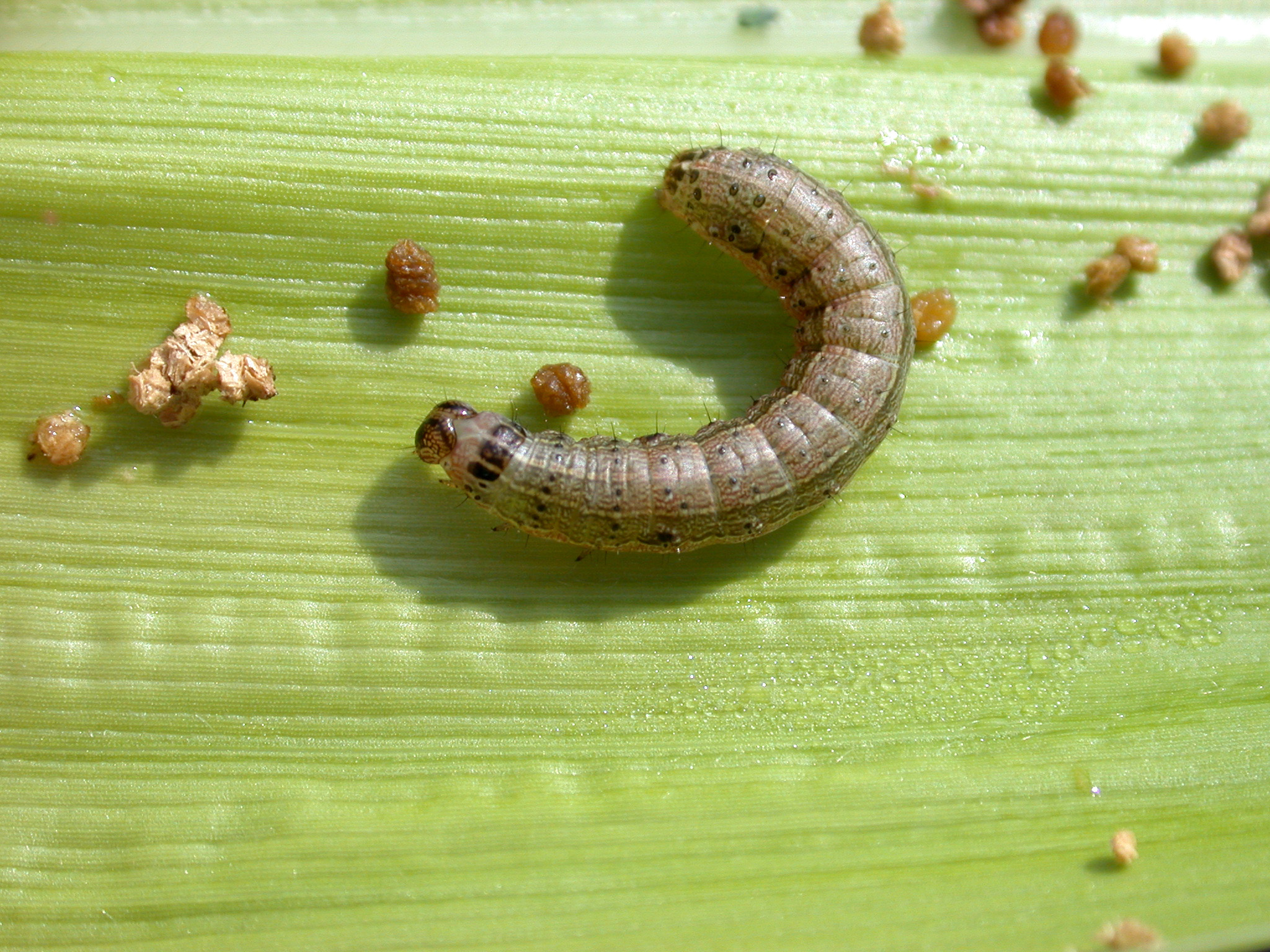
In recent weeks, fall armyworm infestations have been decimating some soybean and forage crops in Kentucky.
In recent weeks, fall armyworm infestations have been decimating some soybean and forage crops in Kentucky.
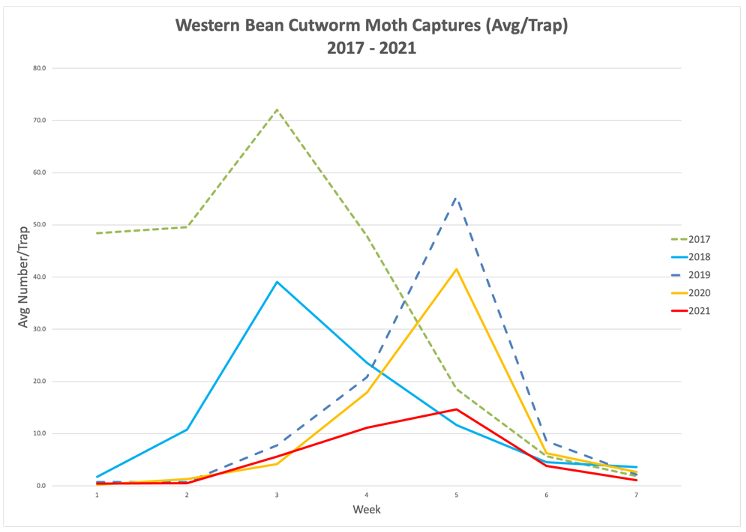
Although some other states in the US corn belt, and in Ontario, Canada are seeing high moth flights (and we thought Indiana would follow suit), Indiana is a “have-not” state for WBC this year.
Hard to believe, but fall and cooler temperatures will be here in less than a month.
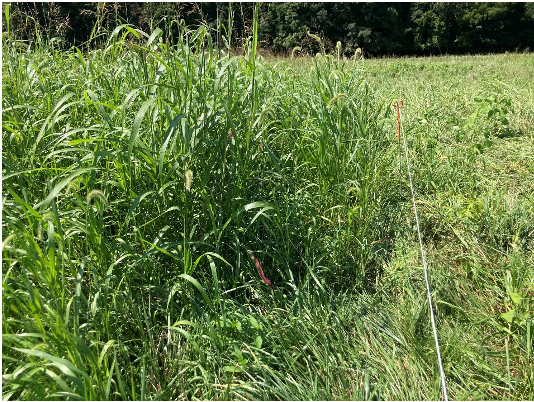
After four decades as Purdue University’s Forage Extension Specialist, there is one forage production practice recommendation that draws my ire and has become a major pet peeve; so much that every time the recommendation is offered I think I lose another hair follicle on my head and legs.
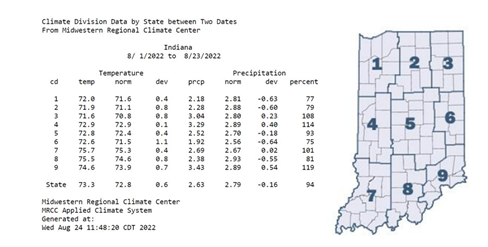
For the second week in a row, the much-appreciated cooler temperatures remained from August 17-23. The preliminary state average temperature was 71.2◦F, which was 1.2◦F below the 1991-2020 normal.
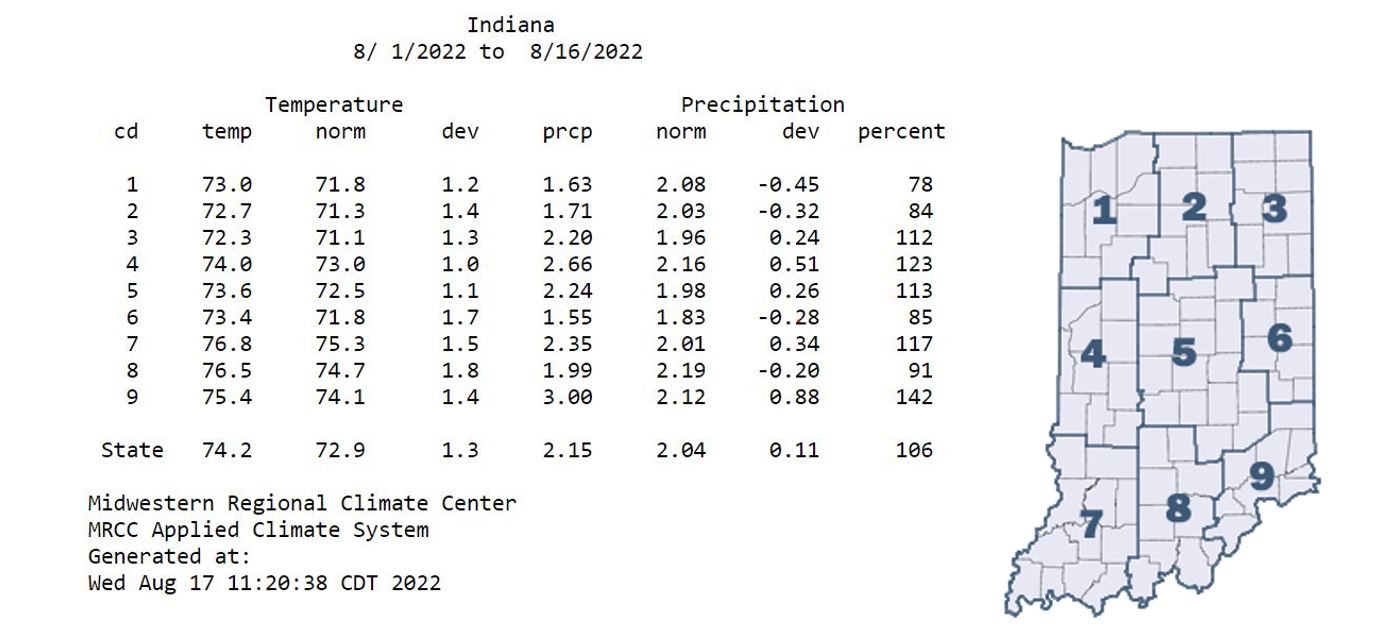
Cooler weather has arrived as all of the Indiana climate divisions average temperatures were 1-1.8◦F above normal, compared to the 4-6◦F above normal temperature departures from a week ago.
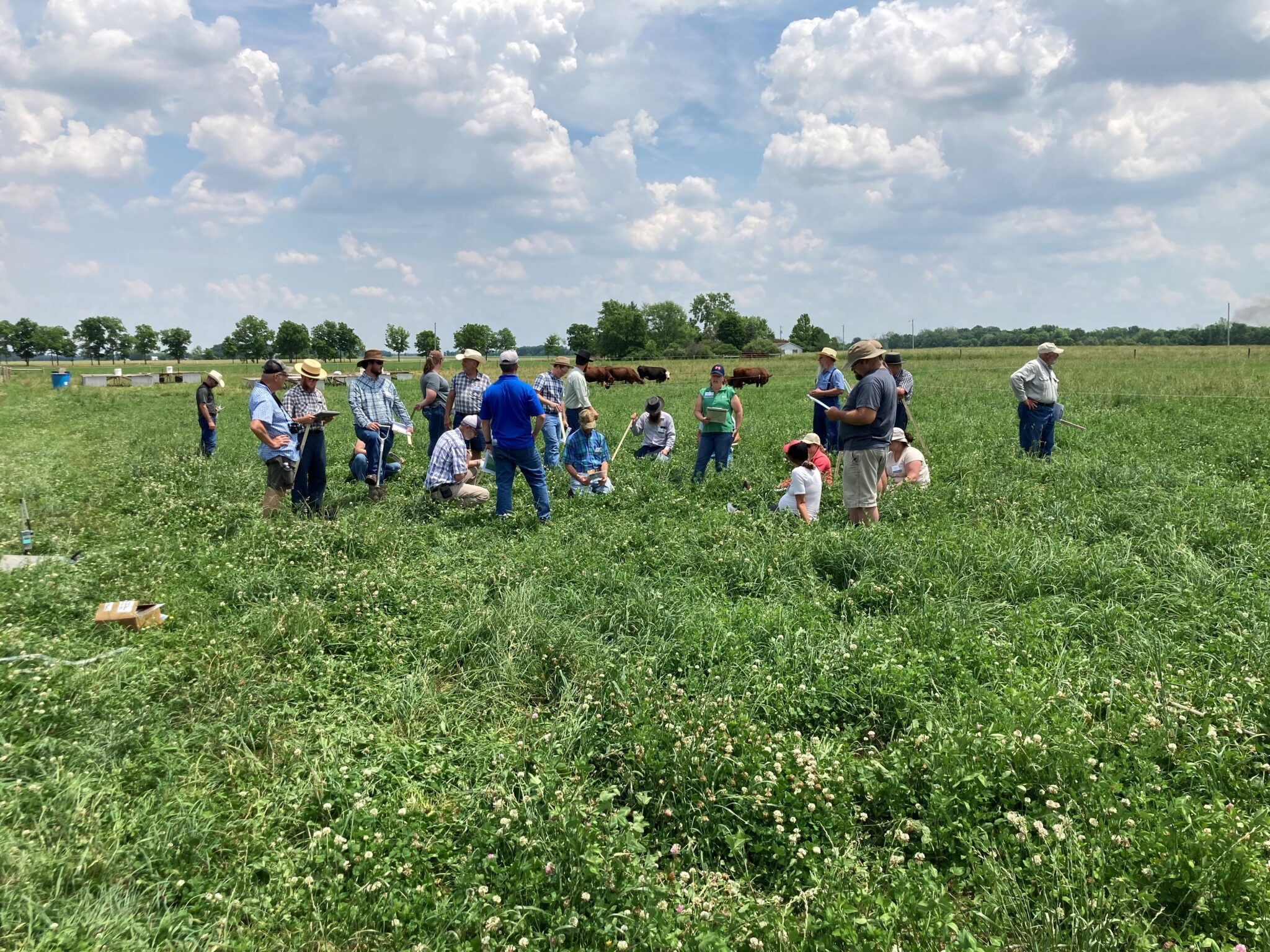
The Purdue University Crop Diagnostic Training and Research Center is offering a daylong program at the Feldun-Purdue Agricultural Center located just west of Bedford on Thursday September 1.
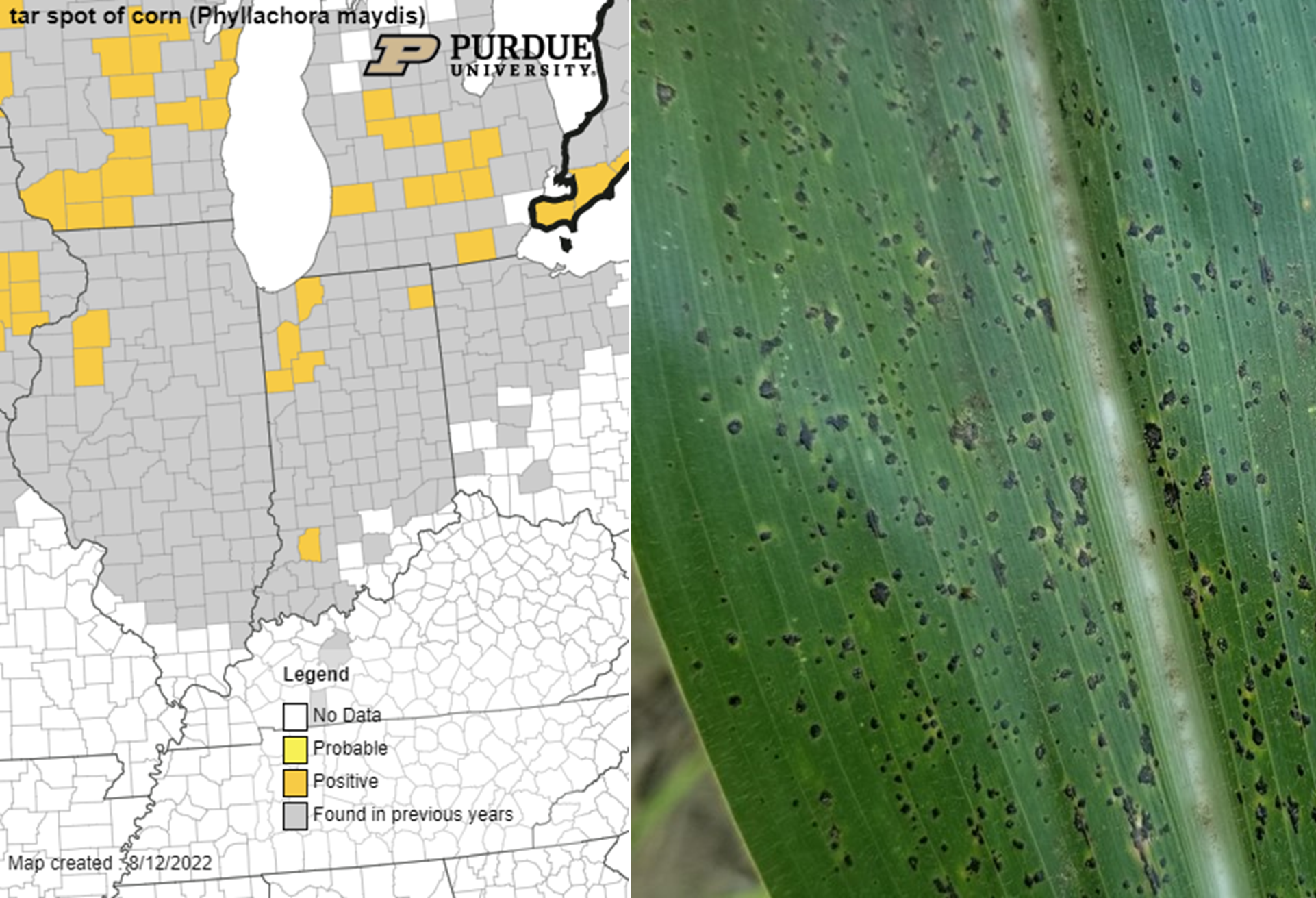
Tar spot continues to be found in Indiana and our first confirmation of southern corn rust happened this week (Figures 1 and 2).

On this episode of the Purdue Crop Chat Podcast, Purdue Extension Soybean Specialist Shaun Casteel and Corn Specialist Dan Quinn welcome Indiana State Climatologist Beth Hall to discuss the weather extremes farmers have faced and might continue to face this season.
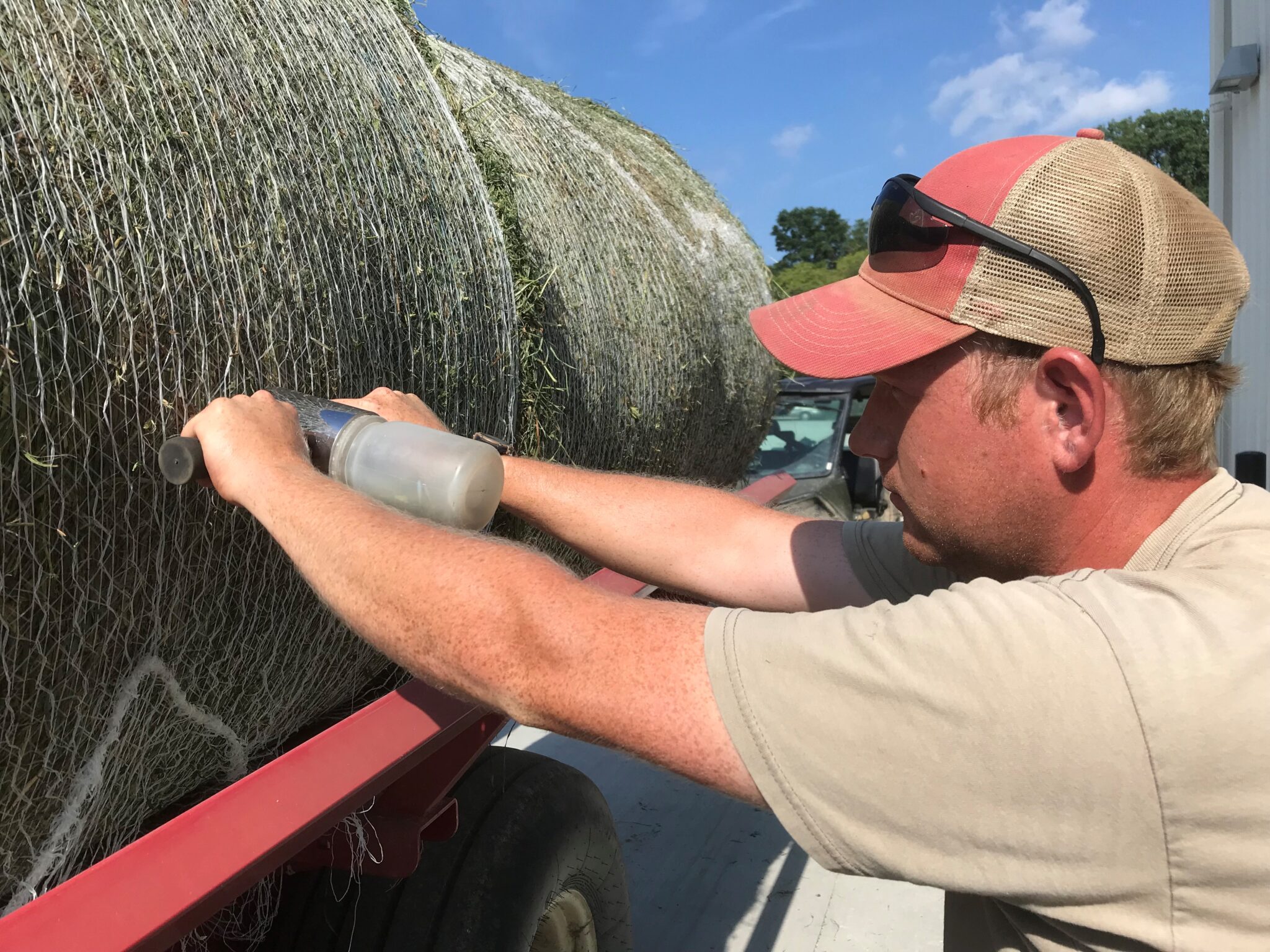
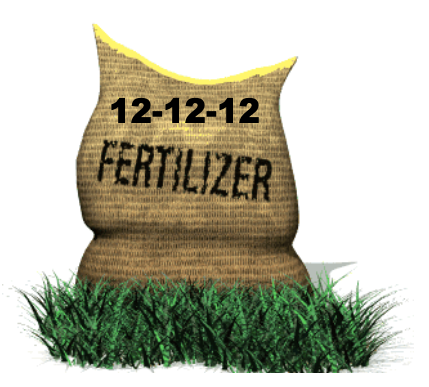
Brad Shelton, Feldun-Purdue Agricultural Center Superintendent, informed me of high nitrate values in sorghum-sudangrass that were reported on a forage analysis.
© 2026 Purdue University | An equal access/equal opportunity university | Copyright Complaints | Maintained by Pest&Crop newsletter
If you have trouble accessing this page because of a disability, please contact Pest&Crop newsletter at luck@purdue.edu.