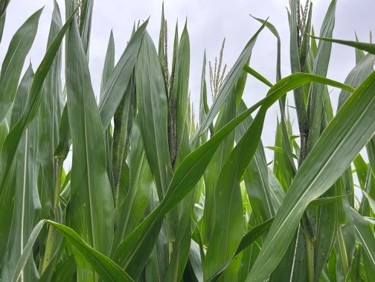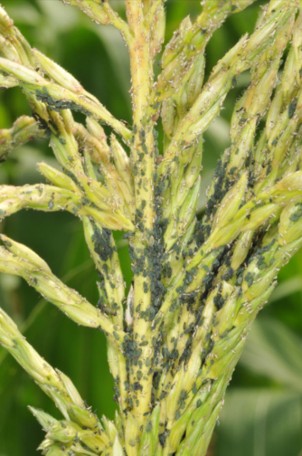
Calls and observations from both north-central and eastern Indiana indicate populations of aphids that are so high they are covering the upper leaves of plants.


Calls and observations from both north-central and eastern Indiana indicate populations of aphids that are so high they are covering the upper leaves of plants.

Corn leaf aphid (CLA), is typically an occasional presence in cornfields within the Midwest. They are a common sight late in season, in September and October, when corn is starting to senesce and they can’t have much impact on yields. They are frequently seen on corn stalks close to the ground at this time and can reach very high numbers, with black sooty mold covering some plant parts. Since corn plants are effectively “shutting down” at this time in terms of photosynthesis, they are not a pest of concern at that time.

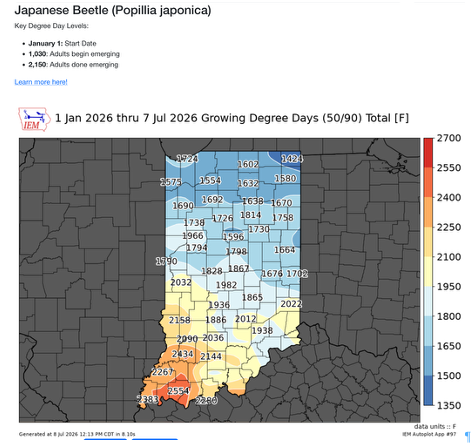
As shown by the degree-day accumulations below, Japanese beetle adults are emerging throughout the state and the first few traces of feeding can be found in soybeans and corn.

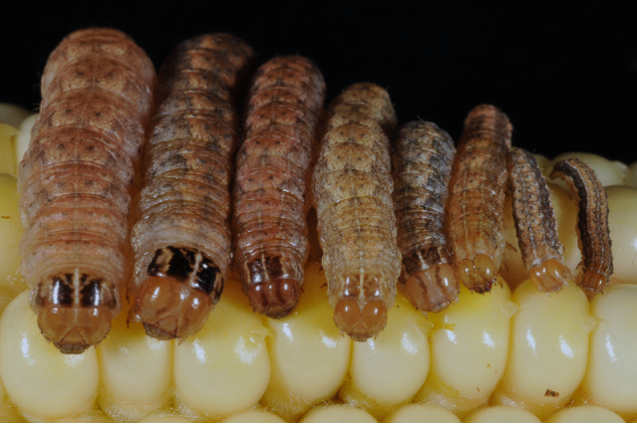
Although not a pest in all of the state, the Western bean cutworm (WBC) has been in an issue for Indiana producers for 20 years – the first recorded adult capture was documented in the Pest&Crop newsletter on July 7 2006 both in pheromone traps and black light traps, at PPAC in Wanatah, and NEPAC in Columbia City, respectively.

The recent heavy rains throughout much of Indiana have resulted in some flooded fields.

Each year, Indiana crop scouts focus on a wide range of crop pests – above and below ground, feeding on roots, shoots, grain and patchily distributed around the state.
As many of you know, our statewide moth pheromone trapping network is not active this year.

Multi-state study examines whether AI and satellite-guided scouting and recommendations can improve yields and profits.

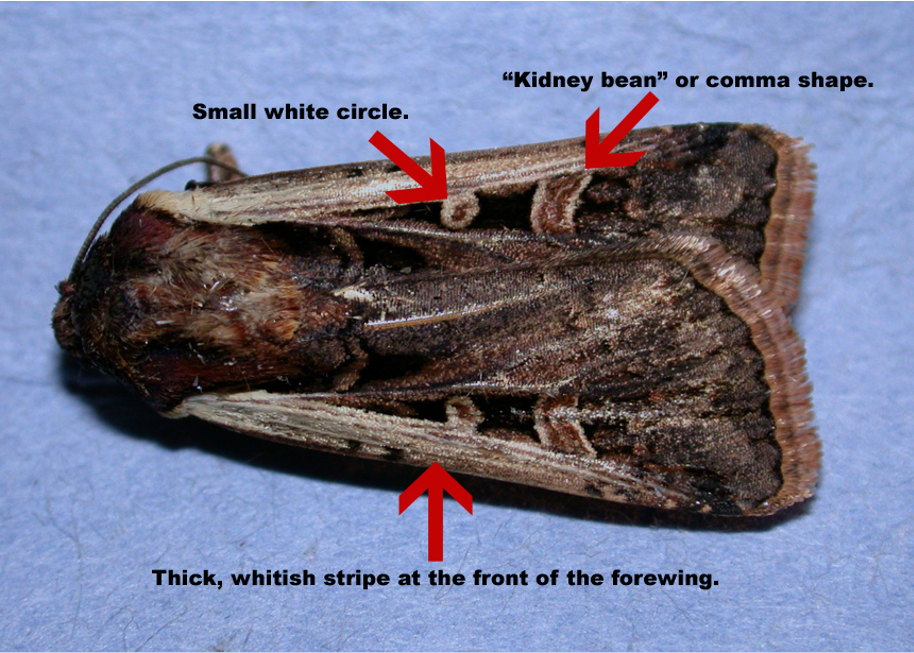
Reports from eastern Indiana and Ohio suggest indicate some recent impressive black cutworm pheromone trap catches, reminding us that it is time to start thinking about this pest in certain situations.

North central entomologists, led by Dr. Anthony Hanson at UMN, have developed a survey to assess the needs for future alfalfa weevil applied research and extension topics. Pyrethroid resistance is a concern and one of the topics we are trying to assess with this survey. If you haven’t already, please click the link or scan the QR code below and add your input. It takes only a couple of minutes and will be used to guide our efforts on applied research! Take the survey
© 2026 Purdue University | An equal access/equal opportunity university | Copyright Complaints | Maintained by Pest&Crop newsletter
If you have trouble accessing this page because of a disability, please contact Pest&Crop newsletter at luck@purdue.edu.