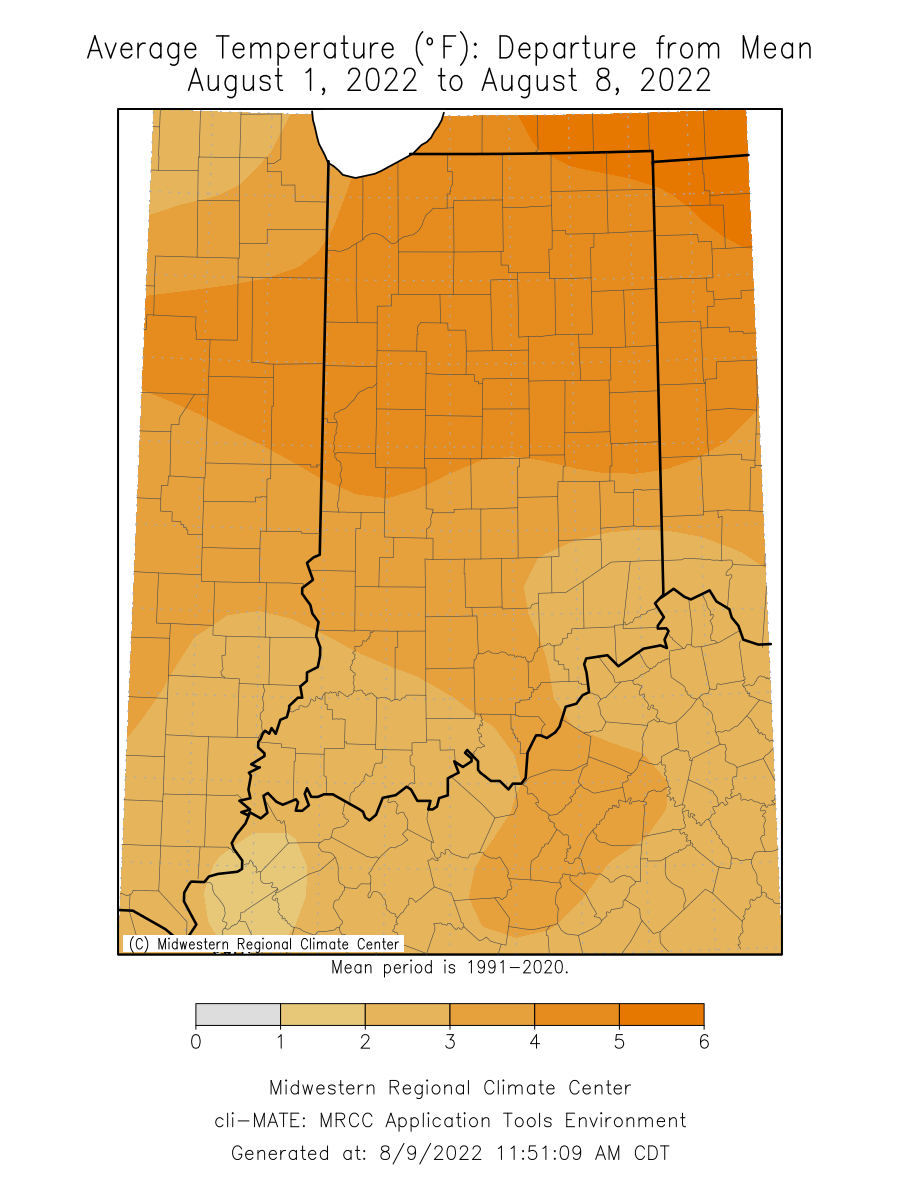
July temperatures averaged 1◦F above normal but had a couple of periods of extreme heat.
July temperatures averaged 1◦F above normal but had a couple of periods of extreme heat.
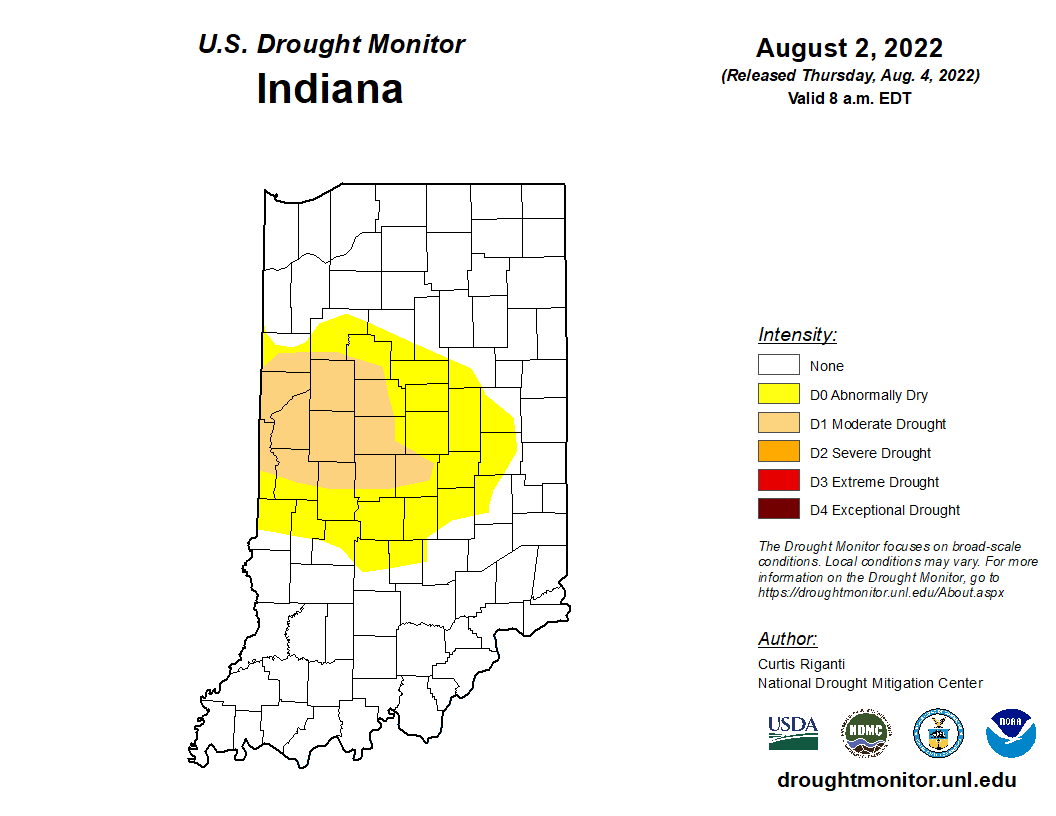
Since early June, Indiana has been seeing abnormally dry and moderate drought conditions gradually expand and intensify across the state.
The Popcorn Board is excited to announce that the same valuable content from the PDF version of the Popcorn Agri-Chemical Handbook is now available in a convenient mobile app, accessible for Android users in Google Play and for Apple users in the App Store!
2020 Western Bean Cutworm Pheromone Trap Report
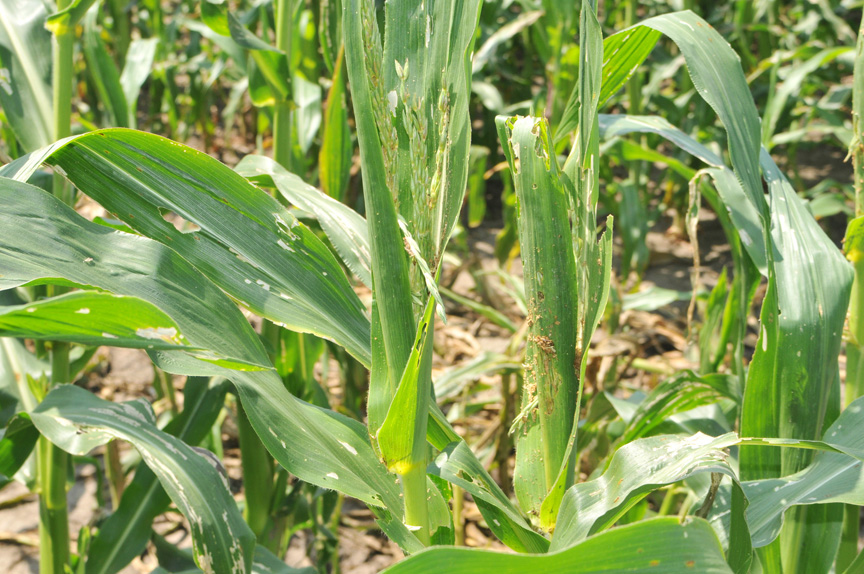
Everyone remembers last year; many are awaiting this year’s fall armyworm (FAW) attack. Still, at this time, there is little activity reported in the Midwest.
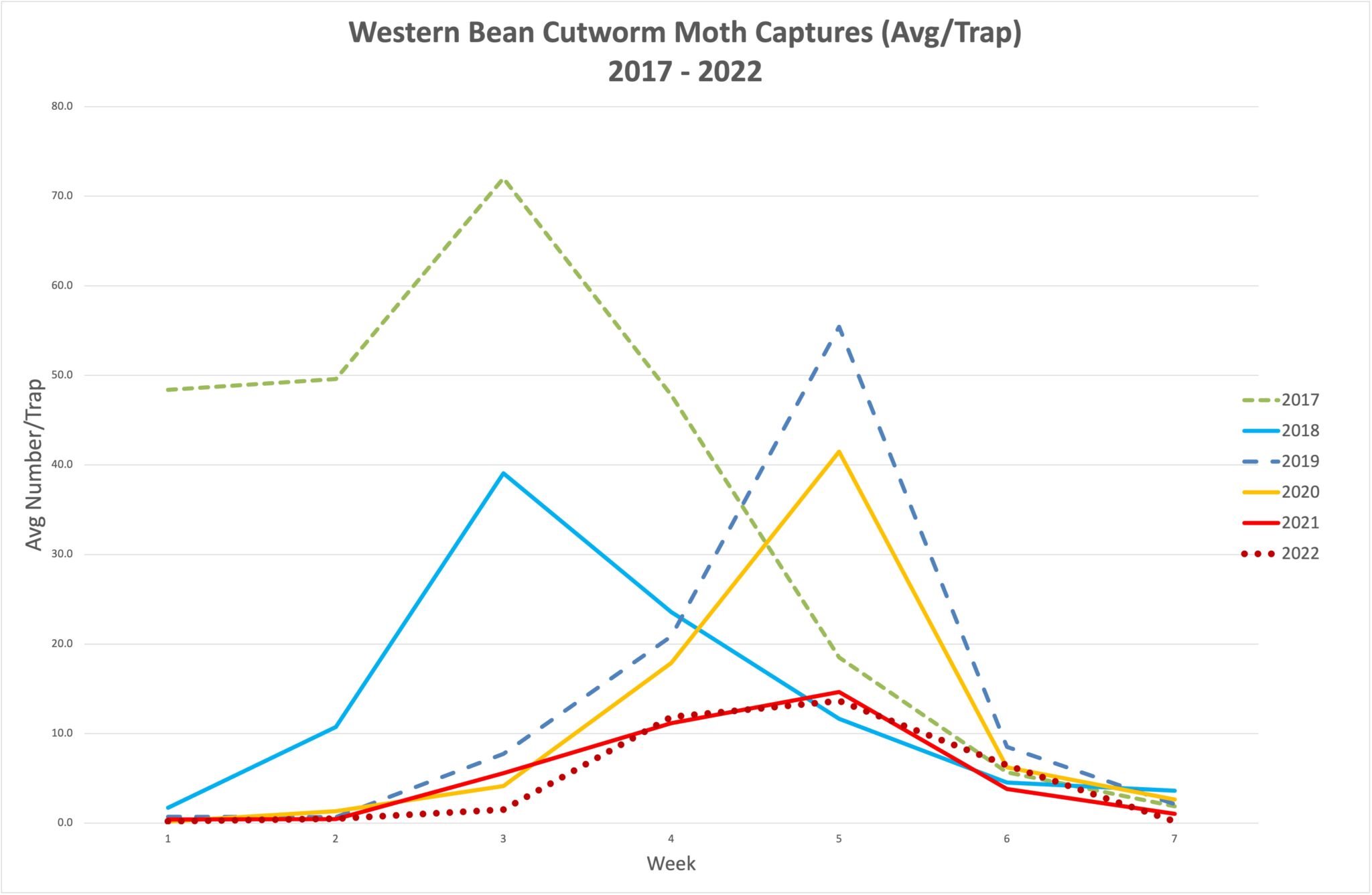
Although some other states in the US corn belt, and in Ontario, Canada are seeing higher moth flights, Indiana, like last year, is a “have-not” state for WBC this year.
2020 Western Bean Cutworm Pheromone Trap Report
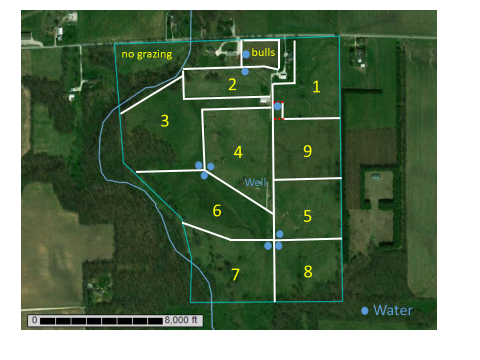
What does the word “stockpile” mean to you?
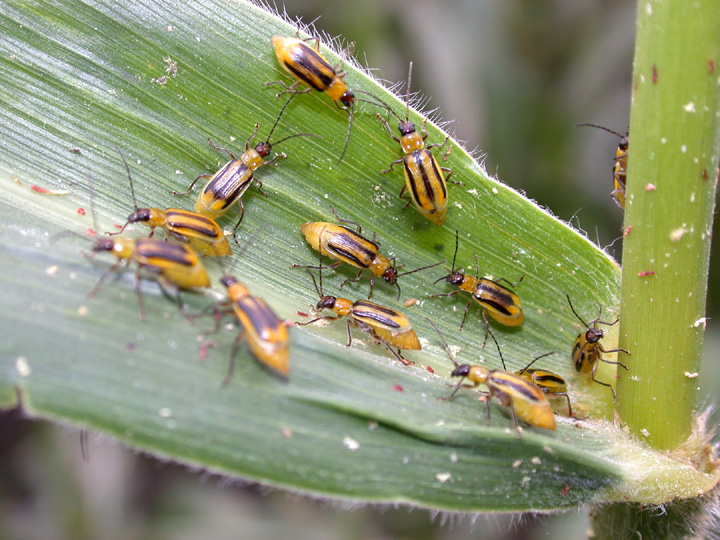
We’ve received multiple reports of impressive rootworm beetle populations in cornfields. Most of these fields were continuous corn without rootworm larval protection. These fields seem to be the exception, but the increasing trend is troublesome. This article is a reminder that is pest is still alive and well. For years, high adoption of highly effective Bt hybrids for rootworm control has likely contributed to a decline in rootworm populations. Overall, Indiana producers have managed this pest through a combination of crop rotation and/or use of Bt-rootworm hybrids. This approach, over many years, drastically reduced rootworm populations compared to 20 years ago. More recently, as state-wide rootworm risks to corn damage declined, producers have used less rootworm protection on their corn. This was a combination of those wanting to save money and take a chance with no protection or those assessing their risks on a field-by-field basis with scouting[Read More…]
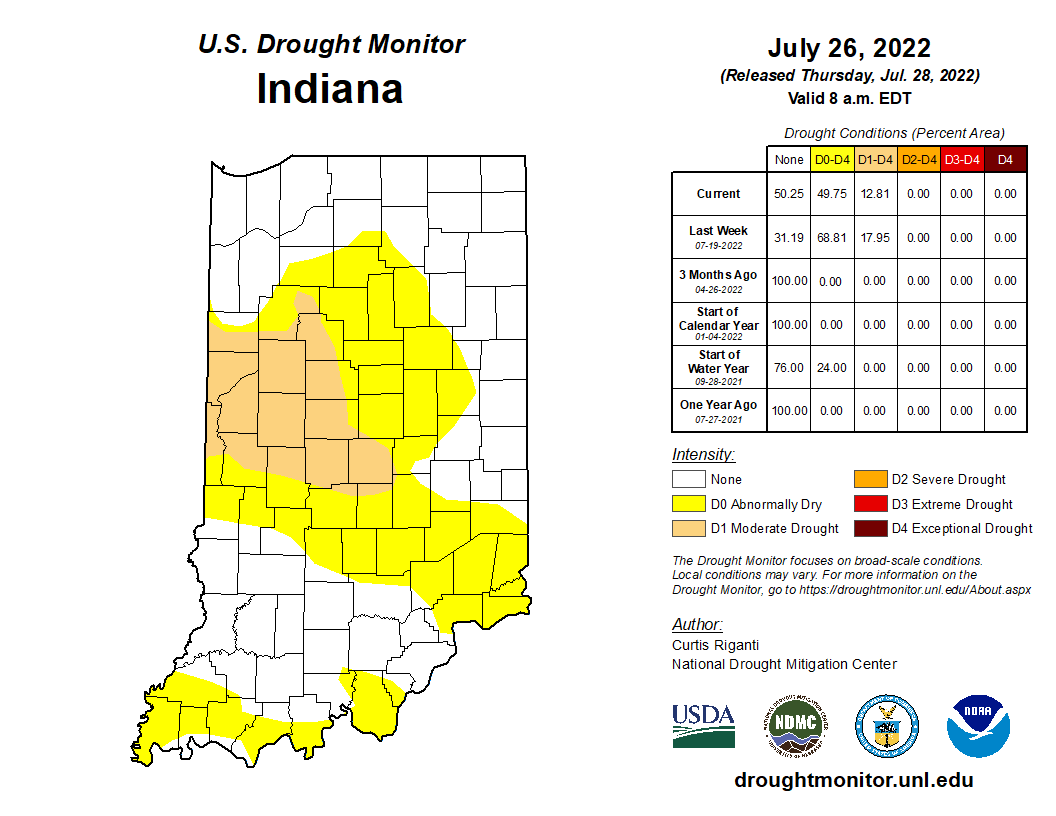
Rainfall over the past few weeks has helped to improve drought conditions across much of Indiana.
© 2026 Purdue University | An equal access/equal opportunity university | Copyright Complaints | Maintained by Pest&Crop newsletter
If you have trouble accessing this page because of a disability, please contact Pest&Crop newsletter at luck@purdue.edu.