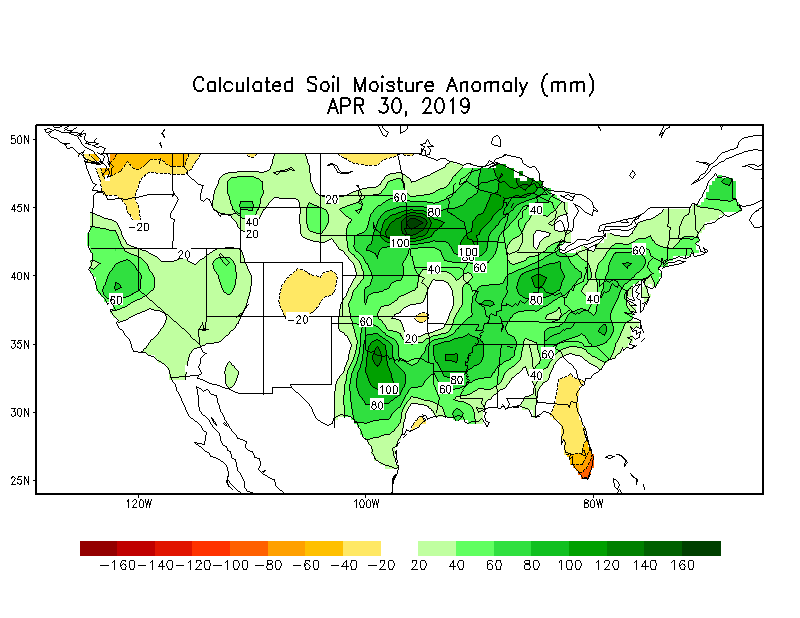
Rain, rain, go away! I hesitate to scream that too loud, though, for fear of a drought. That seems to be the weather and climate, these days – one extreme or another.
Rain, rain, go away! I hesitate to scream that too loud, though, for fear of a drought. That seems to be the weather and climate, these days – one extreme or another.
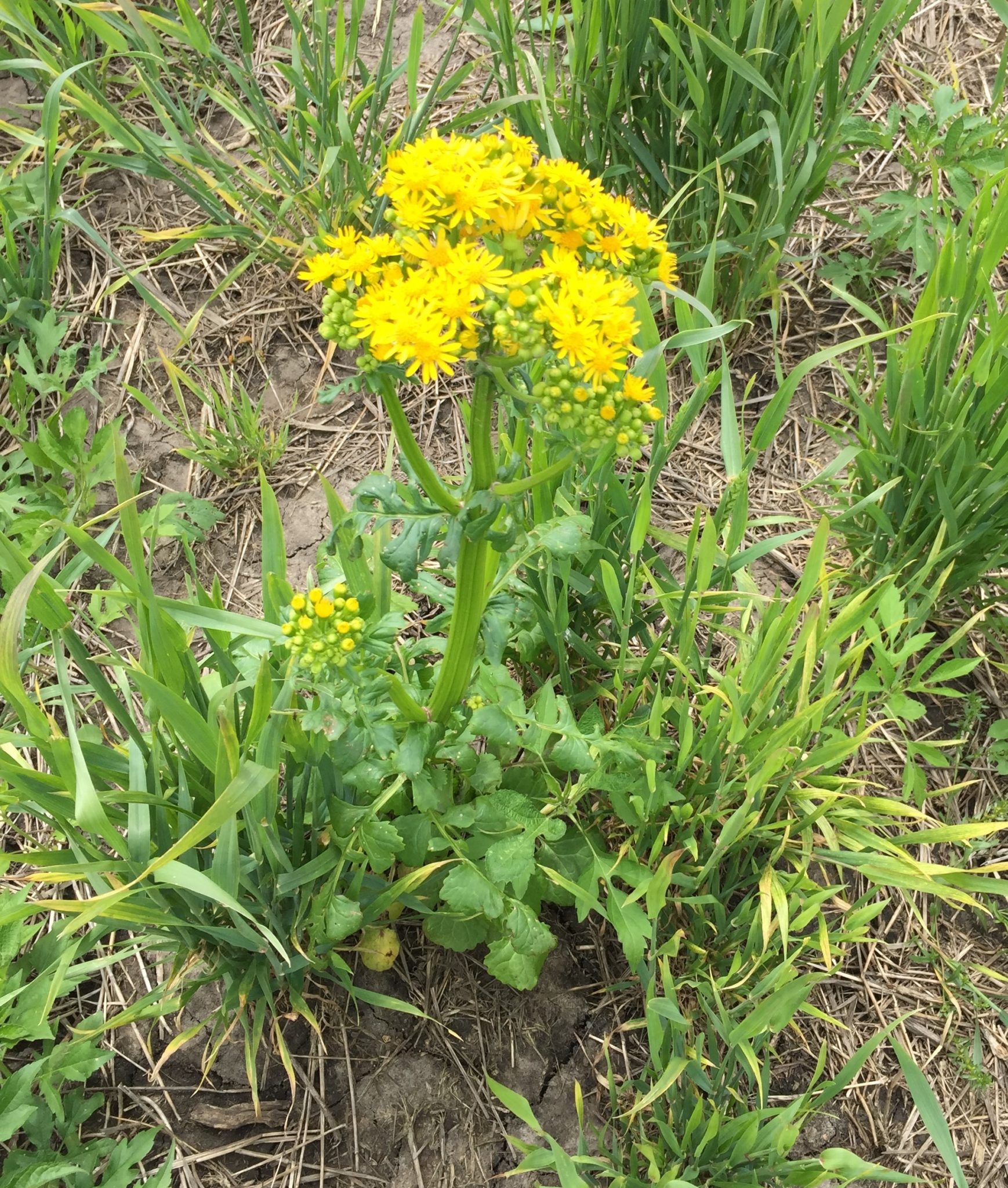
Every spring we receive several calls and e-mails about a certain 3-foot tall weed with yellow flowers. This year, cressleaf groundsel is slower to develop, presumably because of the extended cold and wet weather which has not allowed much field work (spring tillage or burndowns for no-till) to proceed.
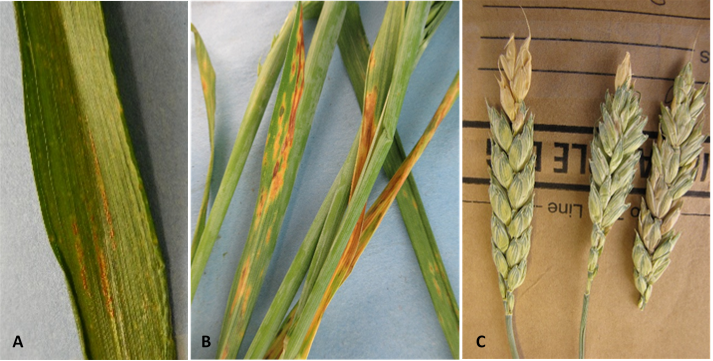
Even though rainy conditions continue to slow planting across the state, we need to keep an eye on winter wheat. These wet conditions will favor many fungal diseases.
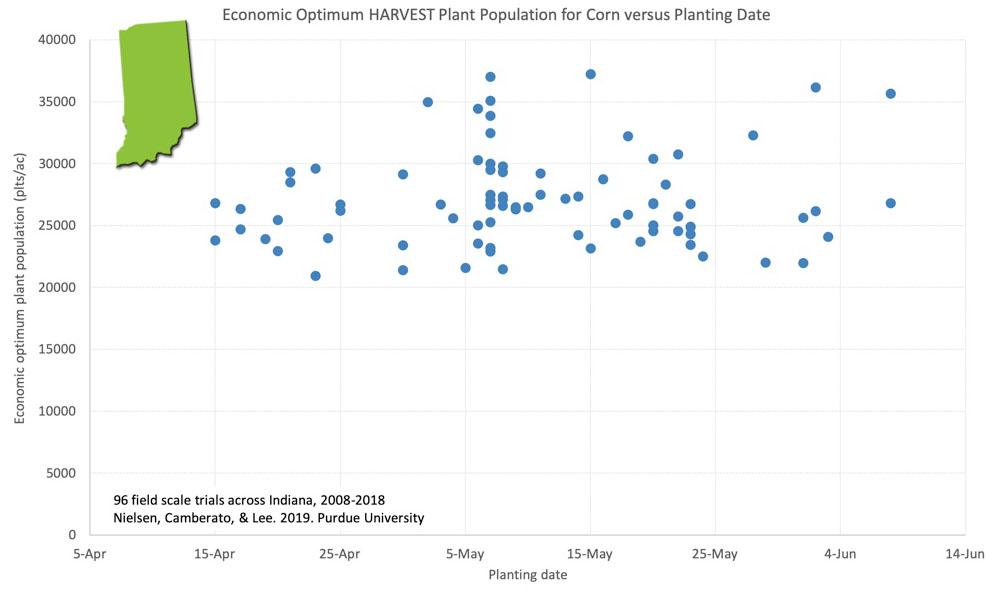
The prospect of delayed planting of corn leads corn growers to consider whether changes in seeding rate should be made in response to late planting. The short answer is that optimum plant populations probably remain the same regardless of planting date.
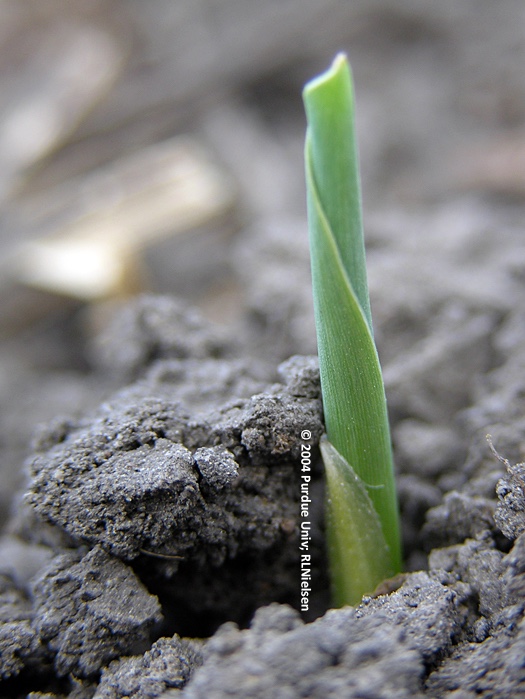
Successful stand establishment of a corn crop relies on many factors, including the successful emergence of the seedlings in the first place. Seedling emergence occurs as a result of elongation of the mesocotyl that elevates the coleoptile or “spike” toward the soil surface.
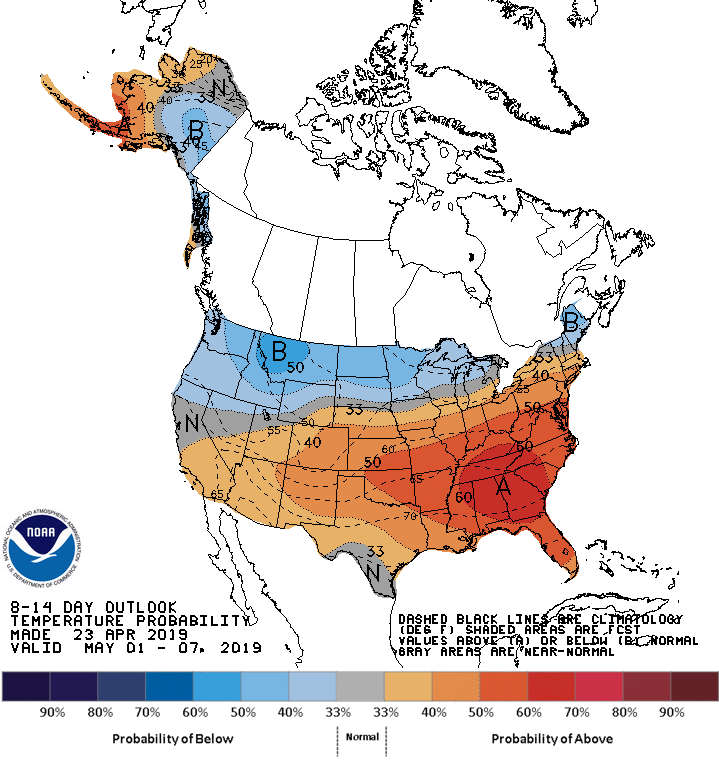
No reason exists to expect drought anytime soon in Indiana, with much of the state remaining rather wet after last weekend’s showers. One good new development exists.
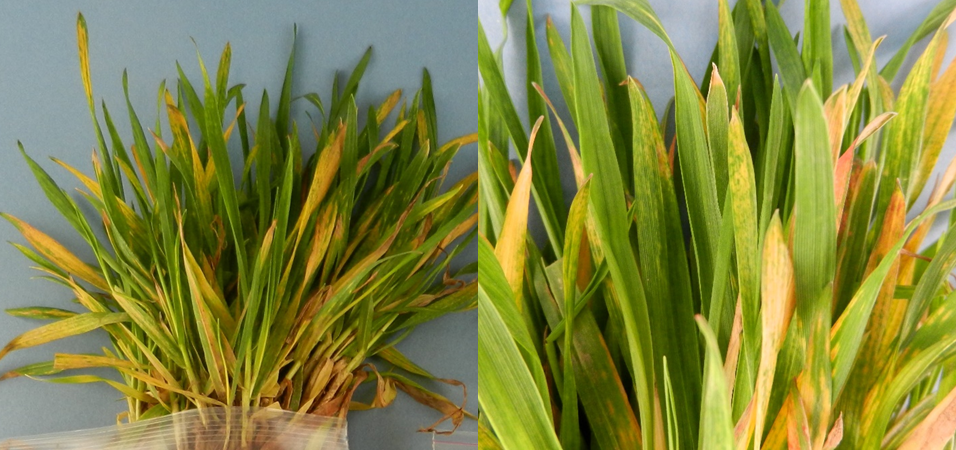
Wheat has greened-up and is actively growing across Indiana. Our southern field plots in Vincennes were at Feekes 8 (flag leaf emerged) earlier this week, while in West Lafayette plots are at Feekes 5 (leaf sheath strongly erect).
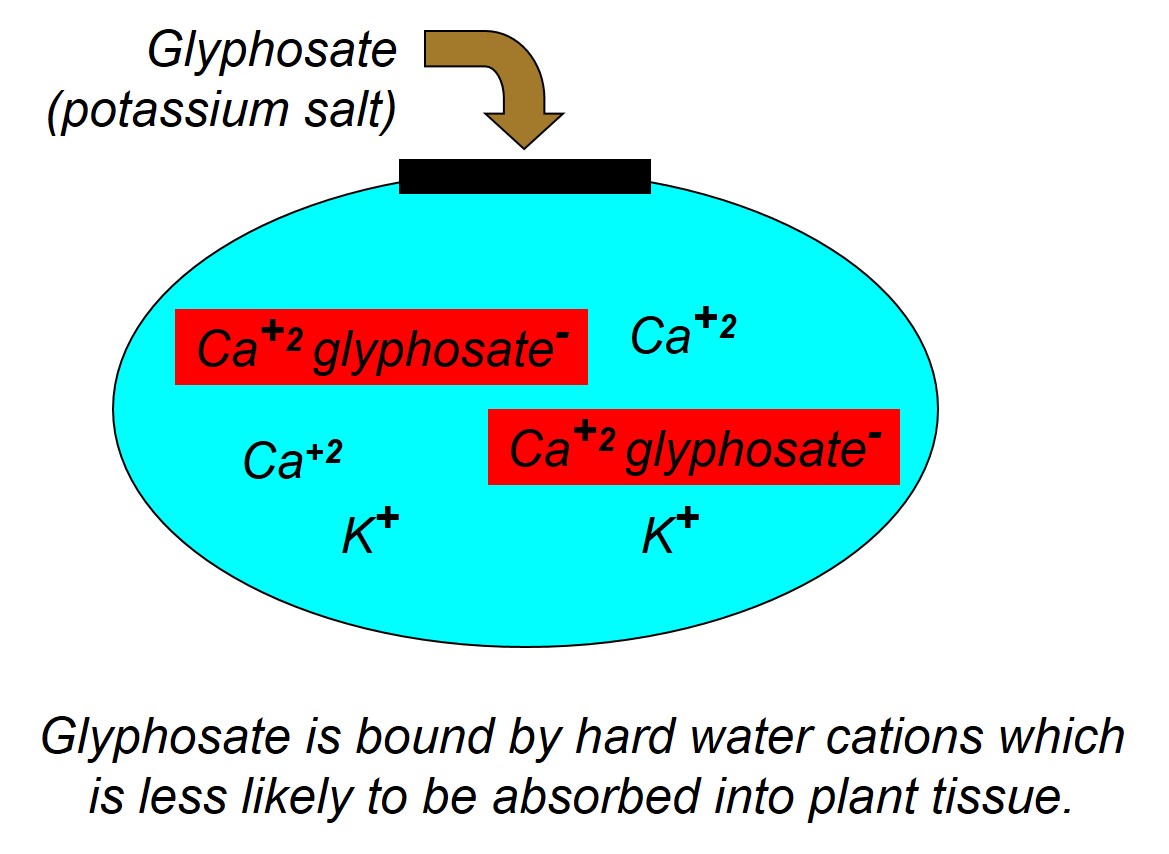
We have received a few questions this winter and spring about ammonium sulfate (AMS) rates to use with postemergence herbicides and how much is needed to overcome hard water issues.
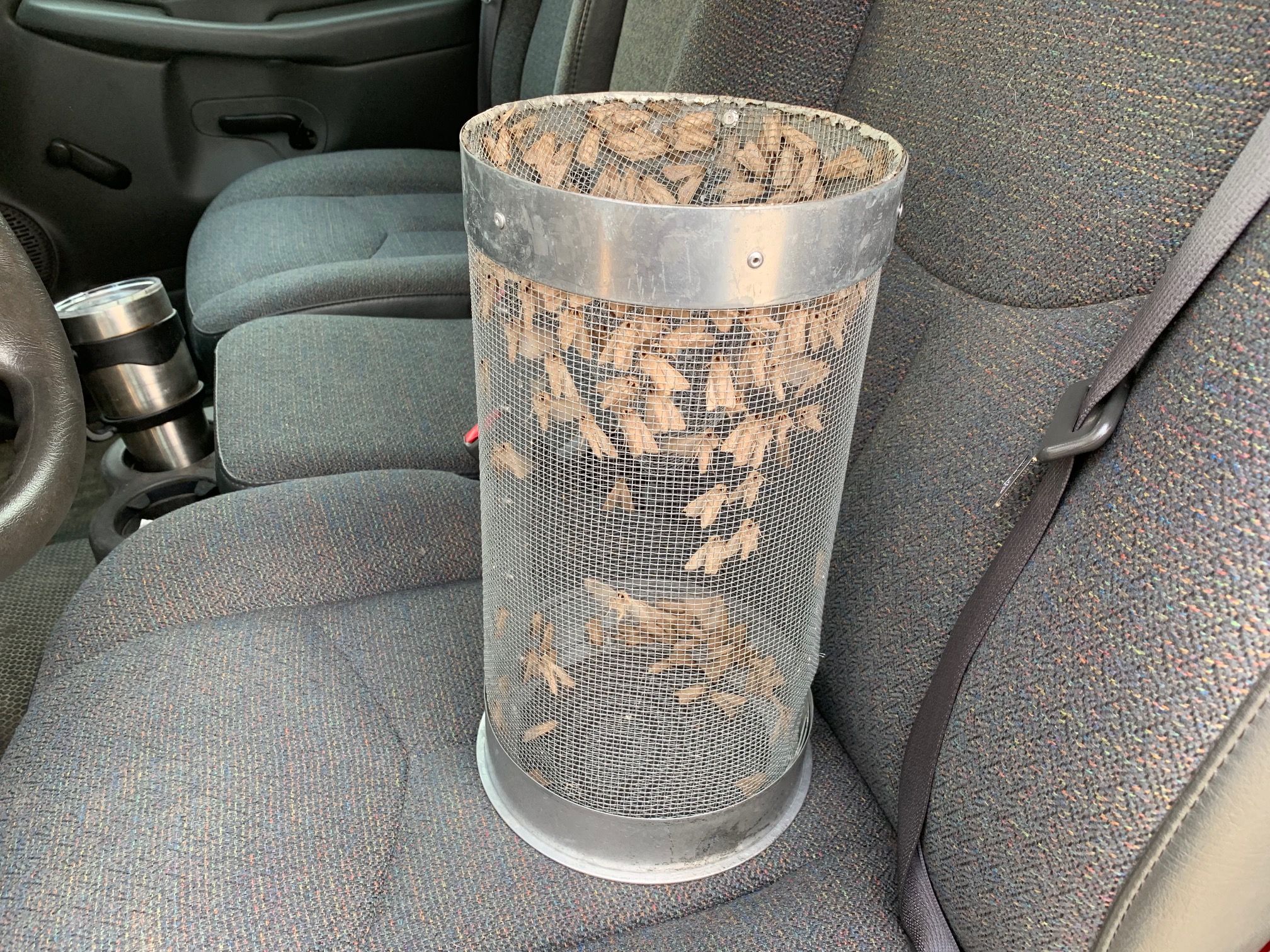
In looking over the black cutworm and armyworm pheromone reports, it is obvious that many moths have arrived into Indiana. This, coupled with a delayed planting season, increases the likelihood that high-risk fields may experience damage.
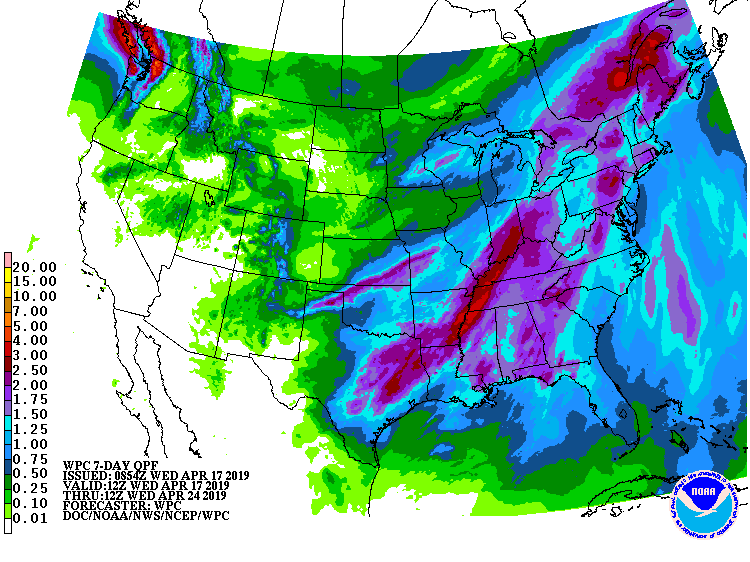
Indiana Climate and Weather Report – 4/17/2019
© 2026 Purdue University | An equal access/equal opportunity university | Copyright Complaints | Maintained by Pest&Crop newsletter
If you have trouble accessing this page because of a disability, please contact Pest&Crop newsletter at luck@purdue.edu.