The following is a link to a simple, short online survey.
The following is a link to a simple, short online survey.
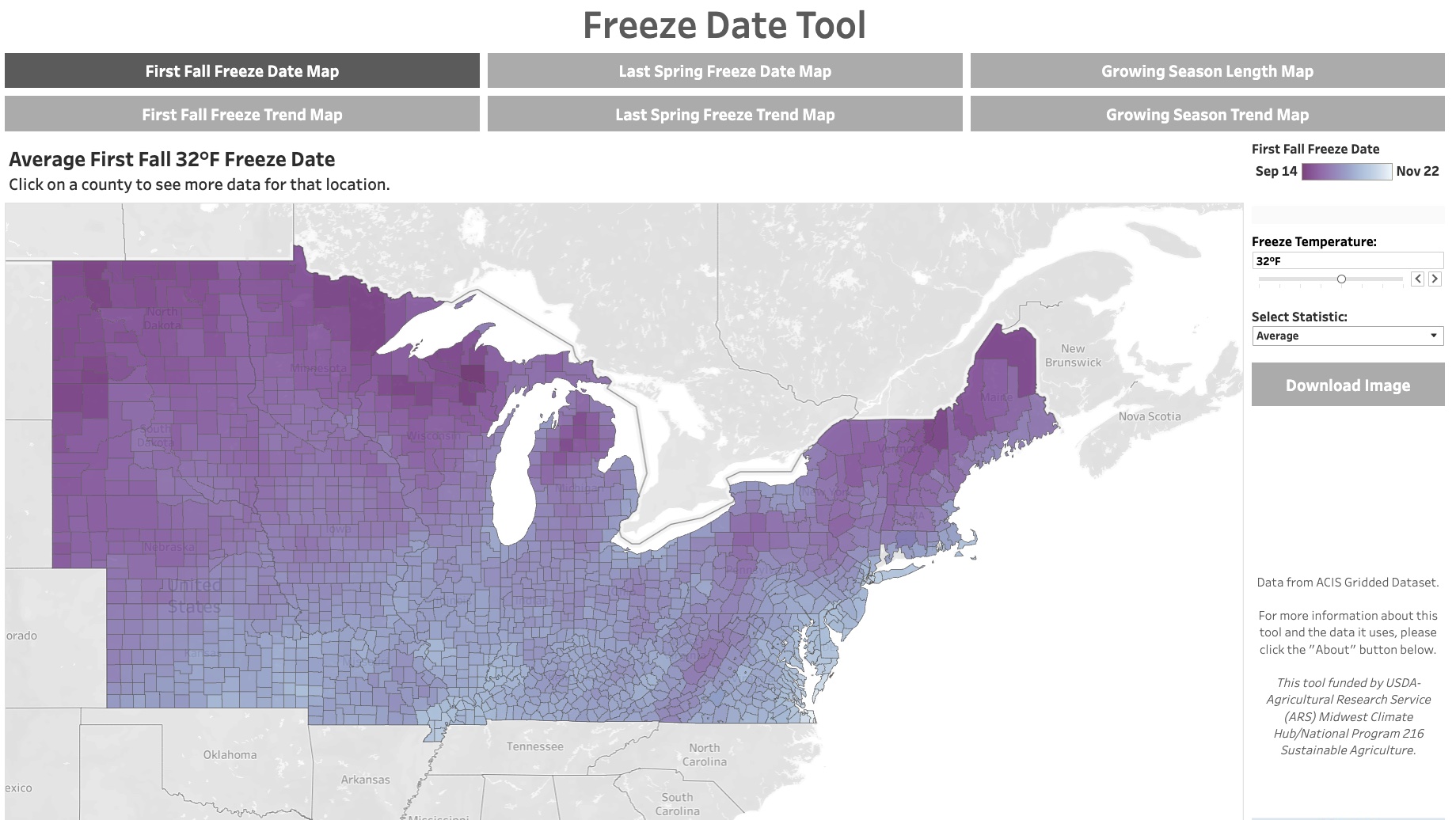
While our daytime highs across the state were in the upper 70s, our nighttime lows have been in the 30s (even into the upper 20s) in some places.
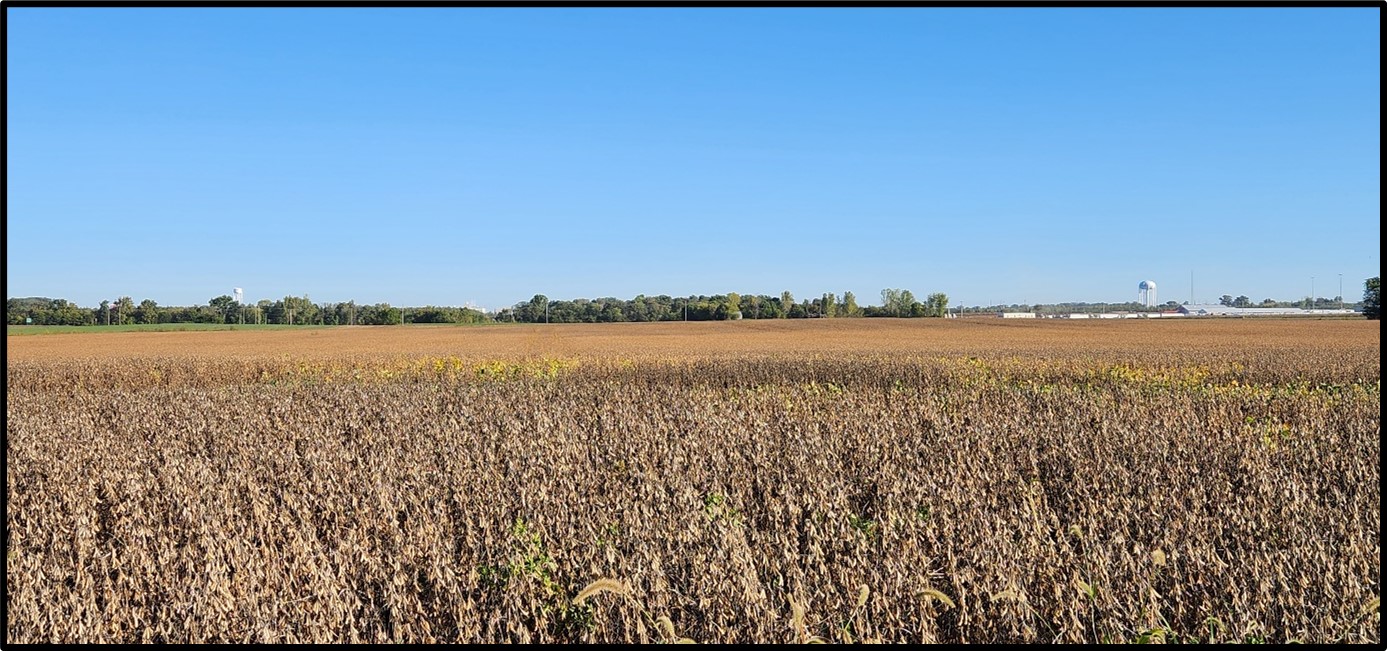
There have been many reports of black areas in soybean fields in Indiana this season.
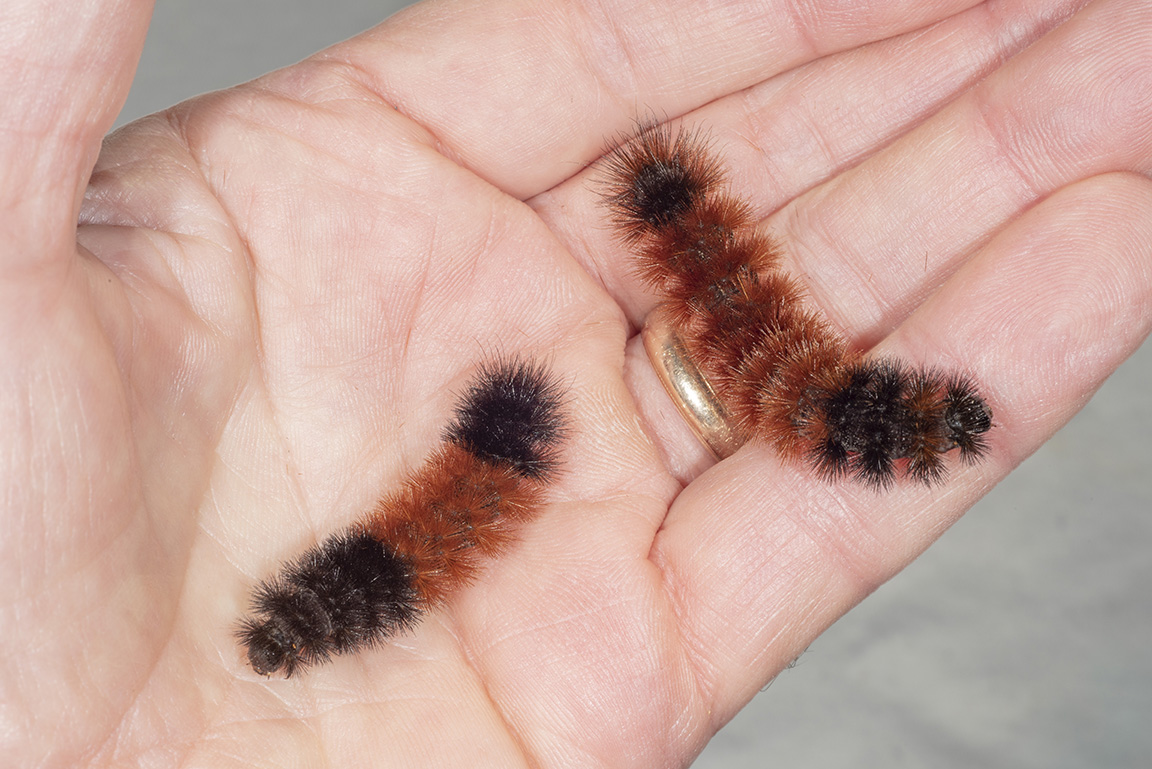
While traveling a local county road this week, I was amazed at the number of woolly bear caterpillars I came across.
The following is a link to a simple, short online survey.

While our entire state did not receive the amount of rain from the remnants of Hurricane Helene compared to other states, most of Indiana did receive at least an inch of precipitation over the past few weeks with some southern counties receiving over five inches (Figure 1).
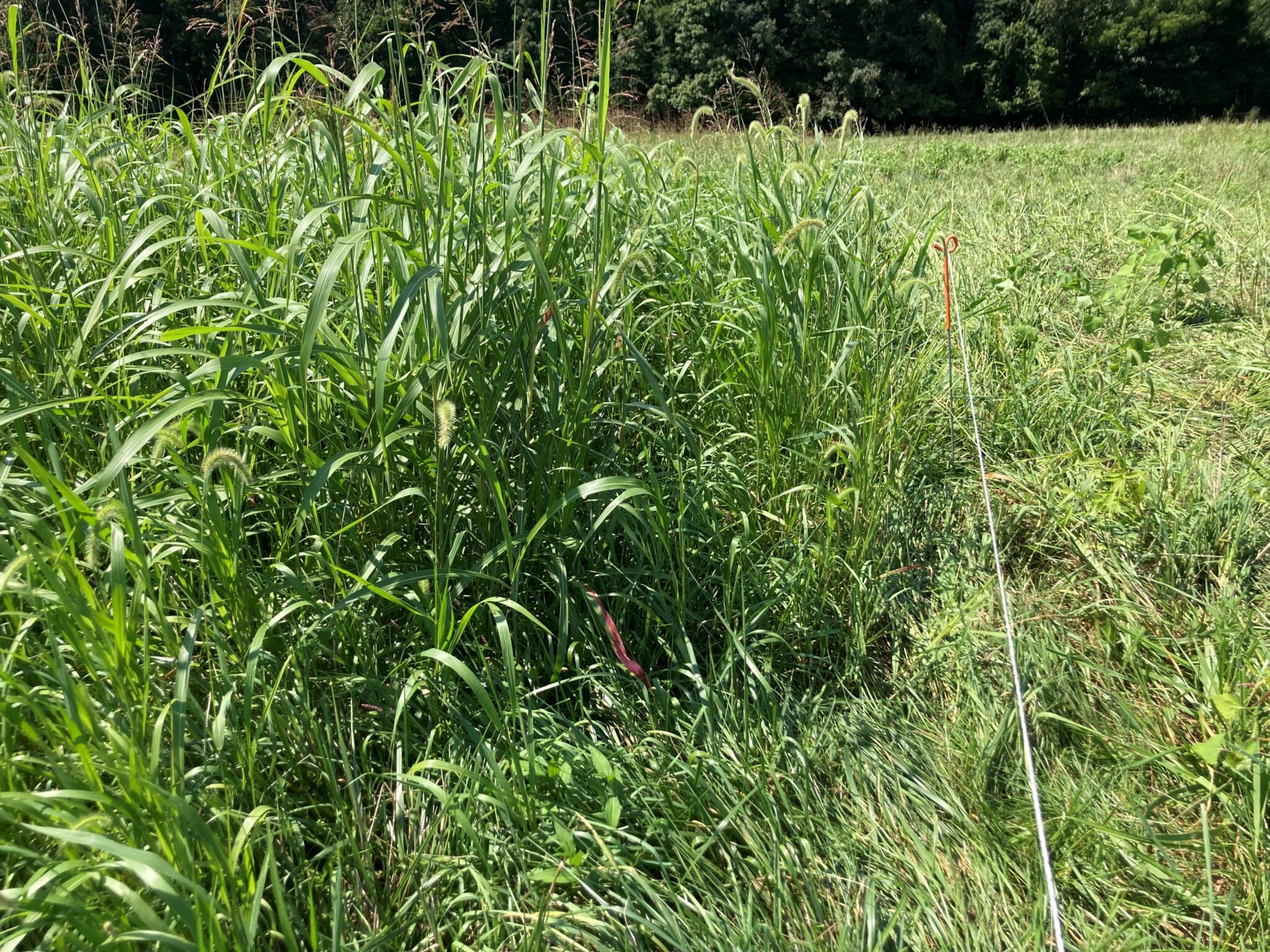
Fall and cooler temperatures have arrived. Soon after that, a frost will occur.
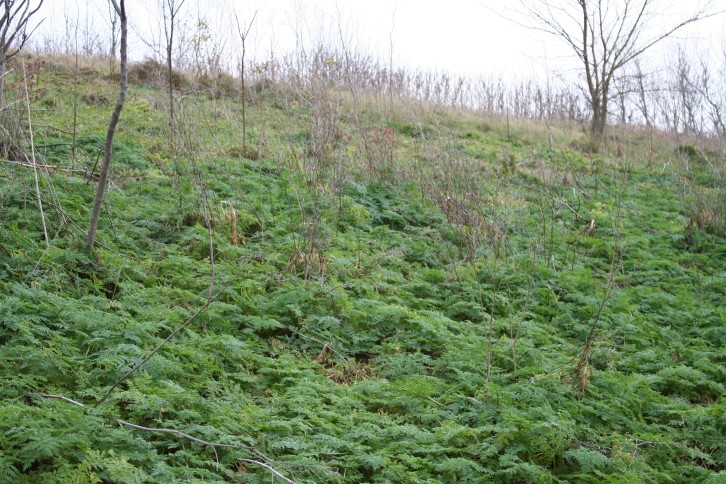
The presence of poison hemlock (Conium maculatum L.) in pastures, fencelines, and field edges (Figure 1) is a frequent concern in many parts of Indiana.
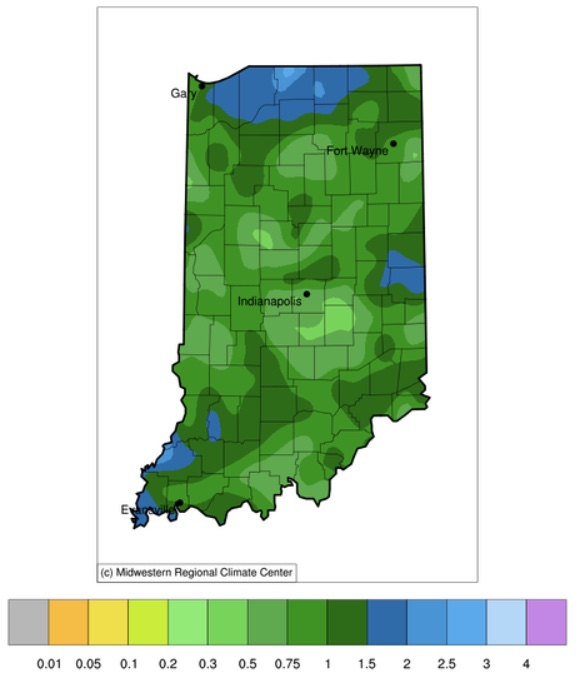
From September 19th through 25th, Indiana was fortunate to receive between a quarter inch to almost three inches of precipitation (Figure 1).
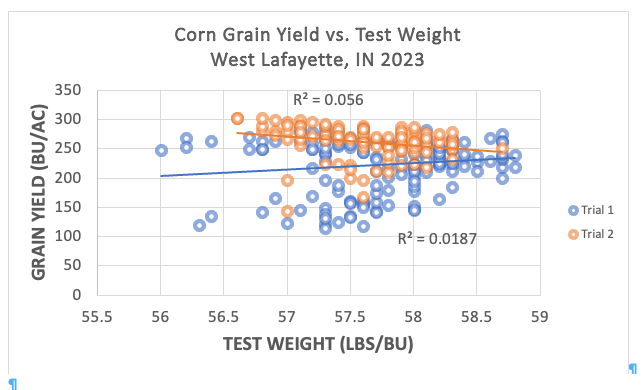
Although yield is always at the forefront of many corn farmers and agronomists’ minds during harvest, another important discussion topic each fall is that of grain test weight.
© 2026 Purdue University | An equal access/equal opportunity university | Copyright Complaints | Maintained by Pest&Crop newsletter
If you have trouble accessing this page because of a disability, please contact Pest&Crop newsletter at luck@purdue.edu.