Weeds pose a significant challenge for hemp growers. In addition to competing for water, sunlight, and nutrients, weeds also contaminant yield.
Weeds pose a significant challenge for hemp growers. In addition to competing for water, sunlight, and nutrients, weeds also contaminant yield.
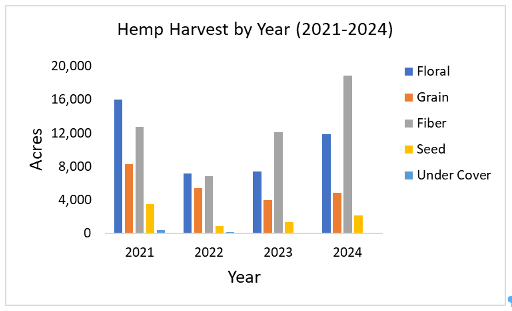
Hemp production in the United States has experienced significant fluctuations since the passage of the 2018 Farm Bill, which removed hemp from the controlled substance list and established a national regulatory framework.
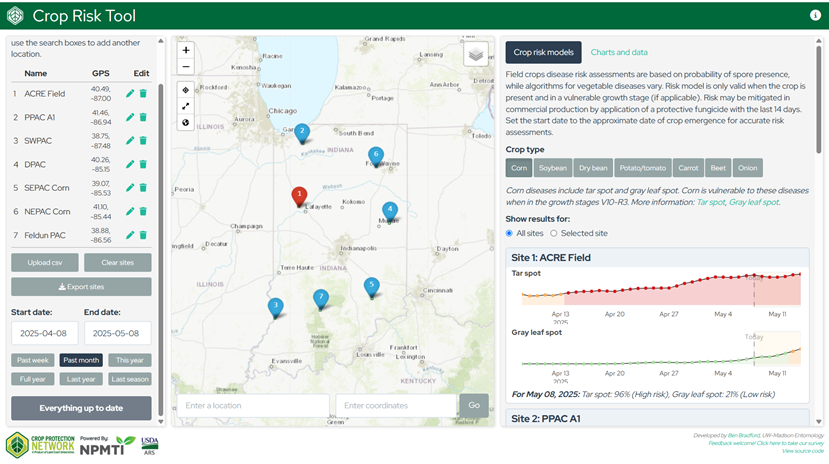
I am excited this season to be able to share three new tools from the Crop Protection Network.
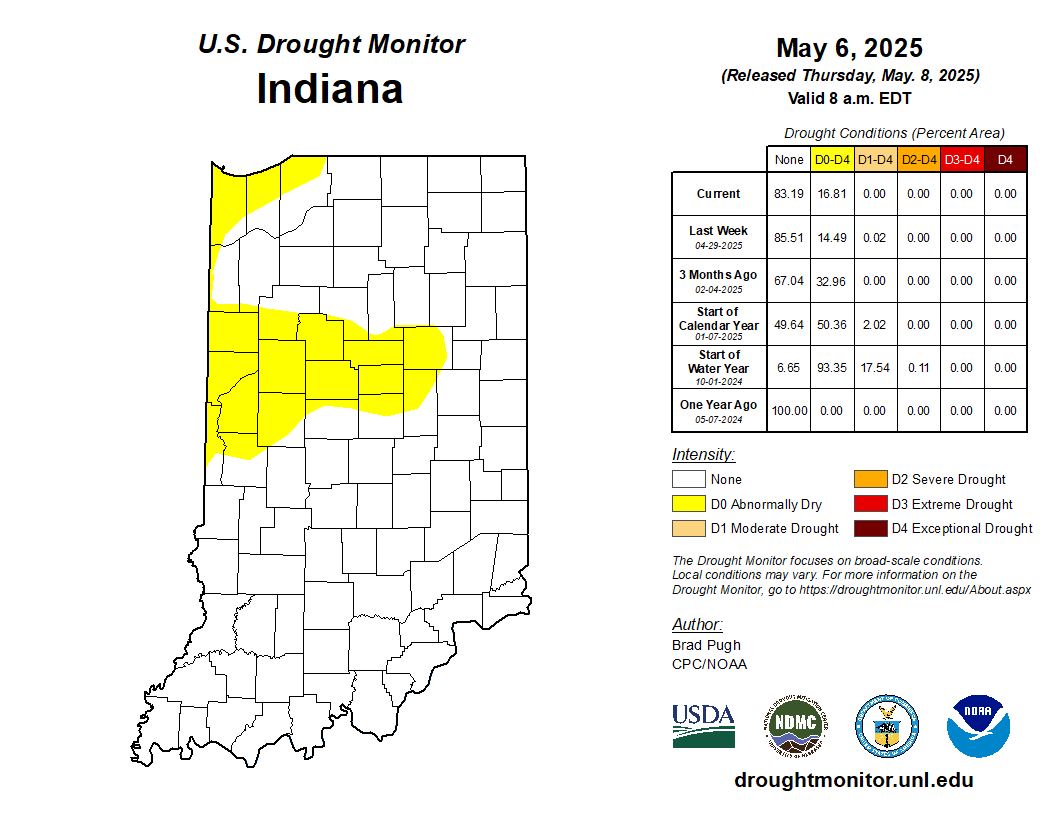
Southern Indiana took the lion’s share of precipitation in April with some locations getting over twice the amount of rain than normal for that month.
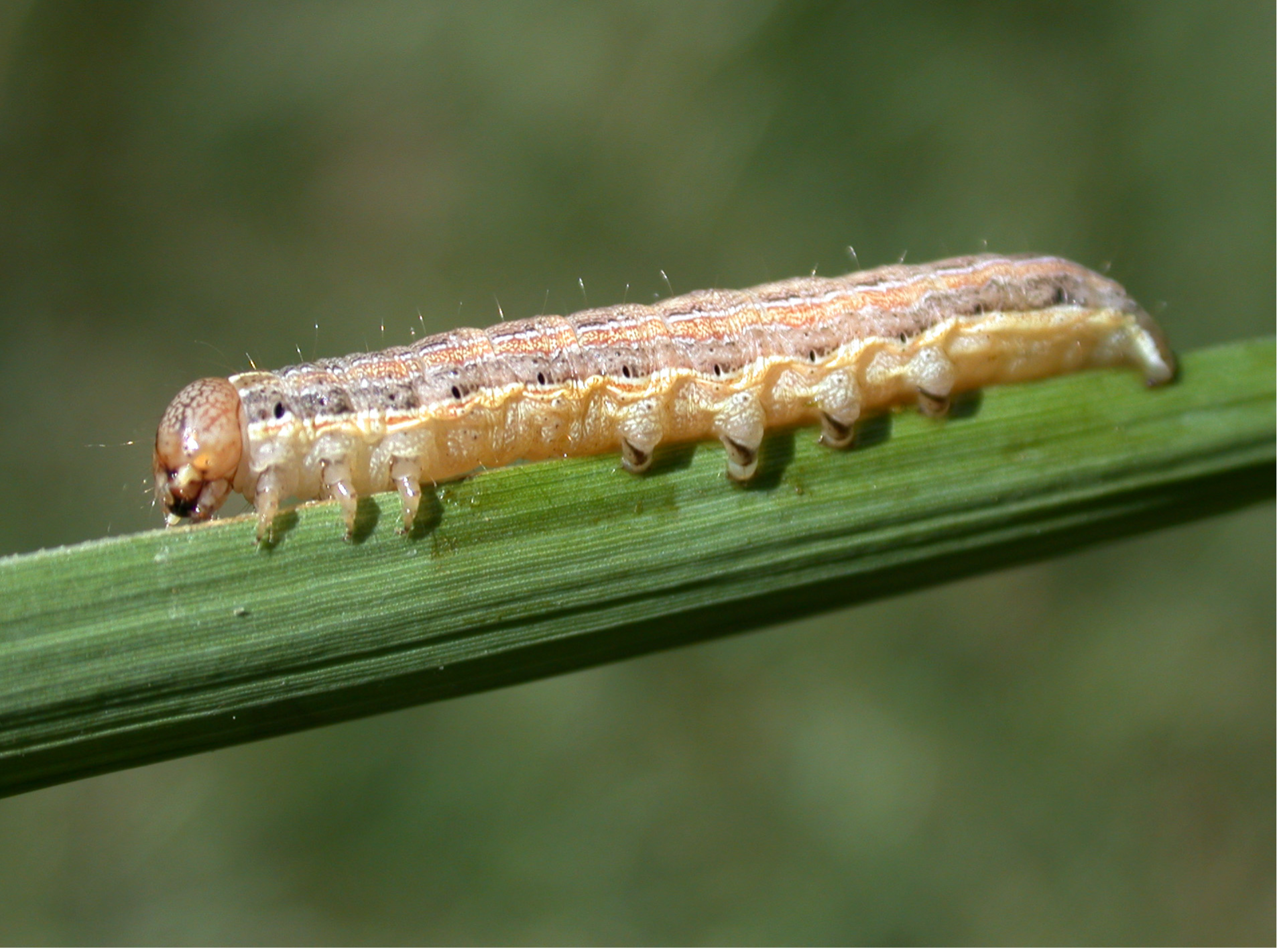
Every spring, black cutworm moths and armyworms invade our state.
As many regular readers know, our longtime IPM Specialist, John Obermeyer, retired last week after over 30 years of dedicated service.
Increasing interest in practices like cover cropping and soil health includes challenges across a range of agronomic factors, including pest management.
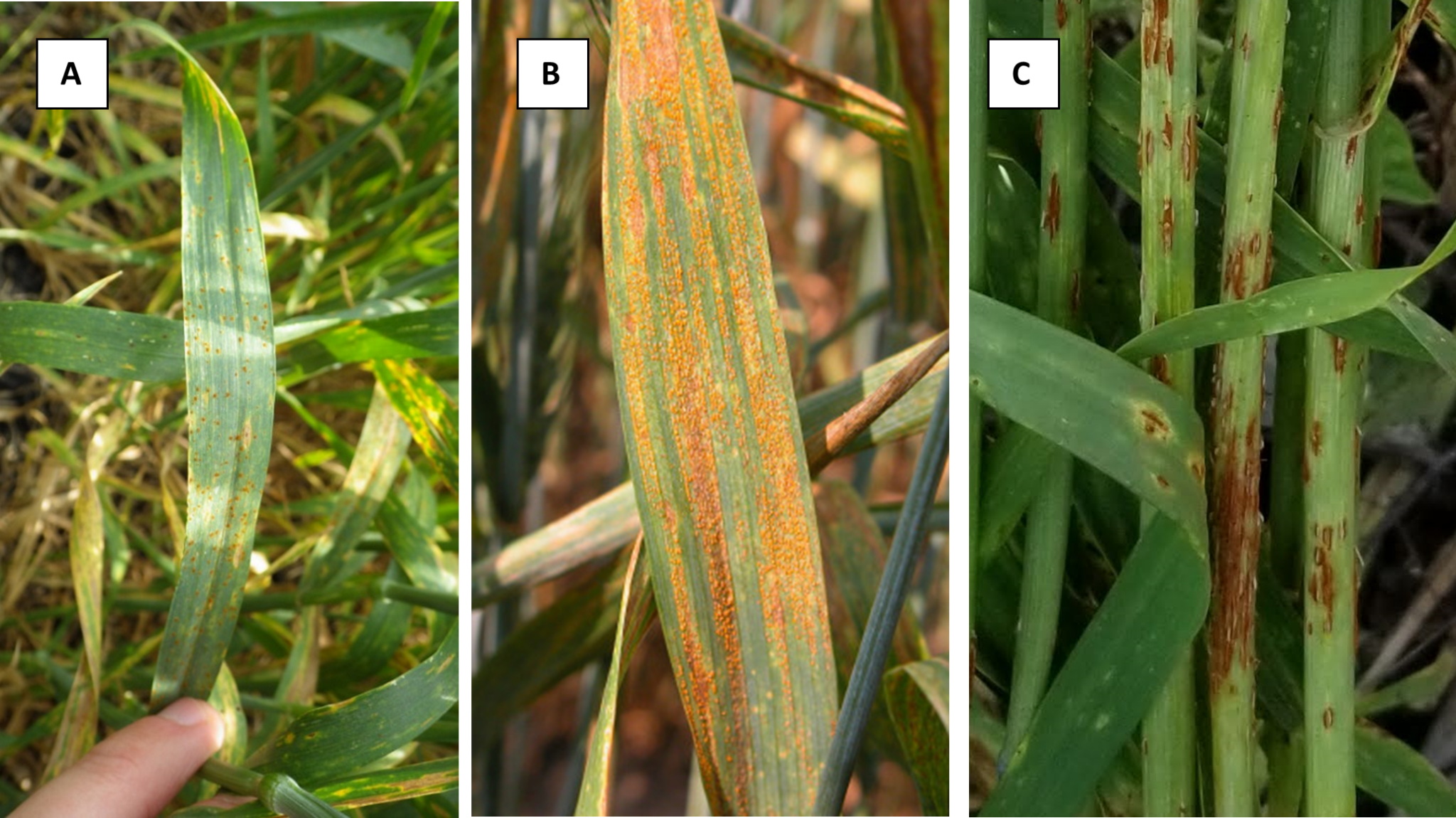
It is time to keep an eye on wheat for diseases and scab risk. There are a number of foliar diseases in wheat to watch out for.
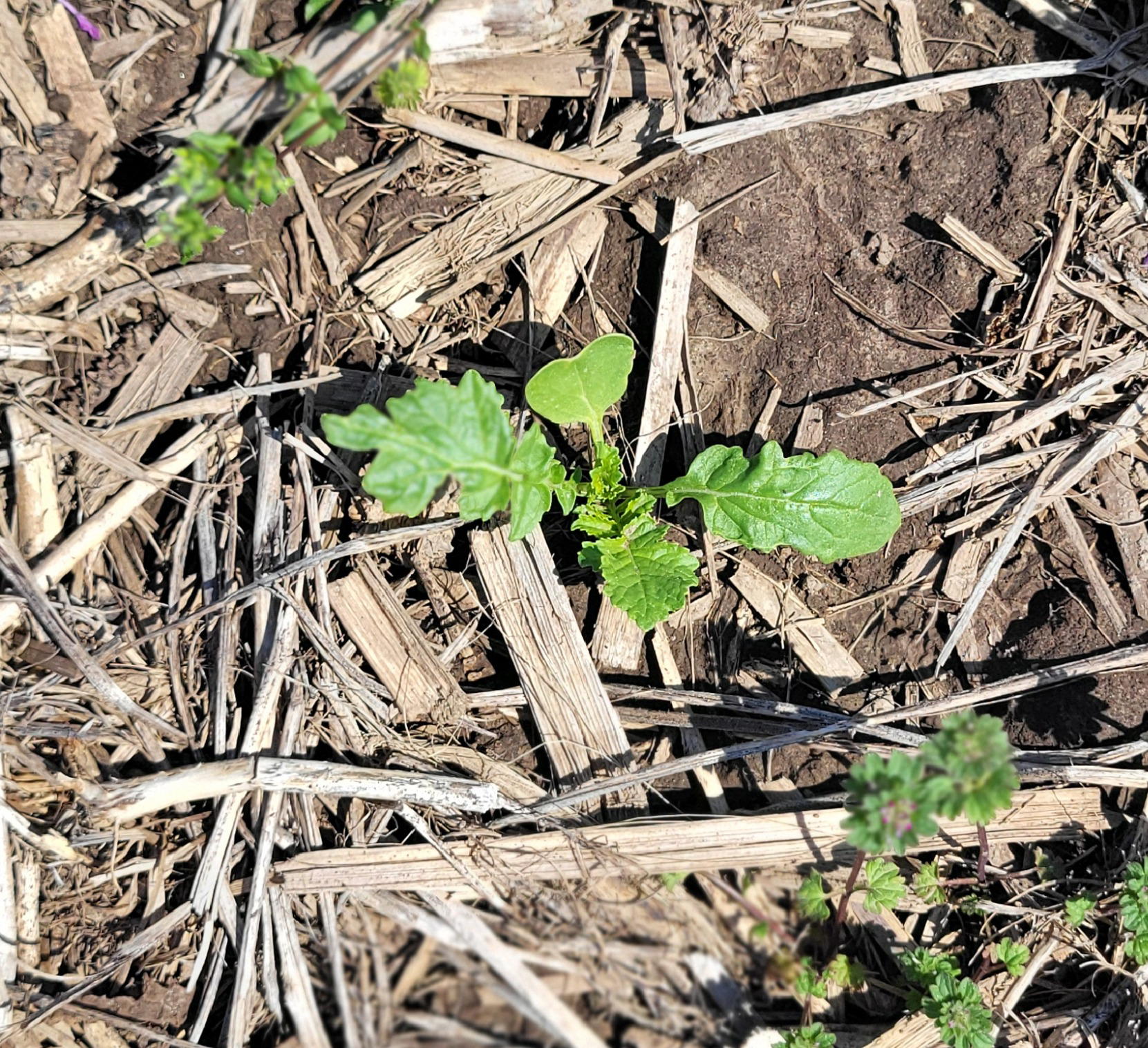
This past fall was a challenge to get cover crops established in many areas of the state due to the dry conditions we had last fall.
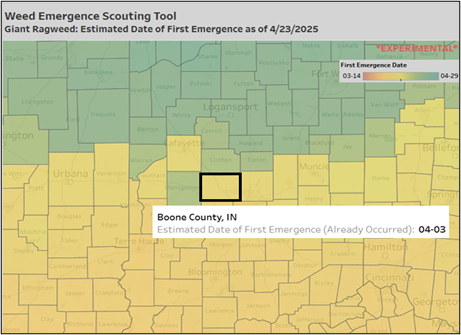
Midwestern farmers have faced a buildup of pesticide resistance in pigweeds (waterhemp and Palmer amaranth), highlighting the importance of scouting to detect weeds early in their growth stages.
© 2026 Purdue University | An equal access/equal opportunity university | Copyright Complaints | Maintained by Pest&Crop newsletter
If you have trouble accessing this page because of a disability, please contact Pest&Crop newsletter at luck@purdue.edu.