

Emmanuel Cooper

5 articles by this author

Article List
thumbnail image

Agriculture is rapidly changing as new technologies, Artificial Intelligence (AI), remote sensing, automation, and data-driven decision tools become increasingly available to producers. While these technologies offer tremendous potential, many farmers are still asking important questions: How do these tools fit into my operation? What technologies deliver economic value in the field? And how can I separate promising innovations from marketing hype? The 2nd Symposium of Digital Agriculture (SyDAg 2026), themed “Growing with AI,” will bring together growers, extension specialists, researchers, industry leaders, and technology innovators to explore practical applications of digital agriculture and AI for modern farming. This event is designed for row-crop and livestock producers, agronomists, crop consultants, and anyone evaluating new farm technology for their operation. The symposium will be held on September 28, 2026, at Purdue University’s Beck Agricultural Center in West Lafayette. As we know that late September is a busy time in the field for[Read More…]
thumbnail image

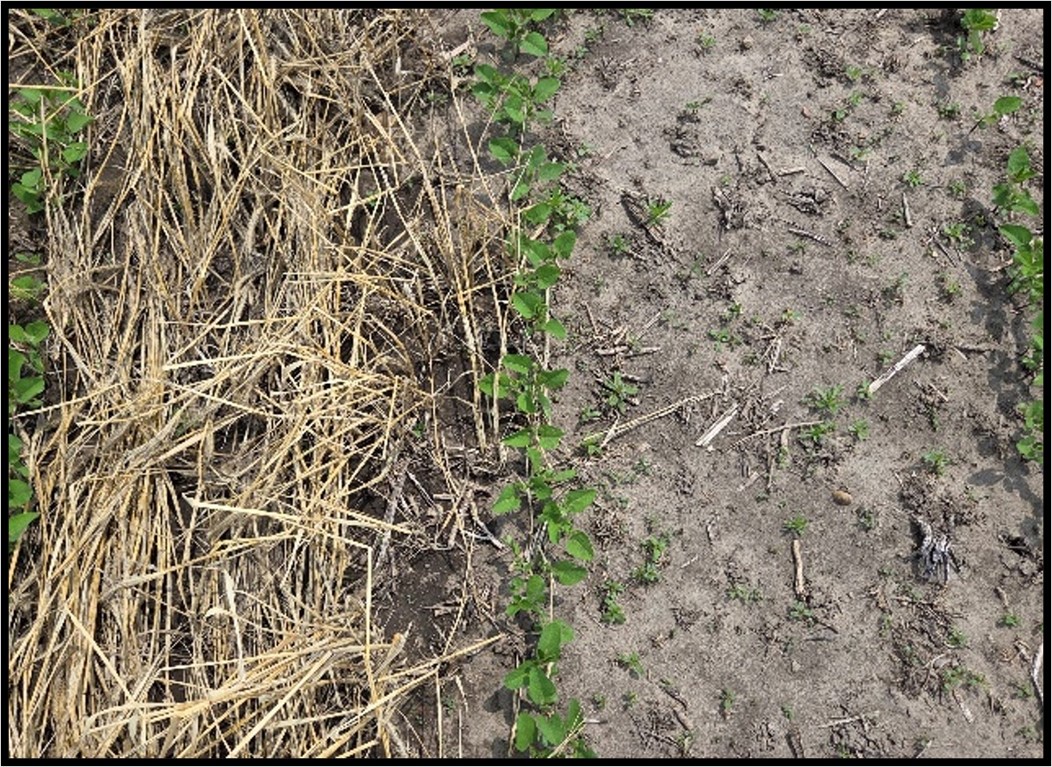
The increasing adoption of early-planted soybean in Indiana, and throughout the Corn Belt, prompts the question of whether herbicide programs should remain the same as those used for later planting dates.


thumbnail image

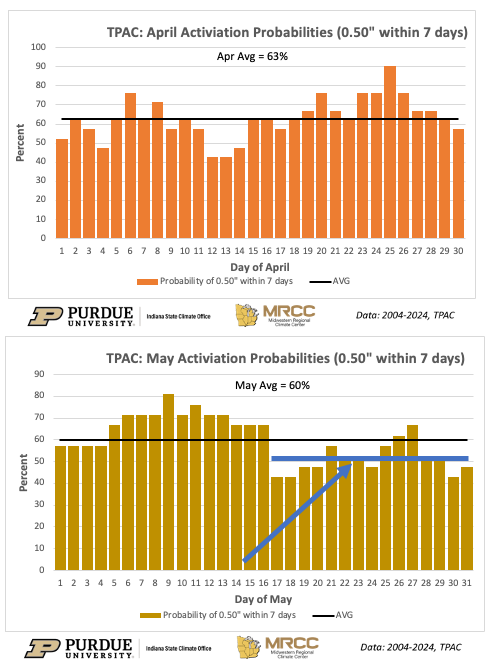
Planting season is getting fully underway across the state, and with that we should all be getting our residual herbicides applied. Residuals are critical to successful season-long weed control as we have less documented herbicide resistance to these chemistries compared to postemergence products, as well as generally we see more consistent control from these herbicides because we’re targeting weeds before they’re even out of the ground. However, for residual herbicides to be successful, they require precipitation to be activated. I frequently get asked how much rainfall is required to fully activate these herbicides, how long can the herbicide wait until we’d receive this rainfall, and if a shallow tillage event would help the situation. These answers can be highly variable across herbicides (Tables 1 and 2), as they are normally dependent on water solubility and soil adsorption of the active ingredients; however, there are some general estimates that can be[Read More…]