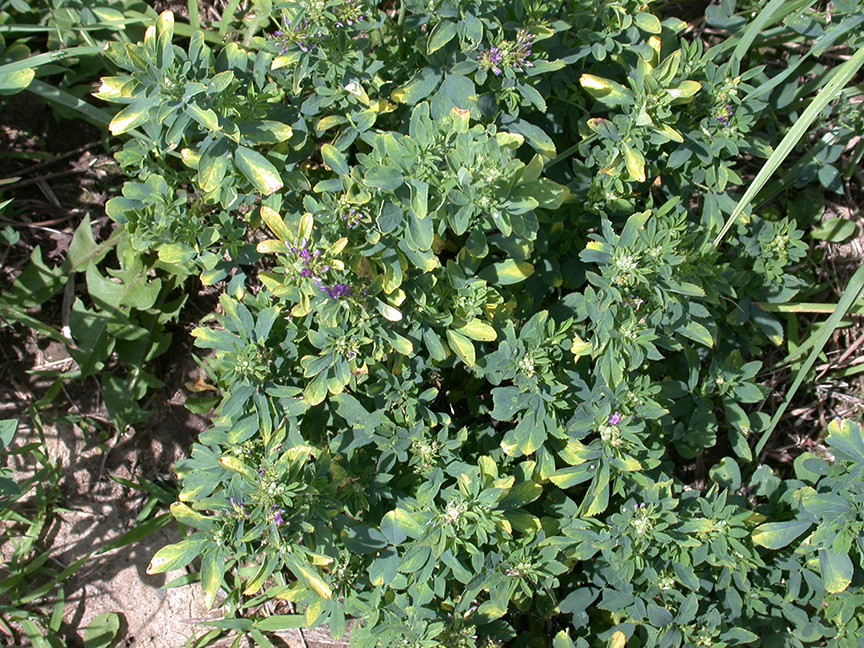
Potato leafhopper populations were noticeably higher after last week’s tropical storm remnants blew through, and now the warmer temperature will drive further increases.

Potato leafhopper populations were noticeably higher after last week’s tropical storm remnants blew through, and now the warmer temperature will drive further increases.
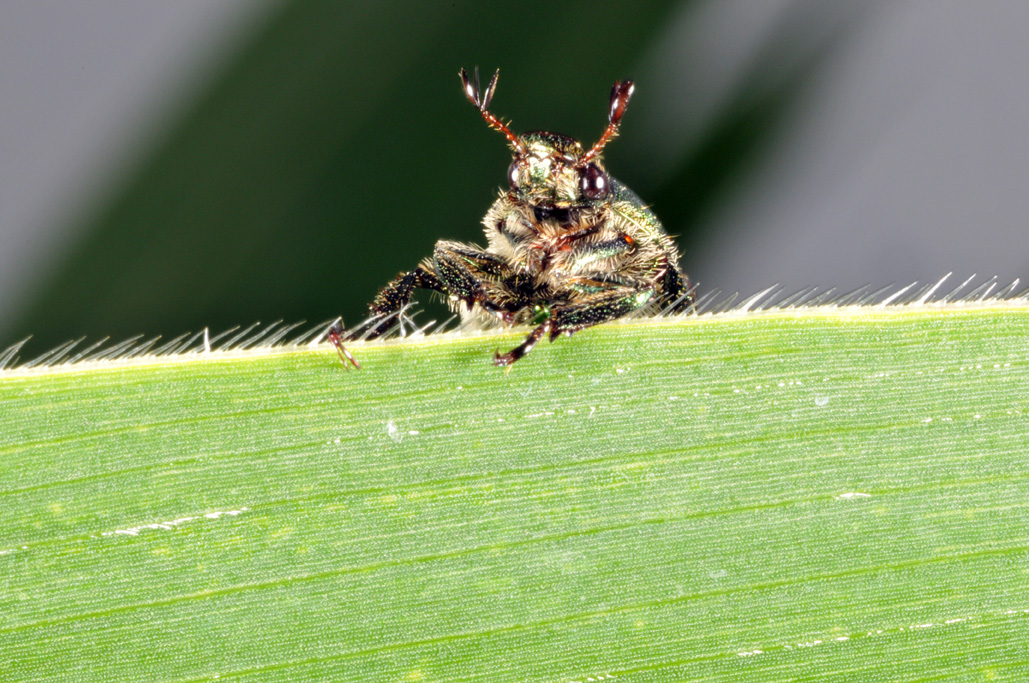
Pheromone traps placed on campus by Purdue’s Turfgrass Entomology & Applied Ecology program have detected emergence of Japanese beetle.
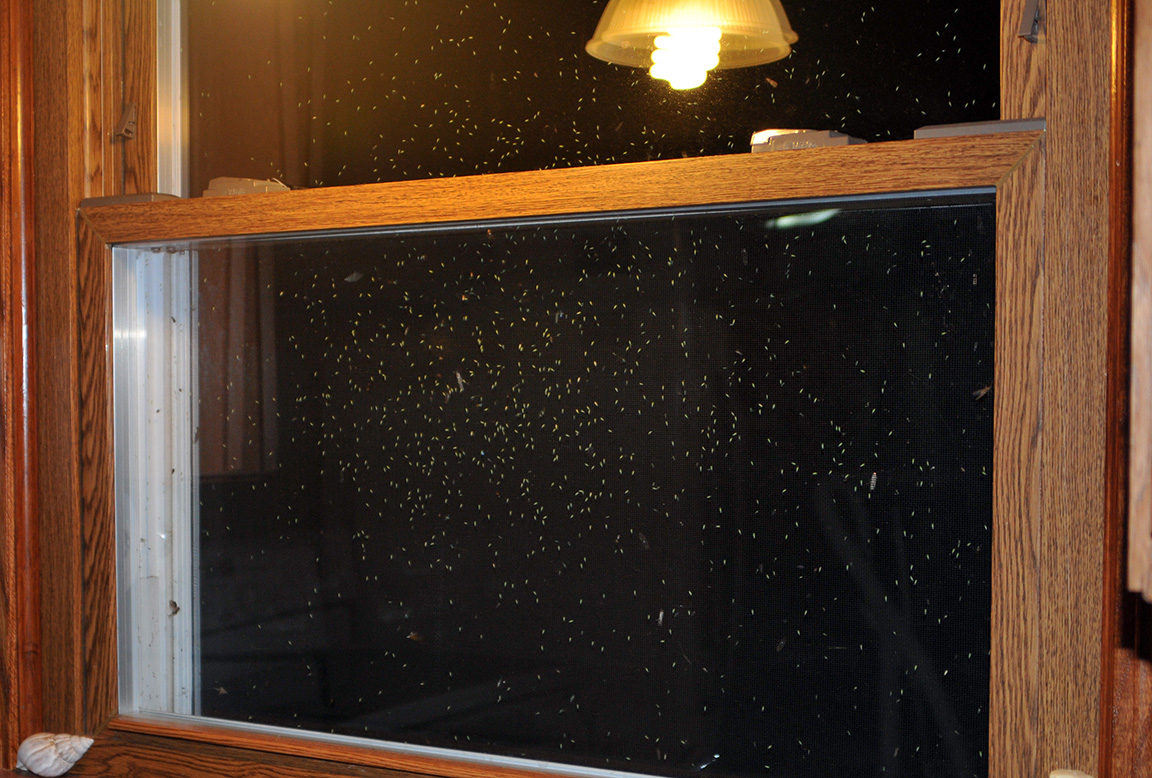
Weather systems originating in the south will often carry insects north with them.
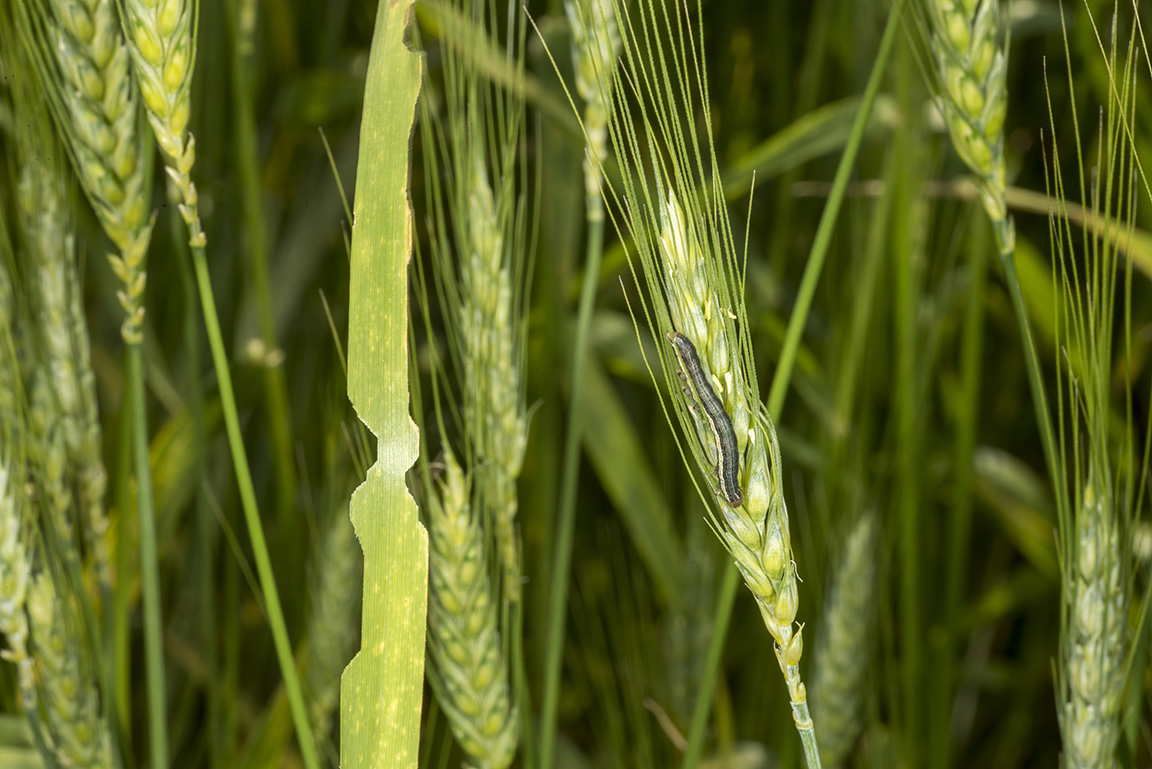
Armyworm moth captures have varied this spring, with some being quite impressive (see “Armyworm Pheromone Trap Report”).
Many species of cutworms feed on corn and soybean if it’s available.
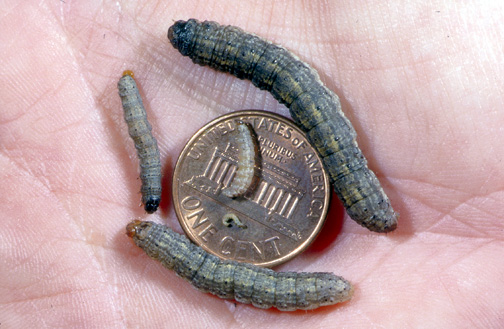
Black cutworm moth catches in many of our cooperator’s pheromone traps continue to be quite impressive (see “Black Cutworm Adult Pheromone Trap Report”).
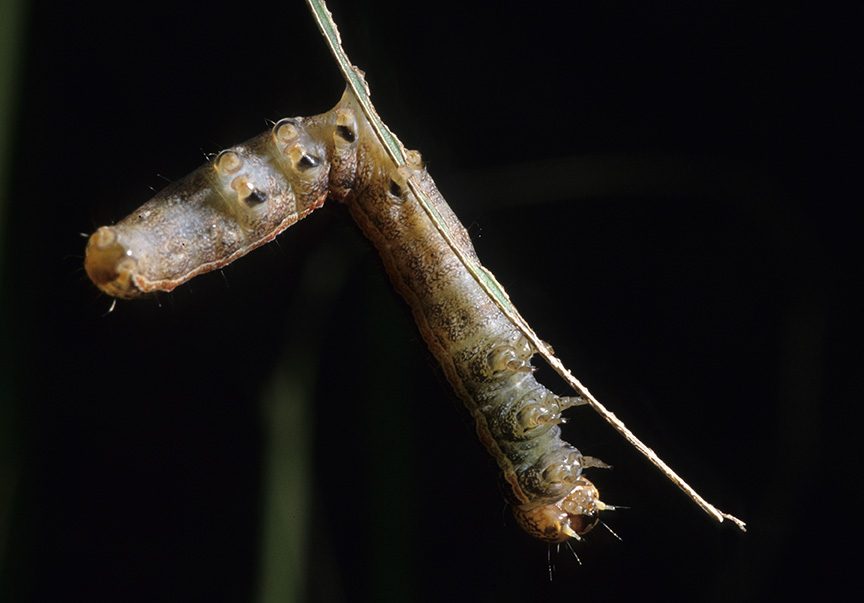
Many black cutworm trappers have captured large numbers of moths, see “Black Cutworm Pheromone Trap Report.” In trying to find levity during the Covid-19 pandemic, there have been various quips during their reports about this pest’s lack of adherence to our social distancing guidelines!
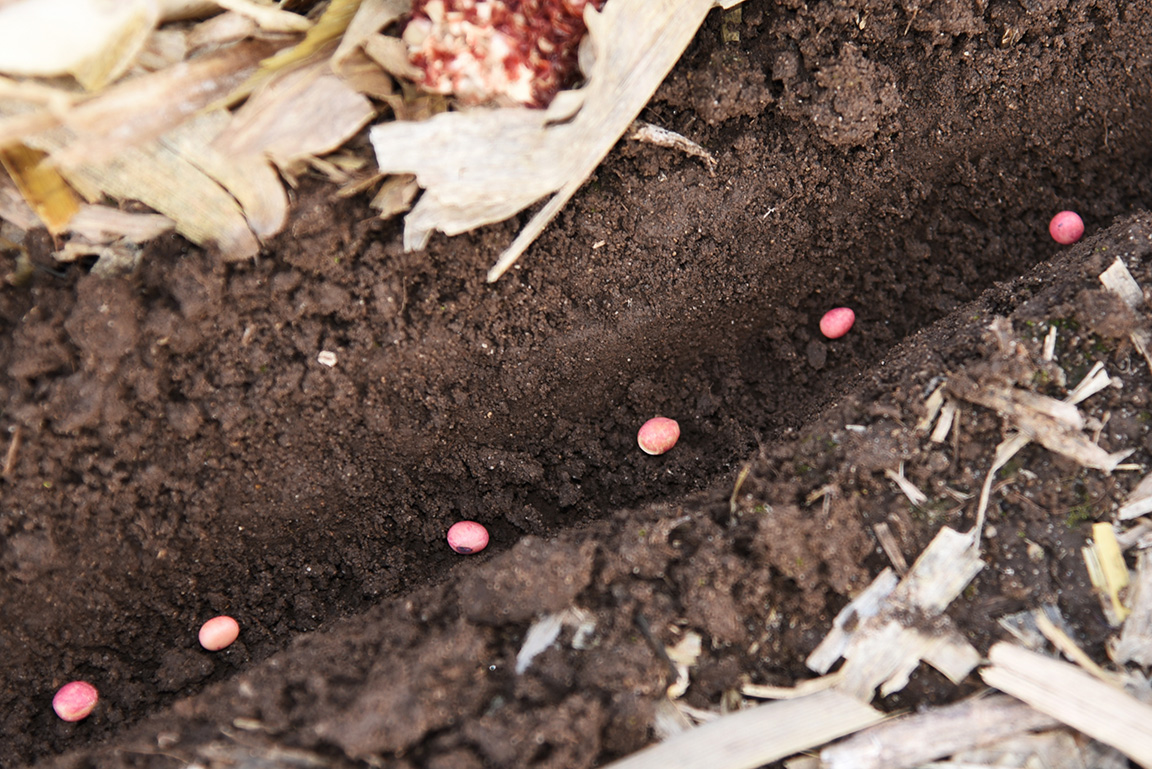
As we close out a difficult 2019 growing season, growers turn their attention to seed orders for 2020.
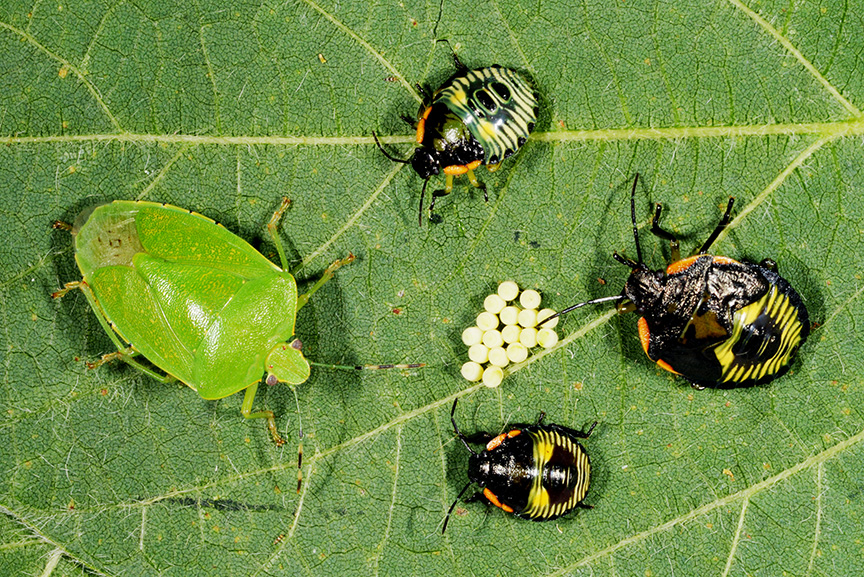
For the last couple of years, especially last season, there has been a noticeable population of green stink bug in some Indiana soybean fields.
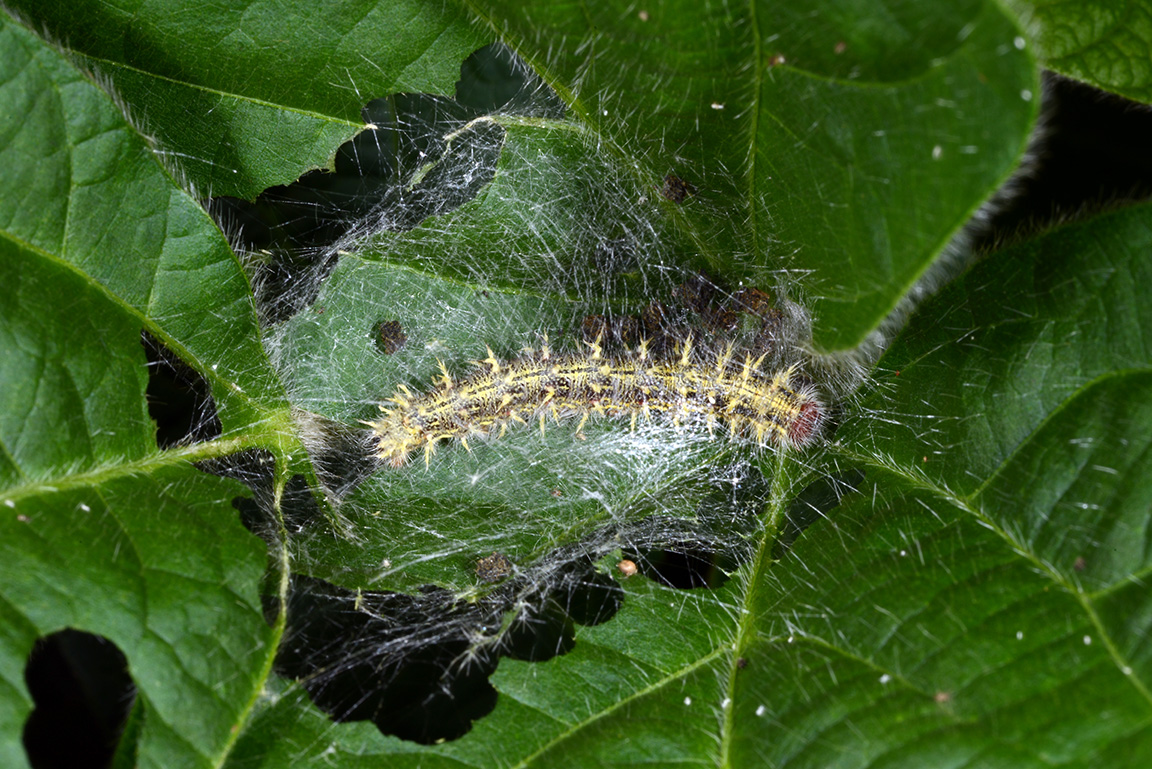
The painted lady butterfly, Vanessa cardui, is mostly orange mottled with black and white markings.
© 2026 Purdue University | An equal access/equal opportunity university | Copyright Complaints | Maintained by Pest&Crop newsletter
If you have trouble accessing this page because of a disability, please contact Pest&Crop newsletter at luck@purdue.edu.