Attendees will gain insights into the latest advancements in resilient agriculture, discover effective practices and learn how to implement these strategies into their own operations to improve environmental sustainability and farm productivity.

My name is Tommy Butts, and I am a relatively new Clinical Assistant Professor, Extension Weed Scientist here in Indiana with Purdue University.

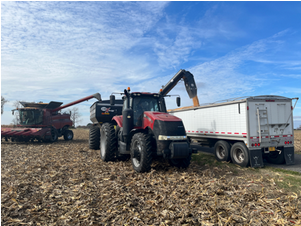
Corn is often harvested at grain moisture contents higher than the 15% moisture typically desired by grain buyers.

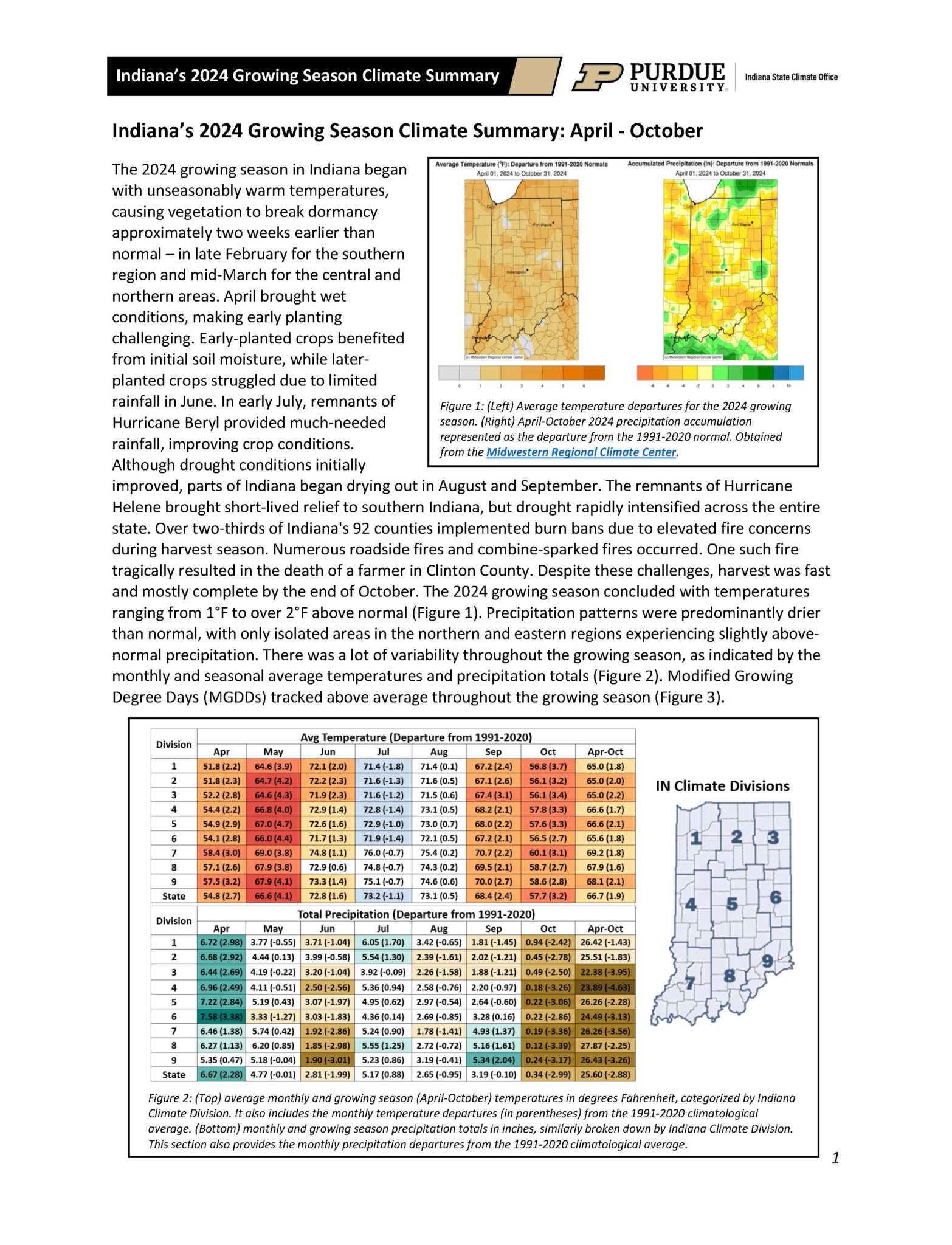
The 2024 growing season in Indiana started with unseasonably warm temperatures, leading to early vegetation dormancy break—late February in the south and mid-March in the central and northern areas. April’s wet conditions posed challenges for early planting, but crops sown early benefited from good soil moisture, while later plantings suffered from limited rainfall in June. In early July, remnants of Hurricane Beryl provided much-needed rain, improving conditions briefly. However, drought re-emerged in August and September, with significant impacts across over two-thirds of counties, leading to burn bans and several fires, including a tragic incident resulting in a farmer’s death in Clinton County. Despite these difficulties, harvest was mostly complete by late October. The season ended with temperatures 1°F to over 2°F above normal and predominantly drier precipitation patterns, although some northern and eastern areas saw slightly above-normal rainfall. Variability in weather was evident in the monthly and seasonal averages, with[Read More…]
The following is a link to a simple, short online survey.

Purdue’s 2025 Crop Management Workshop In-Person & Virtual
The following is a link to a simple, short online survey.

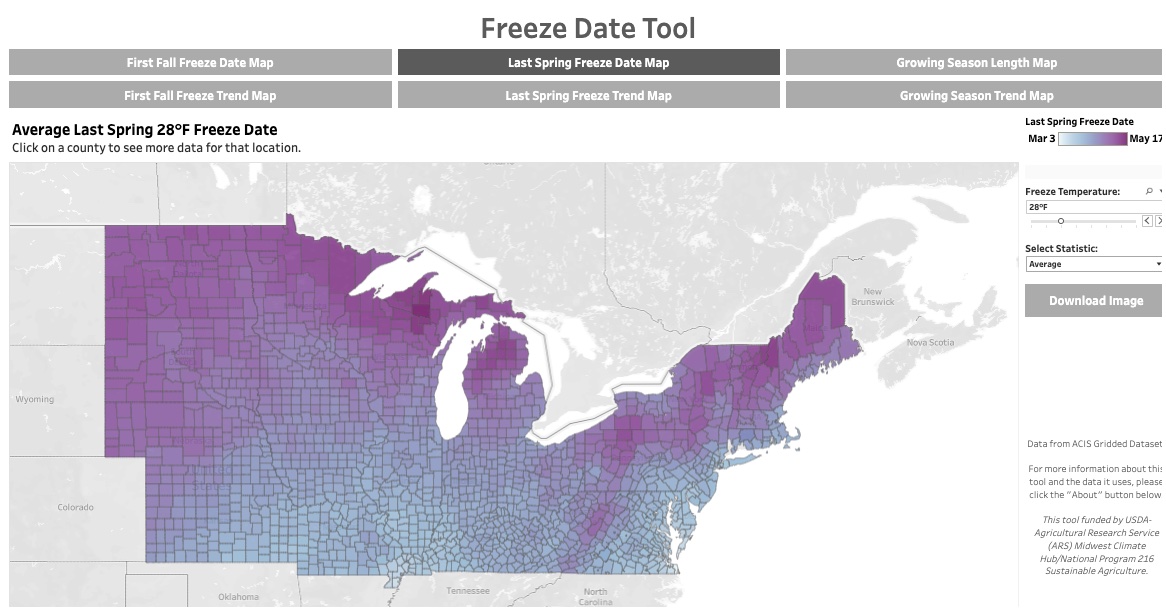
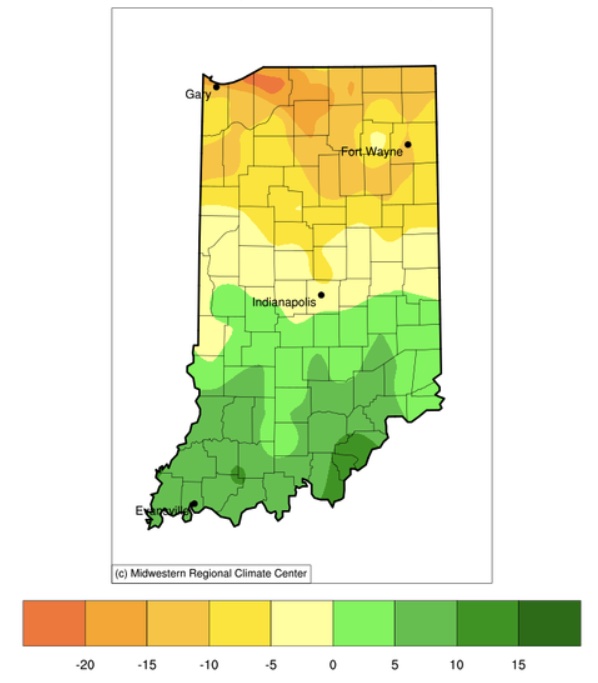
While our daytime highs across the state were in the upper 70s, our nighttime lows have been in the 30s (even into the upper 20s) in some places.

There have been many reports of black areas in soybean fields in Indiana this season.

While traveling a local county road this week, I was amazed at the number of woolly bear caterpillars I came across.
© 2026 Purdue University | An equal access/equal opportunity university | Copyright Complaints | Maintained by Pest&Crop newsletter
If you have trouble accessing this page because of a disability, please contact Pest&Crop newsletter at luck@purdue.edu.