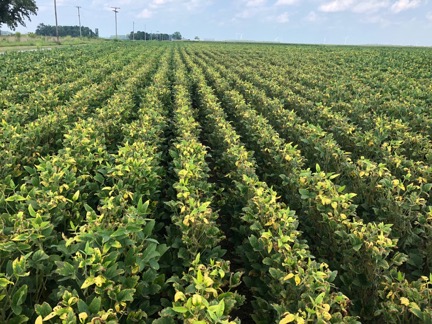
Soybeans in Indiana often show potassium (K) deficiency symptoms during seed fill – leaf margin chlorosis to necrosis.

Soybeans in Indiana often show potassium (K) deficiency symptoms during seed fill – leaf margin chlorosis to necrosis.
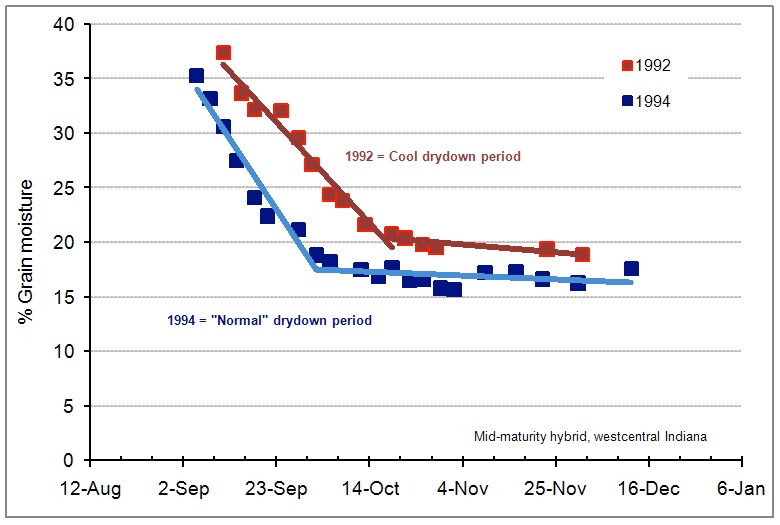
Corn is often harvested at grain moisture contents higher than the 15% moisture typically desired by grain buyers.

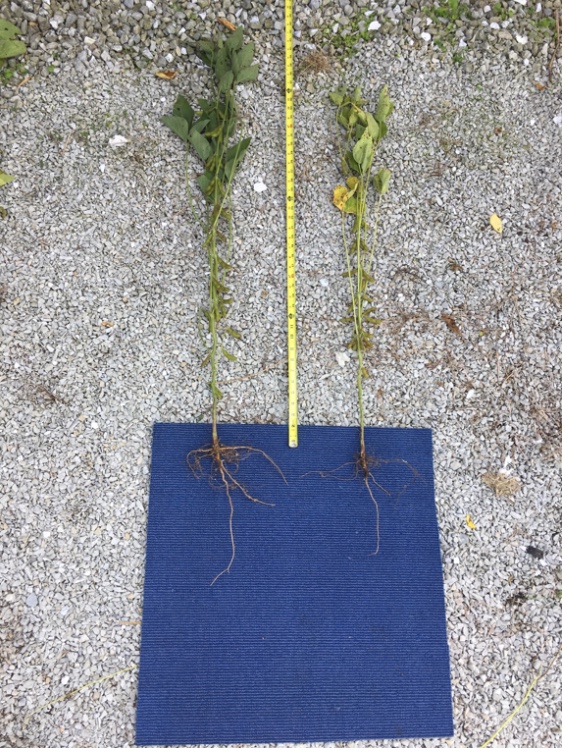
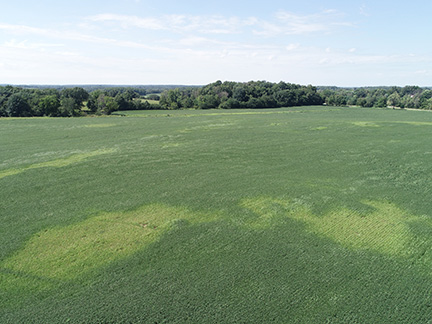
Highlighter green soybeans (N-deficient) are related to the root system, number of nodules, and nodule activity (i.e., evidence of N fixation).

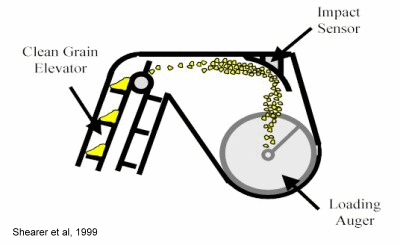
Understand this one simple fact about grain yield monitors: They do not measure grain yield.

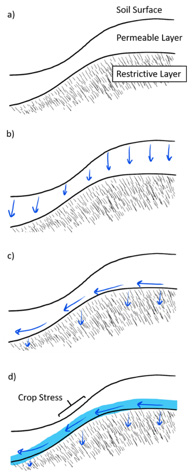
Seeps most often occur where a permeable soil layer is found above a restrictive or less permeable layer.

Unfortunately, many soybeans across the state have been coming up short on N over the past several weeks.

Periods of severe stress can do all sorts of strange things to crops. One oddity that has been reported by a number of folks this year is often described as “ears outgrowing their husks.”

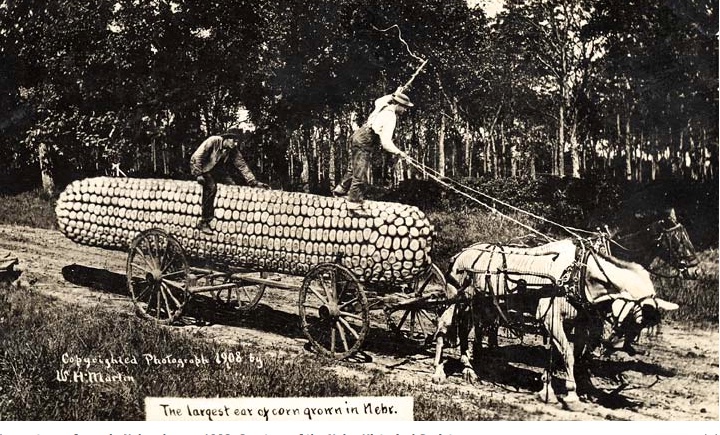
Fancy colored yield maps are fine for verifying grain yields at the end of the harvest season, but bragging rights for the highest corn yields are established earlier than that down at the Main Street Cafe, on the corner of 5th and Earl.

Yield potential in corn is influenced at several stages of growth and development

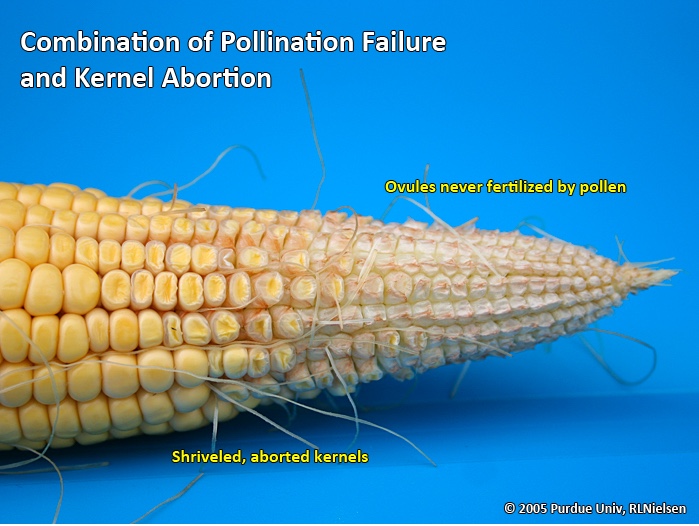
The post-pollination scuttlebutt overheard in coffee shops throughout Indiana during late summer often revolves around the potential for severe stress that might reduce kernel set or kernel size in neighborhood cornfields.
© 2026 Purdue University | An equal access/equal opportunity university | Copyright Complaints | Maintained by Pest&Crop newsletter
If you have trouble accessing this page because of a disability, please contact Pest&Crop newsletter at luck@purdue.edu.