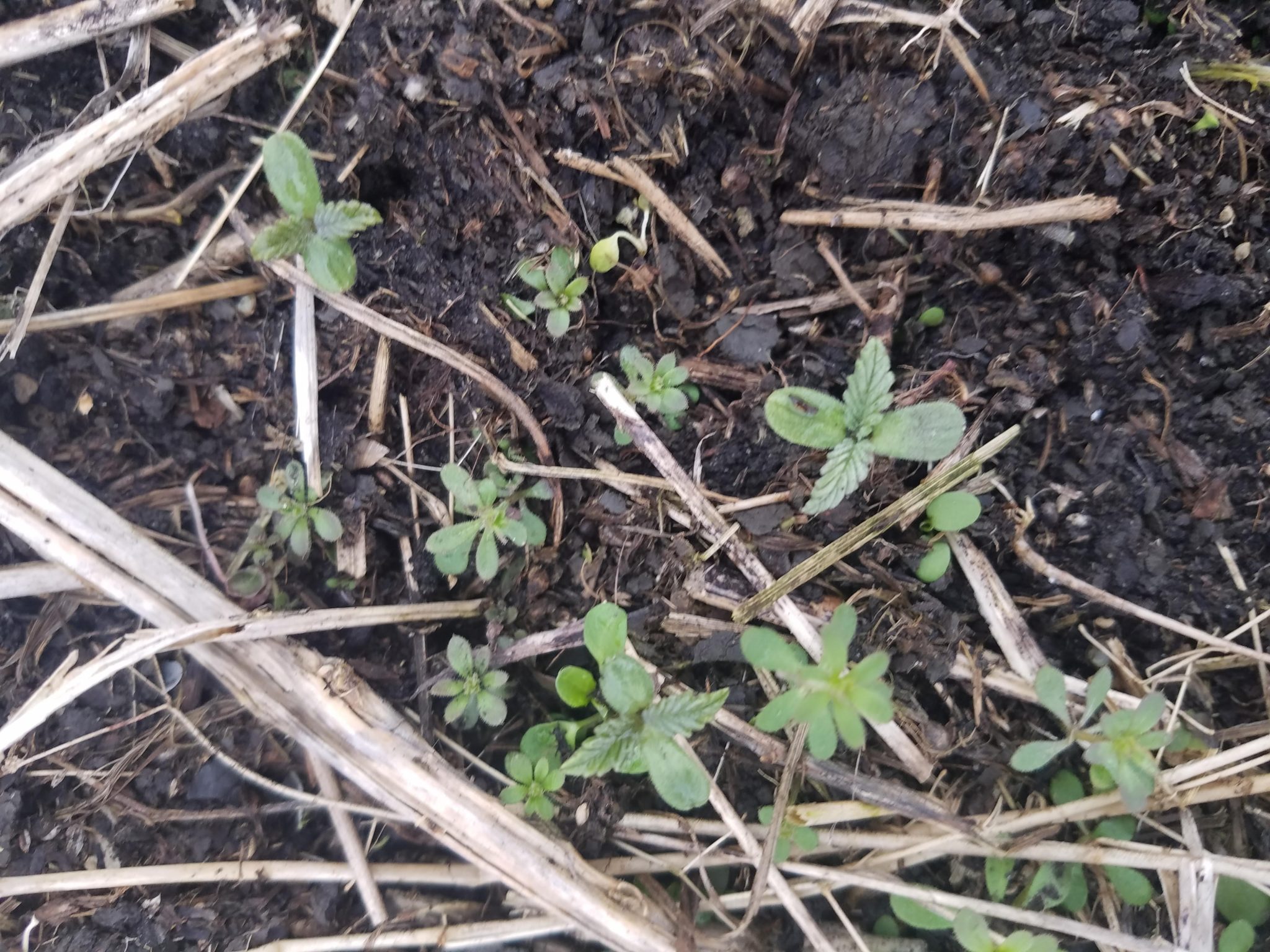
Hemp can germinate in soils between 40-50°F, and with the warm temperatures in late march, volunteer and feral hemp (ditch weed) had the right conditions to pop up.
Hemp can germinate in soils between 40-50°F, and with the warm temperatures in late march, volunteer and feral hemp (ditch weed) had the right conditions to pop up.
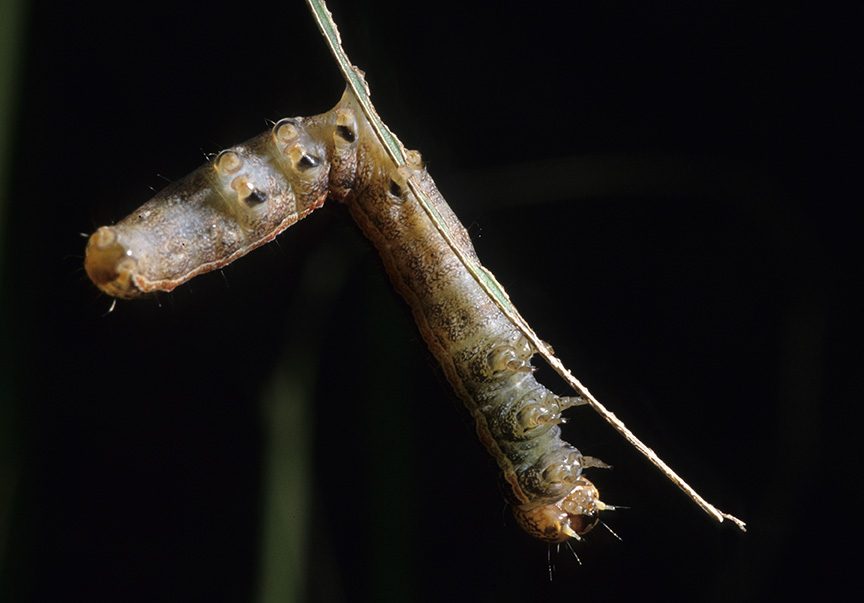
Many black cutworm trappers have captured large numbers of moths, see “Black Cutworm Pheromone Trap Report.” In trying to find levity during the Covid-19 pandemic, there have been various quips during their reports about this pest’s lack of adherence to our social distancing guidelines!
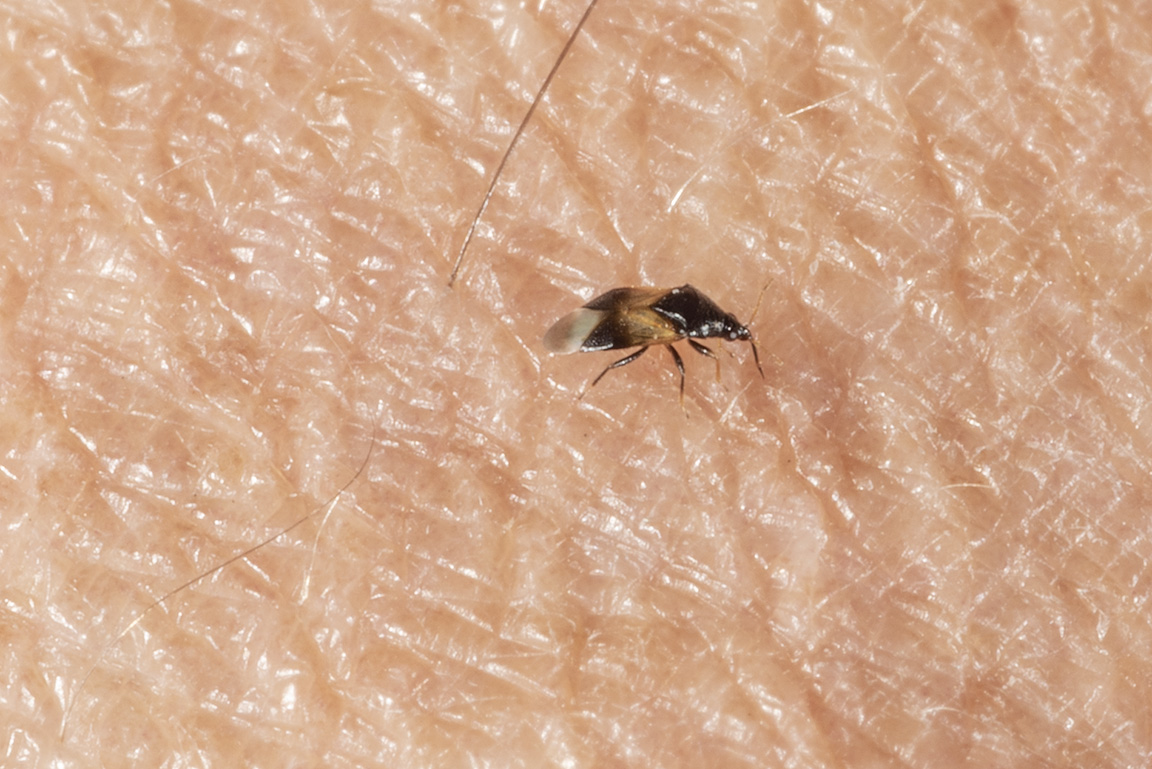
If out in the fields, or around the yard, during these beautiful fall afternoons, you may have experienced very unpleasant bites on exposed skin. The big surprise is how tiny these black bugs are, barely visible without magnification.
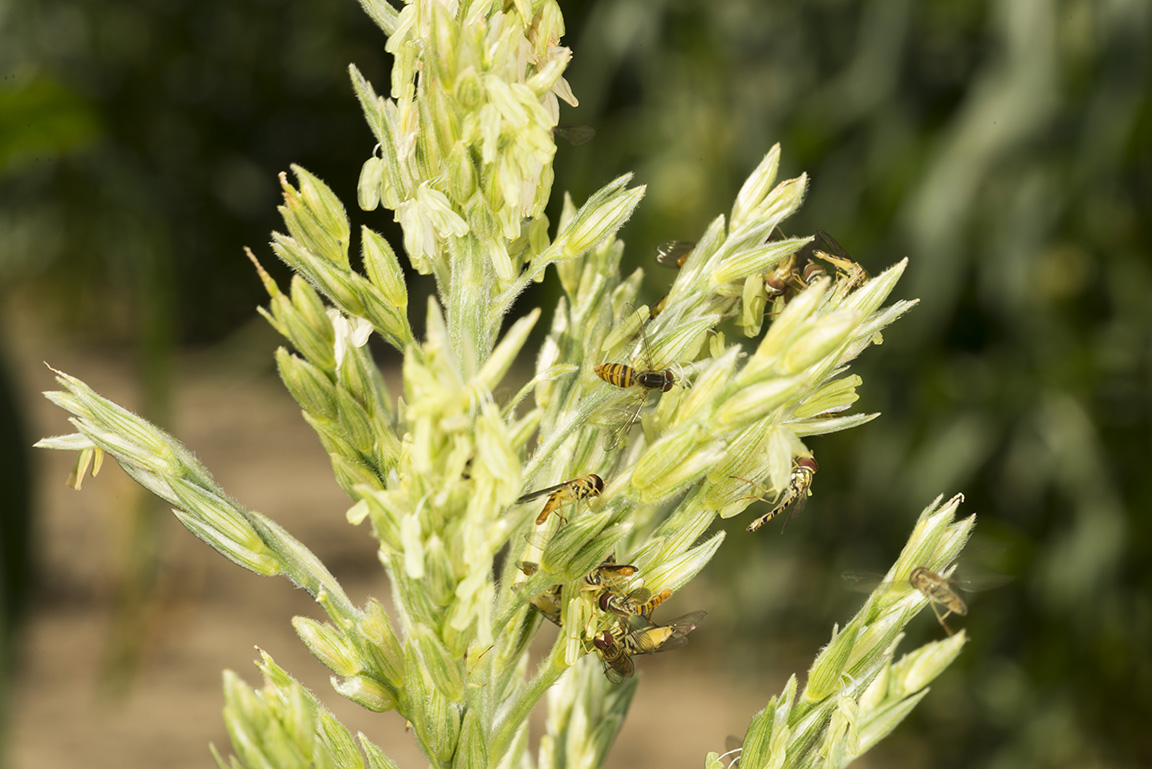
Recently there have been numerous reports of swarms of “bee-like” flies around Indiana fields, farmsteads, and rural environments, and wanted to take the opportunity to tell you a bit about this curiosity. Adult hover flies (aka syrphid flies) can sometimes be mistaken for bees or wasps, because they look a lot like them! Some people refer to hover flies as “corn flies” or “sweat bees,” but these insects are actually quite different from bees. Hover flies belong to the Order Diptera, or the true flies. The most noticeable group at this time of year belong to the genus Toxomerus, which feed on pollen. There are many other syrphid flies present throughout the season that are beneficial, as their larvae feed on soft-bodied insects like aphids. Compared to sweat bees, hover flies have black and yellow markings, are able to fly in place yet dart away quickly, have a[Read More…]
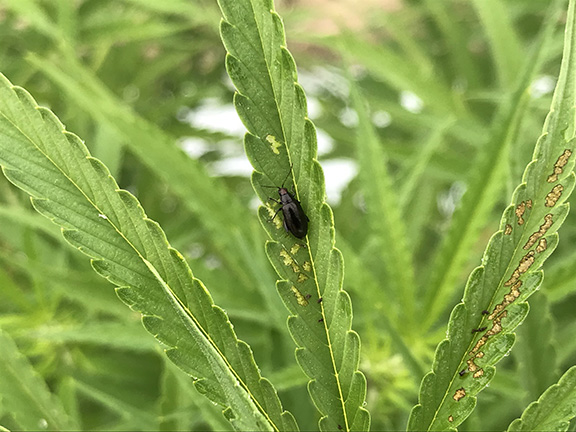
As the season progresses, hemp farmers in Indiana are learning what it is like to grow hemp compared to their other crops.
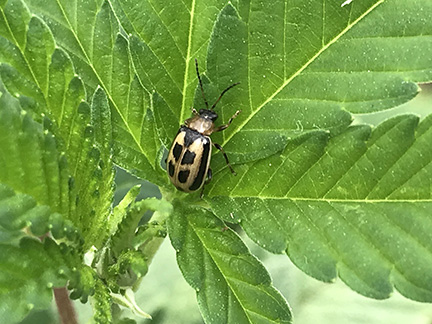
As the growing season progresses, I am getting more questions about insects feeding on hemp.
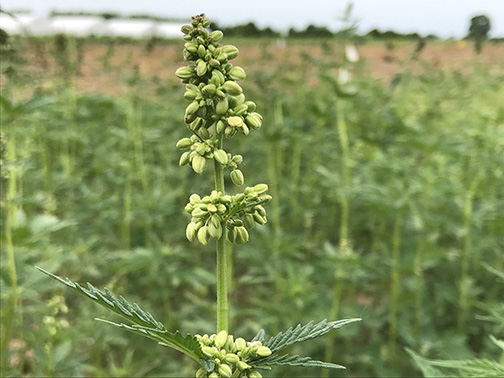
Both fiber, grain, and CBD hemp farmers are continuing to struggle with the wet weather and some fields remain unplanted.
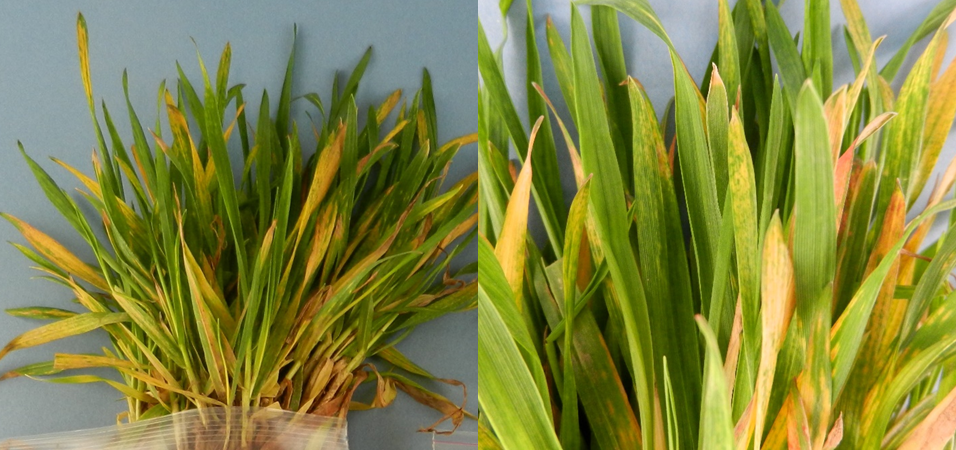
Wheat has greened-up and is actively growing across Indiana. Our southern field plots in Vincennes were at Feekes 8 (flag leaf emerged) earlier this week, while in West Lafayette plots are at Feekes 5 (leaf sheath strongly erect).
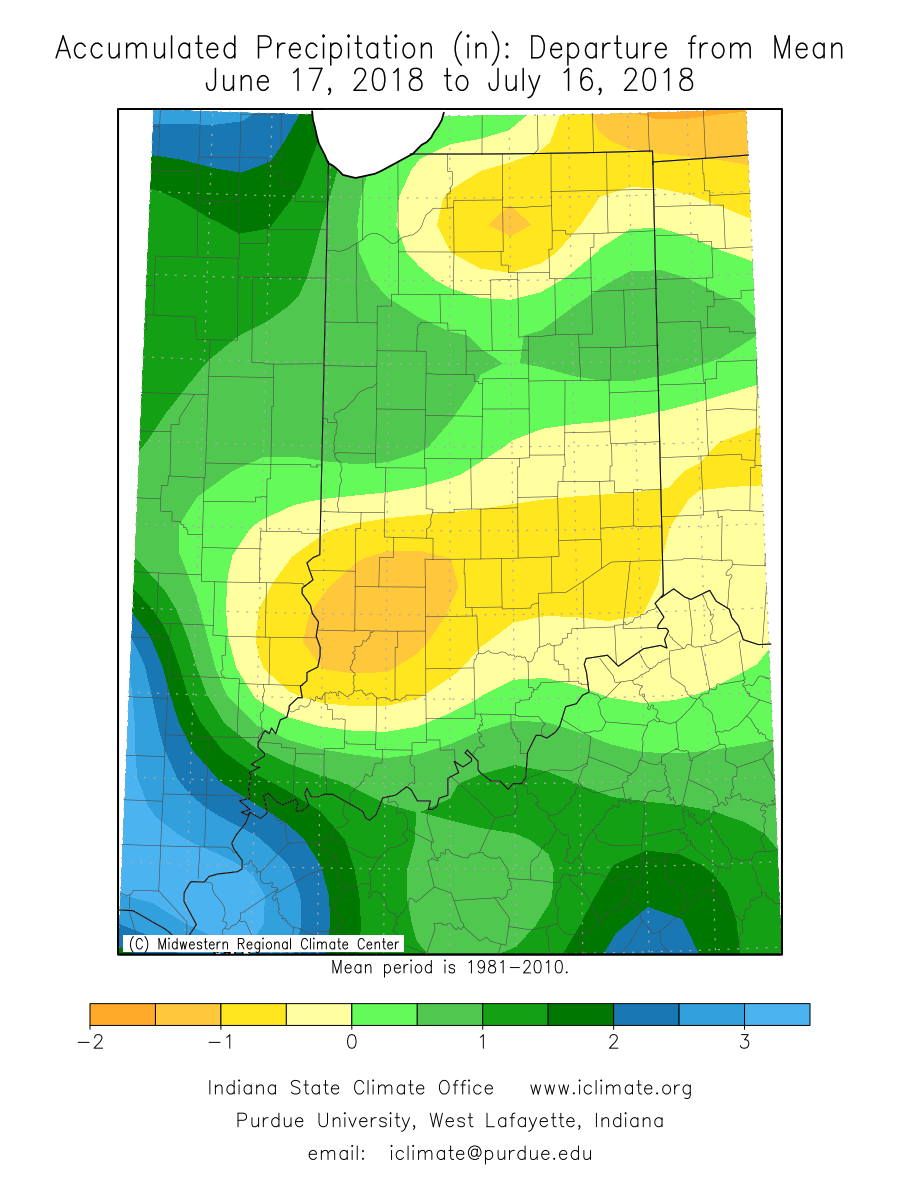
As some areas of Indiana are dry getting drier, there is more concern about the possibility about spider mites being a culprit for yellowing foliage.
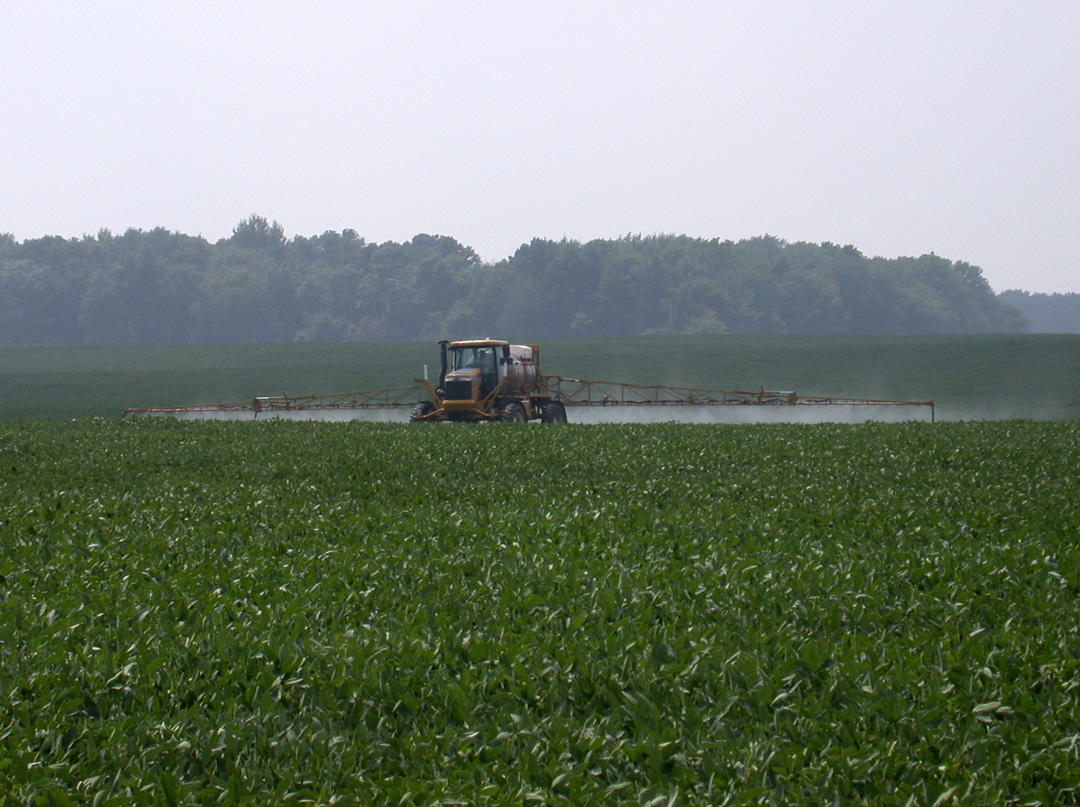
Dicamba has been with us since the 1960s, but has been given a new life thanks to plant scientists who have bred dicamba tolerant soybeans, a herbicide that in the past has been known to knock the leaves right off the plants.
© 2024 Purdue University | An equal access/equal opportunity university | Copyright Complaints | Maintained by Pest&Crop newsletter
If you have trouble accessing this page because of a disability, please contact Pest&Crop newsletter at luck@purdue.edu.