Corn lodging, during rapid vegetative growth just before pollination, is not a welcome site.
Corn lodging, during rapid vegetative growth just before pollination, is not a welcome site.
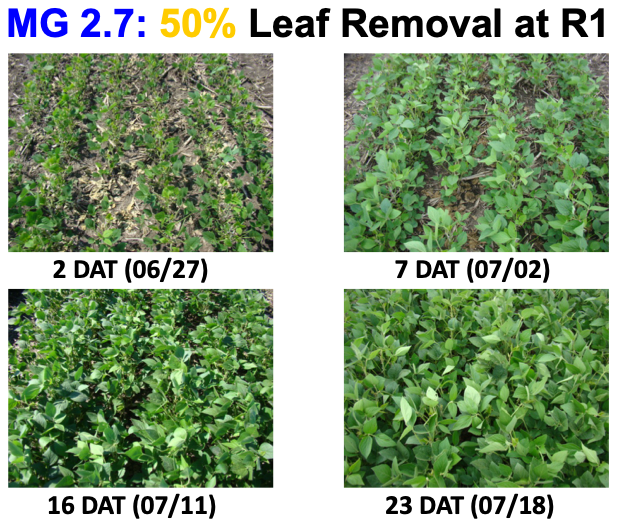
Our soybeans have been off to a great start in terms of development this season with 30% of Indiana flowering as of July 7th (USDA-NASS, 2024).
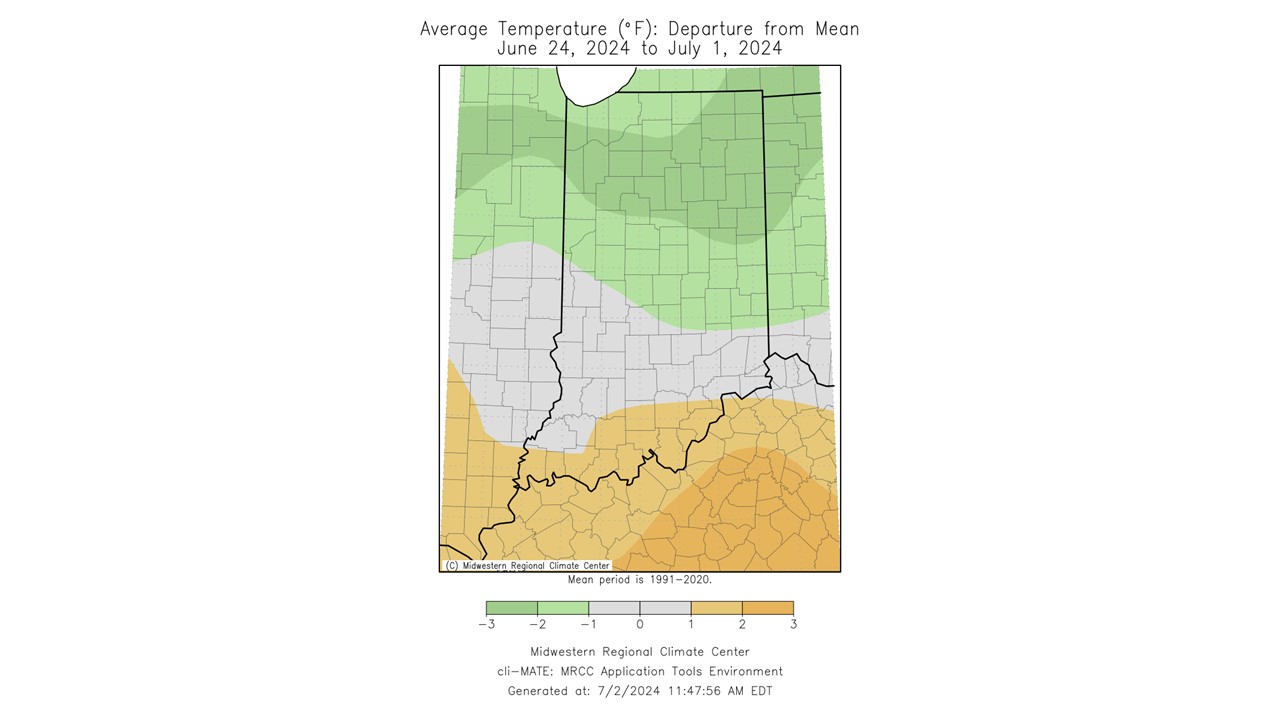
Temperatures were much more pleasant over the past seven days (June 24-July 1) compared to the heat experienced in mid-late June.
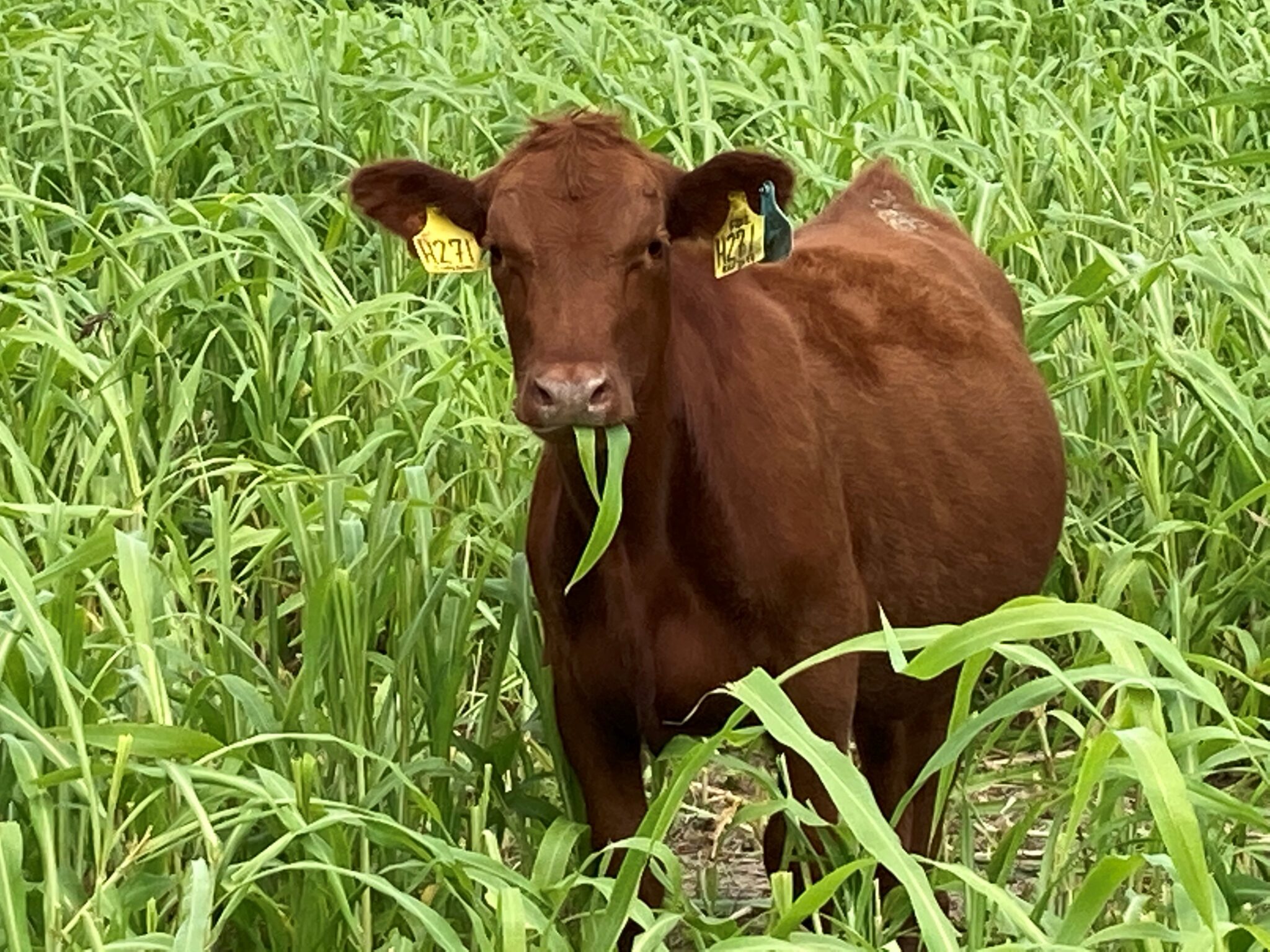
As we transition into a new month, it is always good to remind ourselves about forage management practices that remain or become a focus.
2024 Corn Earworm Trap Report
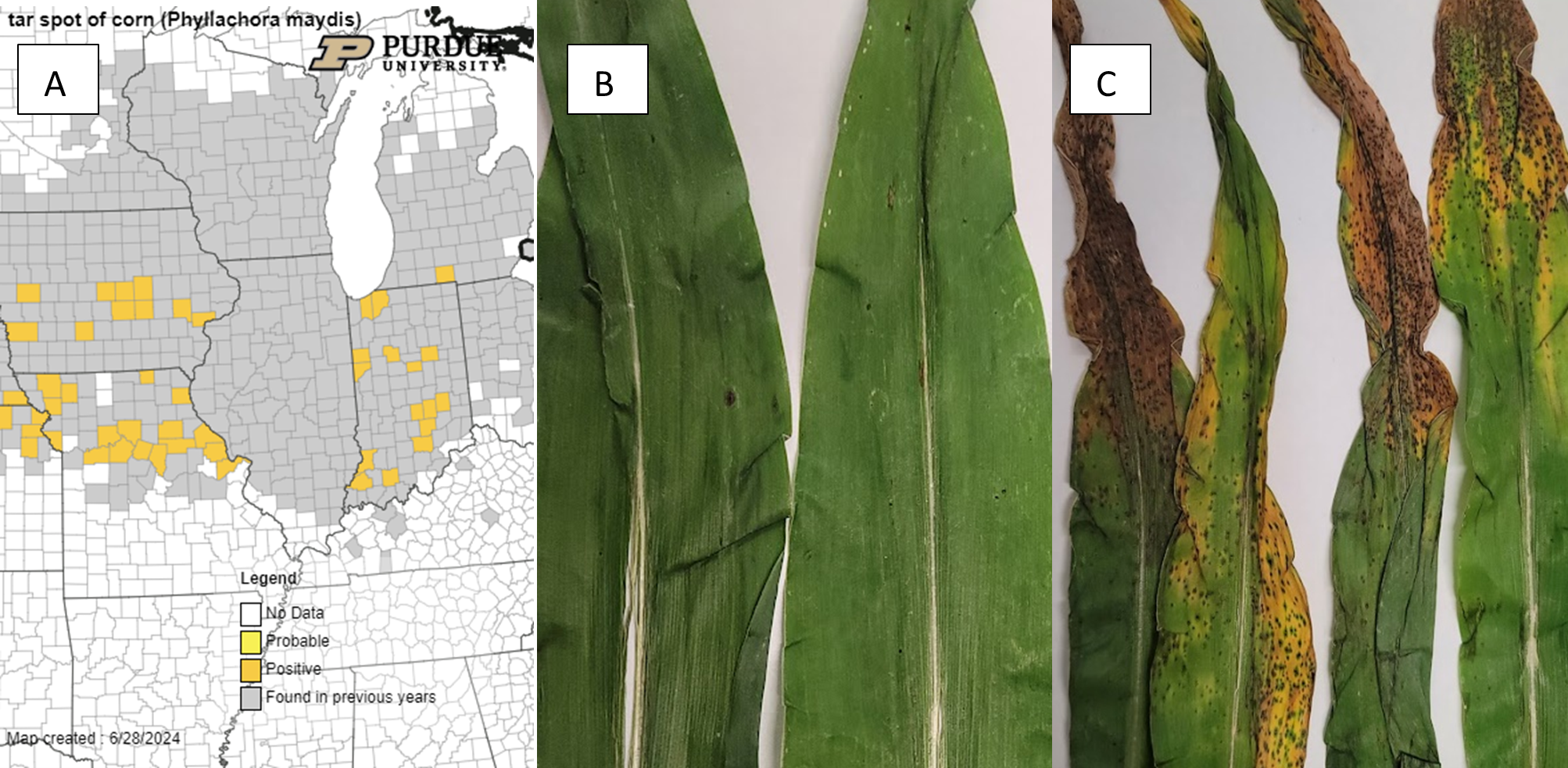
We are starting to see common diseases in the lower canopy of corn, as we were out scouting this past week as early planted corn has begun to tassel in Indiana.
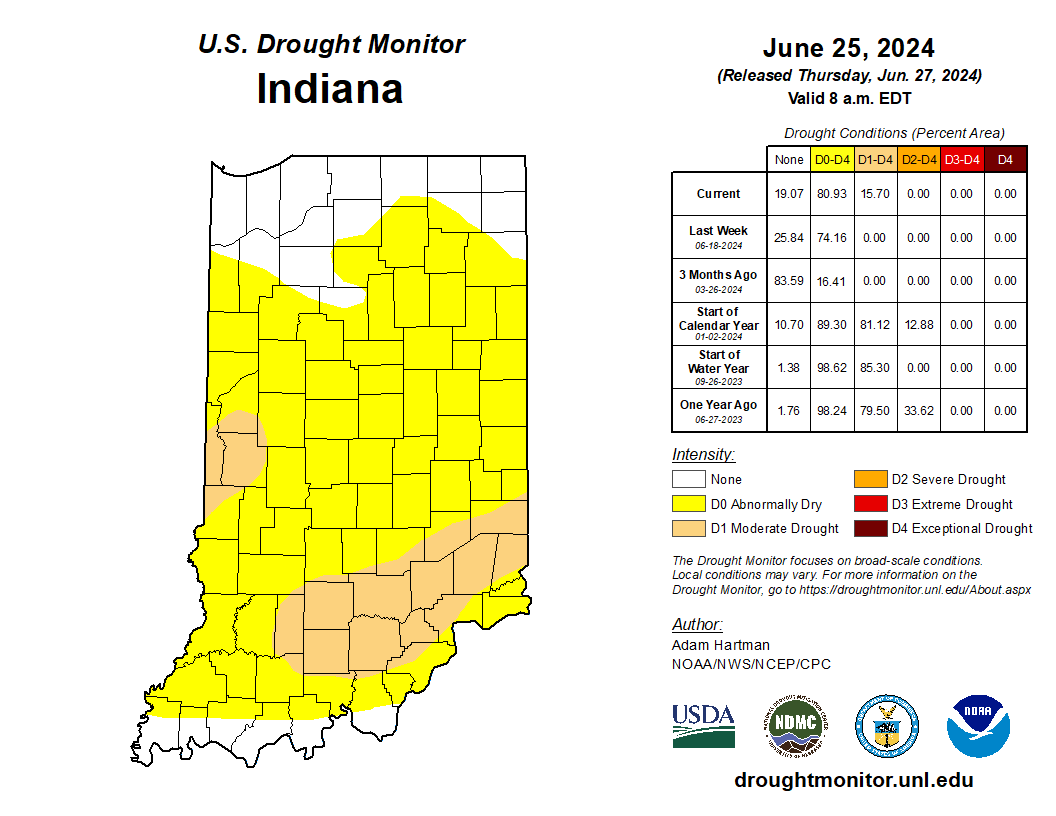
Last week, temperatures were higher than normal, and the lack of precipitation was causing lawns to turn brown, creek and lake levels to drop, and some crops to start showing stress.
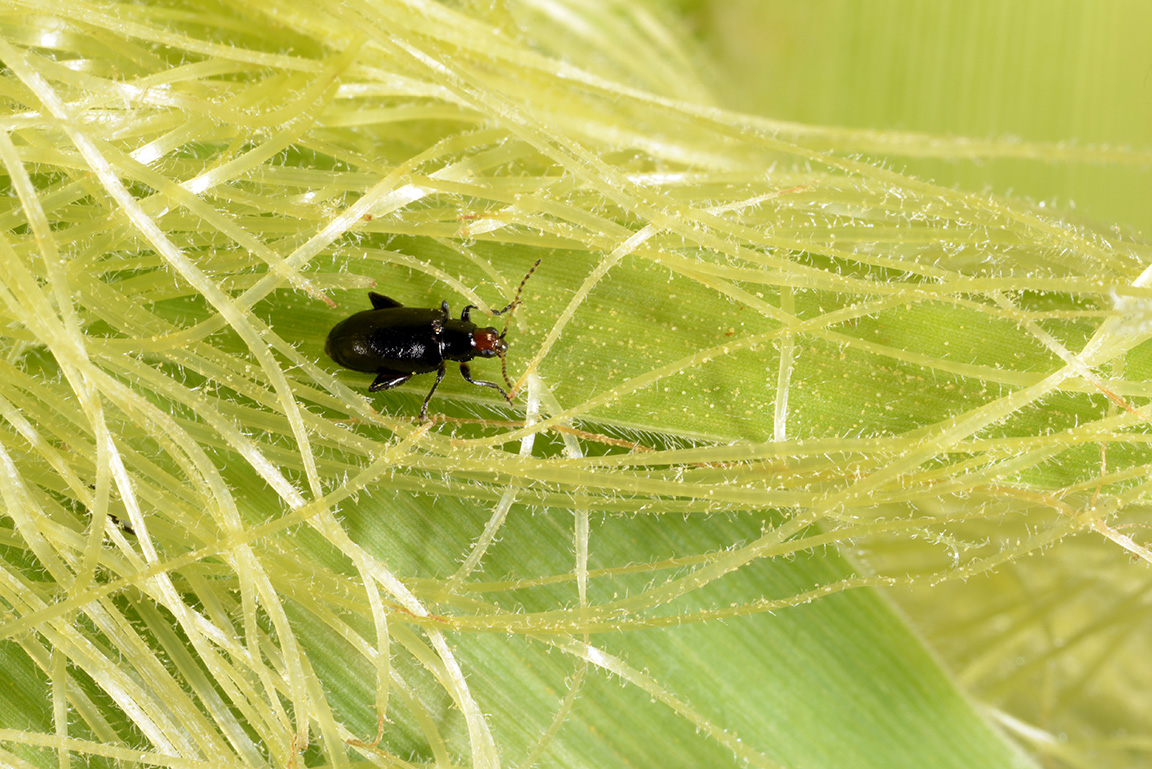
Though more of a curiosity, and infrequent, it is refreshing for us to receive calls/emails of mysterious insects “threatening” the crop.
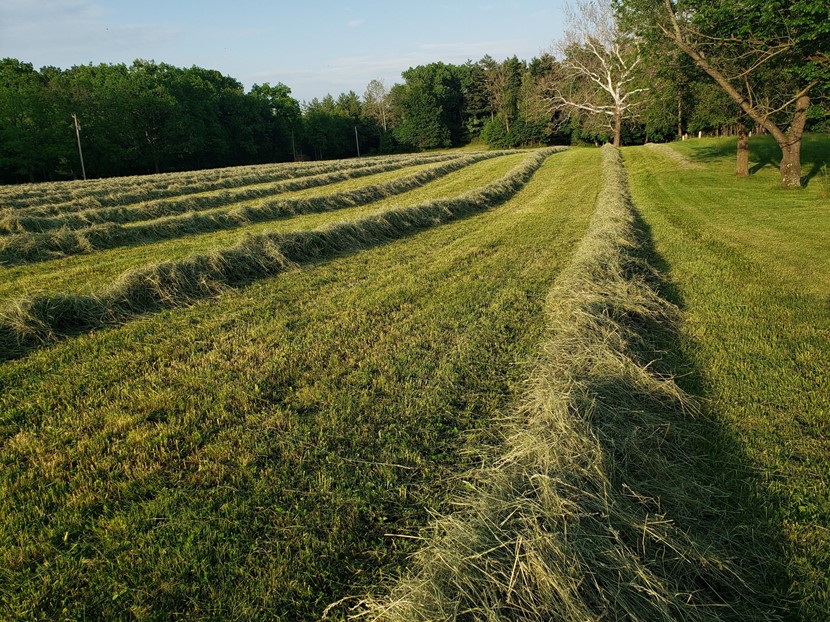
Managing forages for hay production requires much skill.
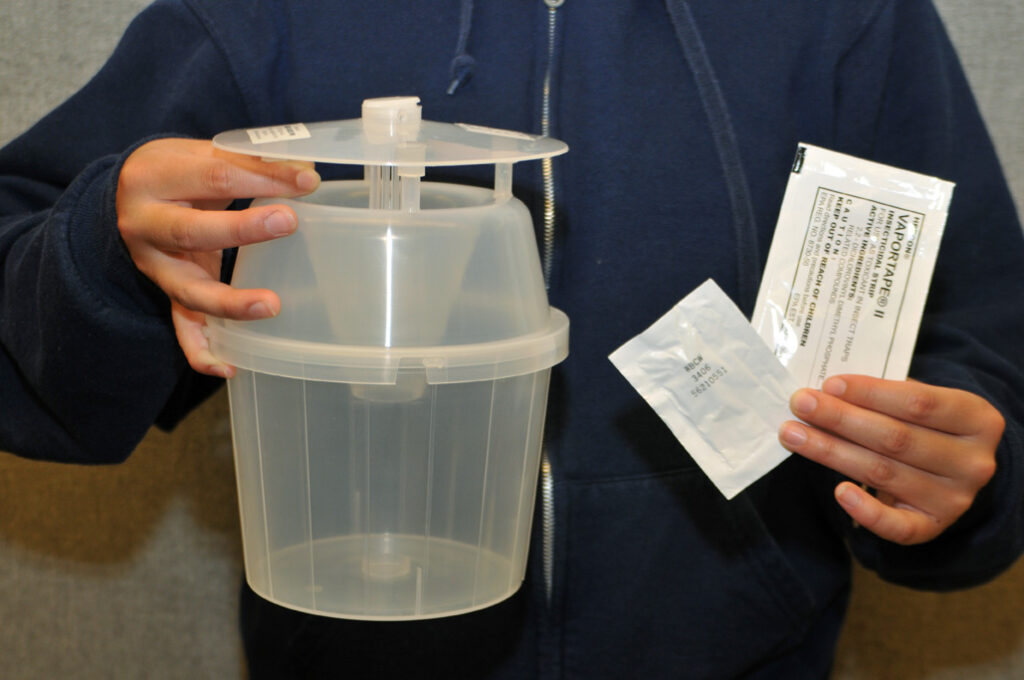
As we move into the first days of summer, we are finished with the early season, migratory moths and caterpillars (armyworms, black cutworms) and are now into those that overwinter here. For those pheromone trapping for western bean cutworm moths, you should begin this week. This is just the beginning of an extended moth emergence and flight, with their peak activity expected 2-3 weeks from now. Those in high-risk areas, i.e., sandy soils, high moth flight and WBC history should be gearing up for field scouting of corn, even those with Bt-traits. Depending on the trait expressed by your corn hybrids, efficacy can be highly variable. Scouting of pre-tassel corn should begin once multiple moths are being captured regularly. In five different areas of a field, inspect 20 consecutive plants for egg masses which are laid on the upper surface of the top leaves of corn and/or larvae that may[Read More…]
© 2026 Purdue University | An equal access/equal opportunity university | Copyright Complaints | Maintained by Pest&Crop newsletter
If you have trouble accessing this page because of a disability, please contact Pest&Crop newsletter at luck@purdue.edu.