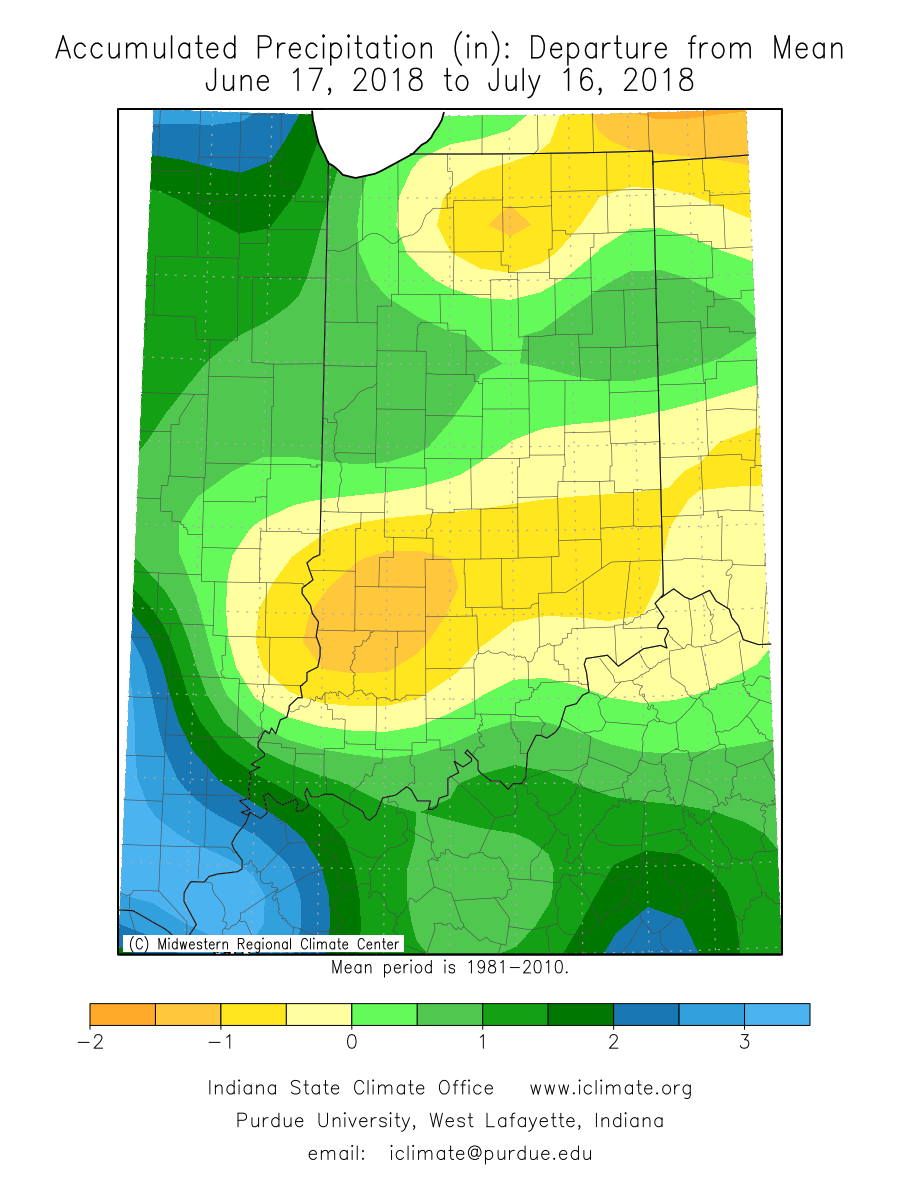
The post-pollination scuttlebutt overheard in coffee shops throughout Indiana during late summer often revolves around the potential for severe stress that might reduce kernel set or kernel size in neighborhood cornfields.

The post-pollination scuttlebutt overheard in coffee shops throughout Indiana during late summer often revolves around the potential for severe stress that might reduce kernel set or kernel size in neighborhood cornfields.

It is not uncommon to receive samples and pictures of “bugs” from family, friends and neighbors.

The post-pollination scuttlebutt overheard in coffee shops throughout Indiana during late summer often revolves around the potential for severe stress that might reduce kernel set or kernel size in neighborhood cornfields.

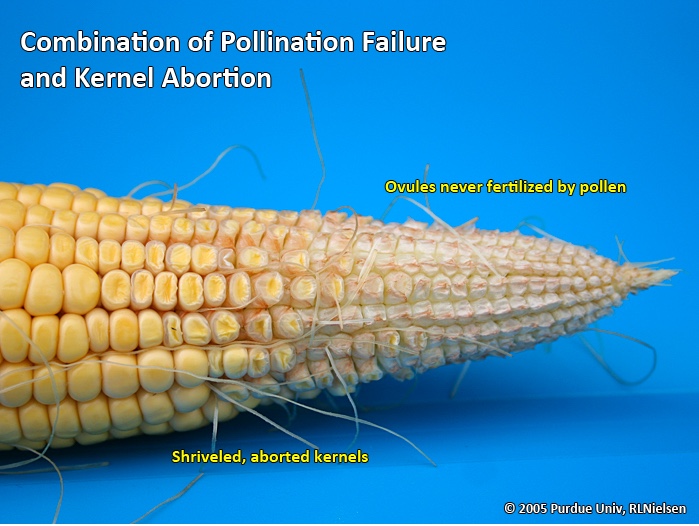
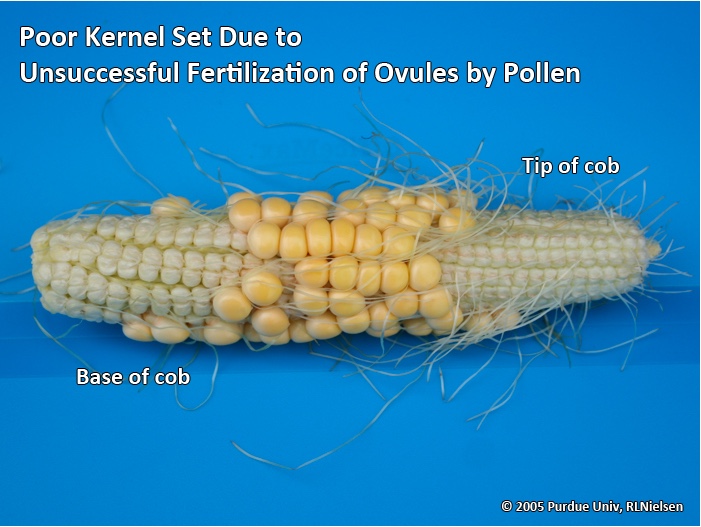
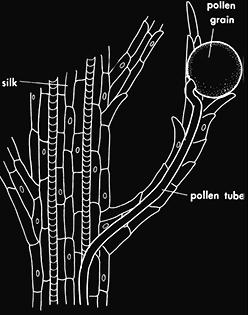
The silks that emerge from the ear shoot are the functional stigmas of the female flowers of a corn plant. Each silk connects to an individual ovule (potential kernel). A given silk must be pollinated in order for the ovule to be fertilized and develop into a kernel. Up to 1000 ovules typically form per ear, even though typically only 400 to 600 actual kernels per ear survive until harvest.
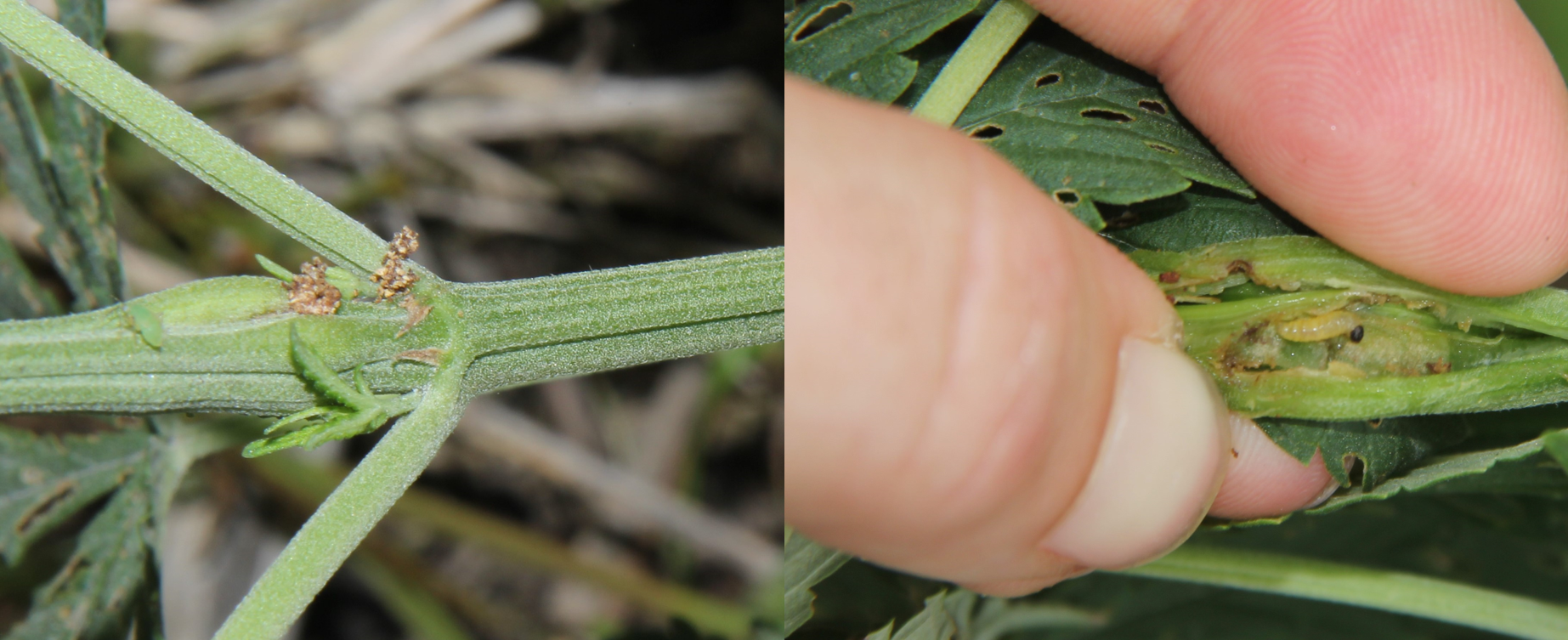
The majority of hemp is in the ground and growers are now actively managing their plants.

Yield potential in corn is influenced at several stages of growth and development.

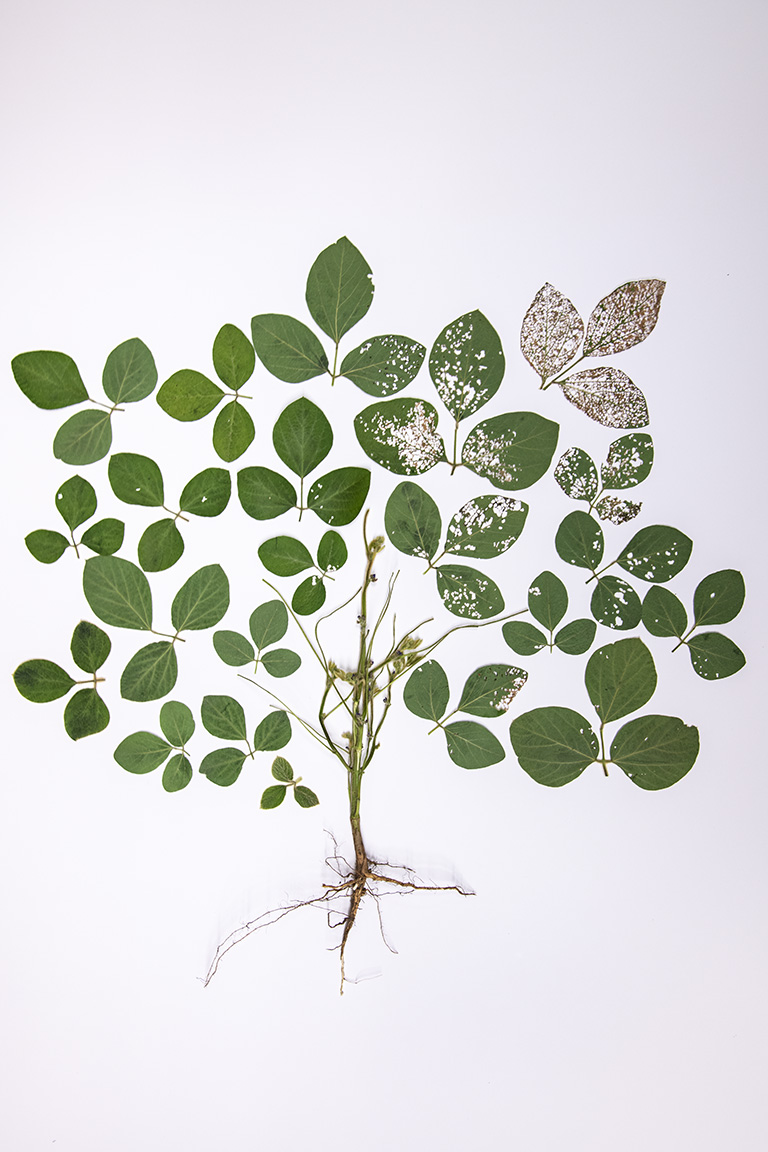
Most guesstimates, range being from 3.7 to 18.8, were within a few percentage points of the actual measured defoliation…8.7%.

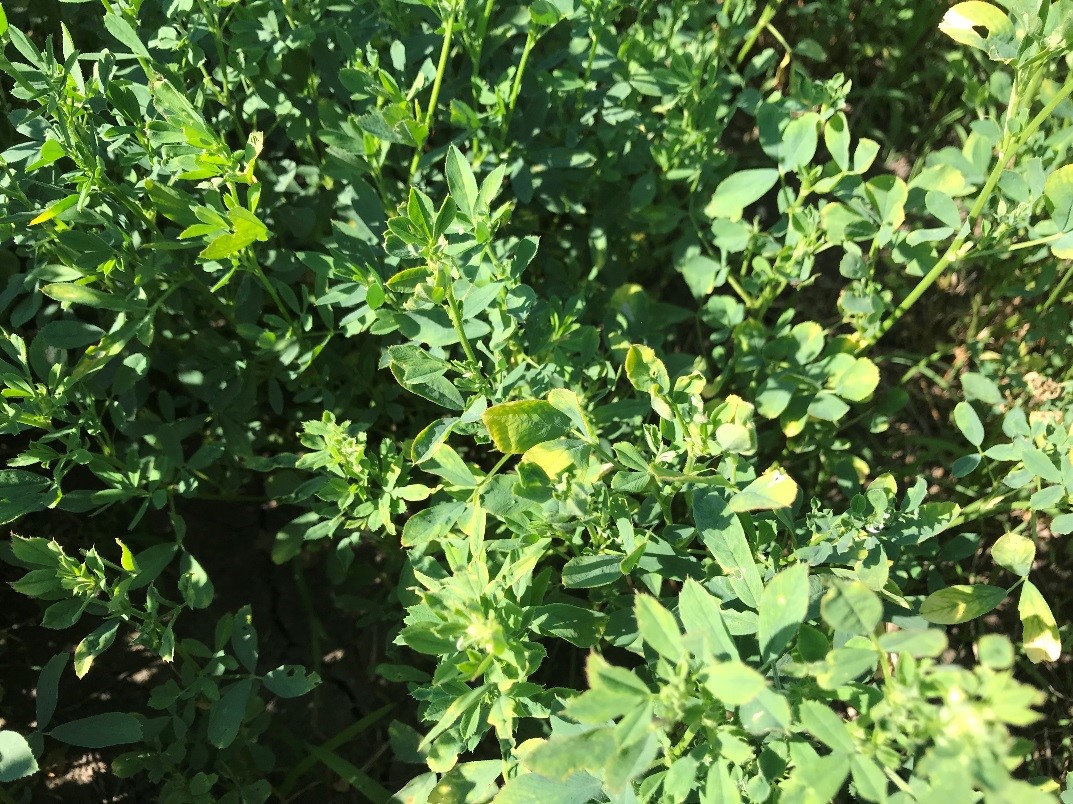
The beginning of damage to alfalfa leaflets (note yellowing) caused by the potato leafhopper was seen on second harvest.

Yield potential in corn is influenced at several stages of growth and development

The post-pollination scuttlebutt overheard in coffee shops throughout Indiana during late summer often revolves around the potential for severe stress that might reduce kernel set or kernel size in neighborhood cornfields.
© 2026 Purdue University | An equal access/equal opportunity university | Copyright Complaints | Maintained by Pest&Crop newsletter
If you have trouble accessing this page because of a disability, please contact Pest&Crop newsletter at luck@purdue.edu.