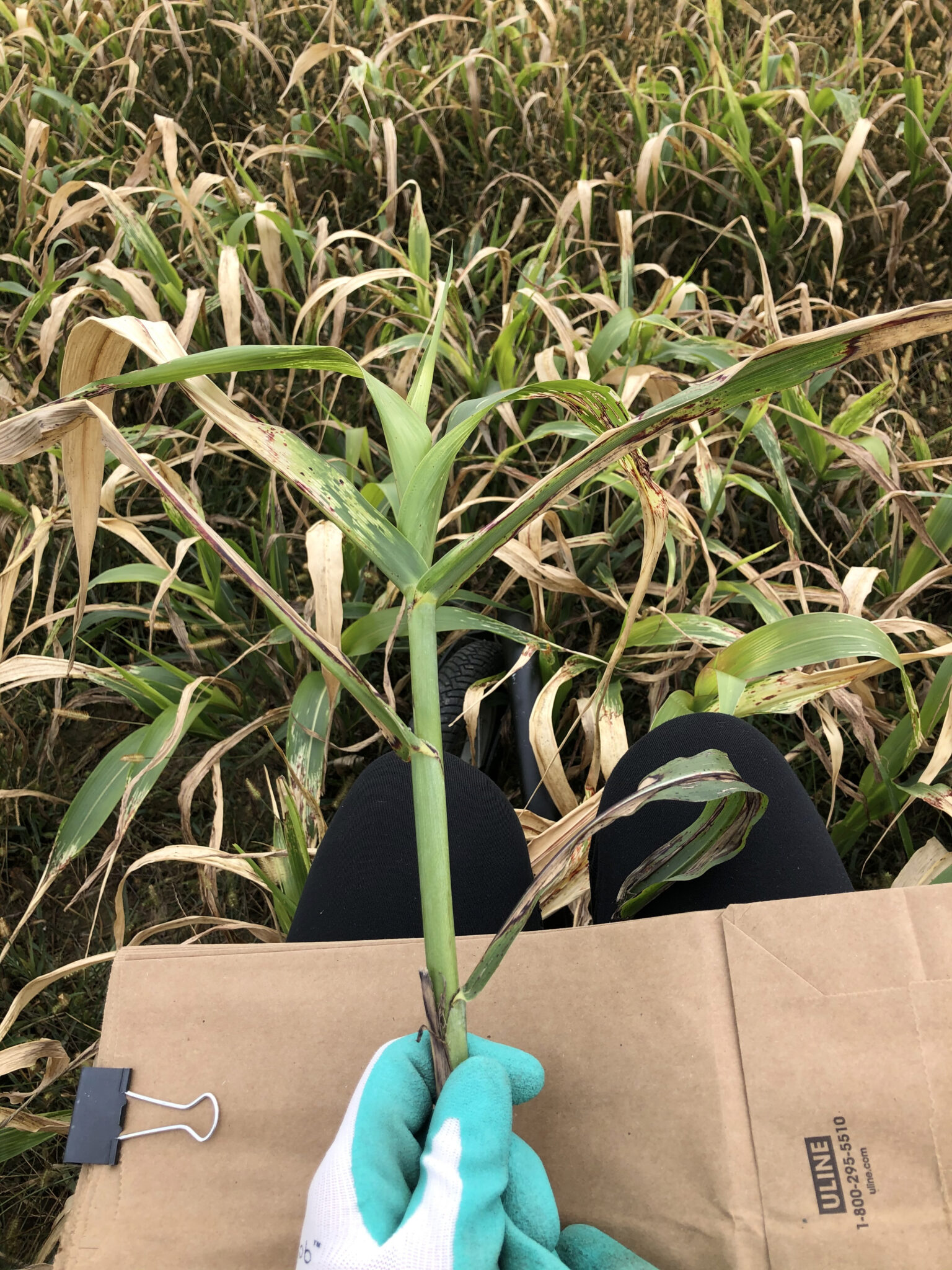
Nights are beginning to get cooler, the first frost is approaching, and you may be questioning whether your livestock should be removed from your forage sorghum pastures.
Nights are beginning to get cooler, the first frost is approaching, and you may be questioning whether your livestock should be removed from your forage sorghum pastures.
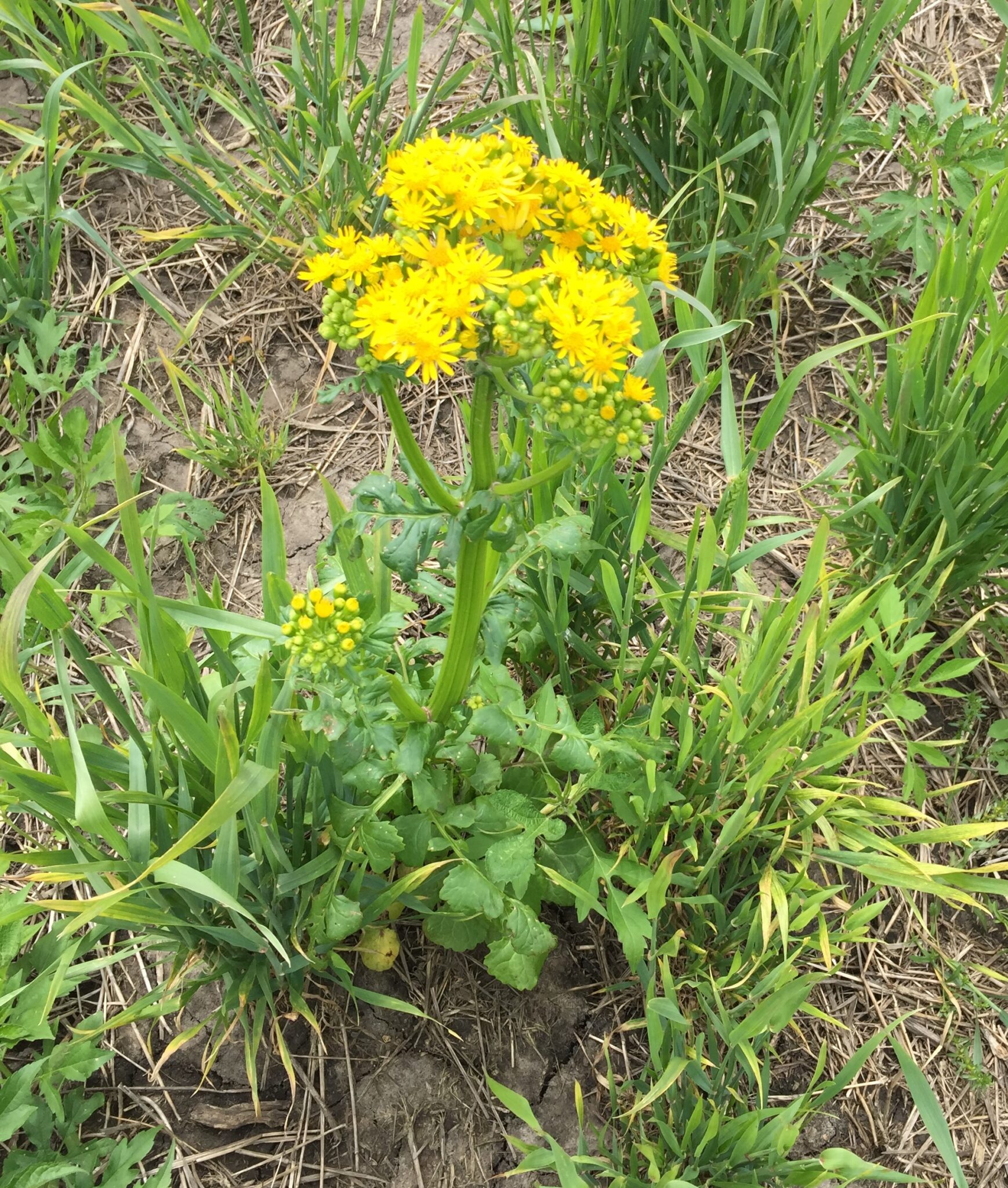
Each fall we revise and update our Weed Control Guide for Ohio, Indiana, and Illinois (WS-16) publication. This year, in addition to incorporating a few new herbicide names and subtle label change information, we are adding information to the problem weed section on control of Cressleaf Groundsel, Poison Hemlock, and Annual Bluegrass. Since some of the best control strategies for all three of these weeds involve using herbicides applied in the fall, I decided to use this information in newsletter article. Cressleaf groundsel is a winter annual weed that has become more prevalent in pastures and agronomic crop ground over the past decade. The small seeds produced by this weed allow it to thrive in reduced and no-till systems as well as poorly established pastures. Cressleaf groundsel emerges as a rosette in the fall then bolts, flowers, and produces seed in the spring. Basal rosette leaves are deep[Read More…]

Are you interested in keeping up with the latest weed management information?
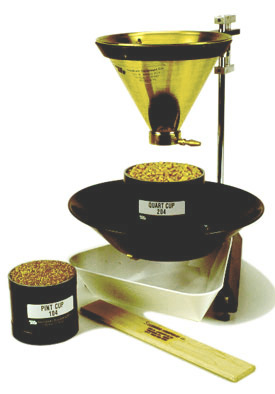
Among the top 10 most discussed (and cussed) topics at the Chat ‘n Chew Cafe during corn harvest season is the grain test weight being reported from corn fields in the neighborhood.
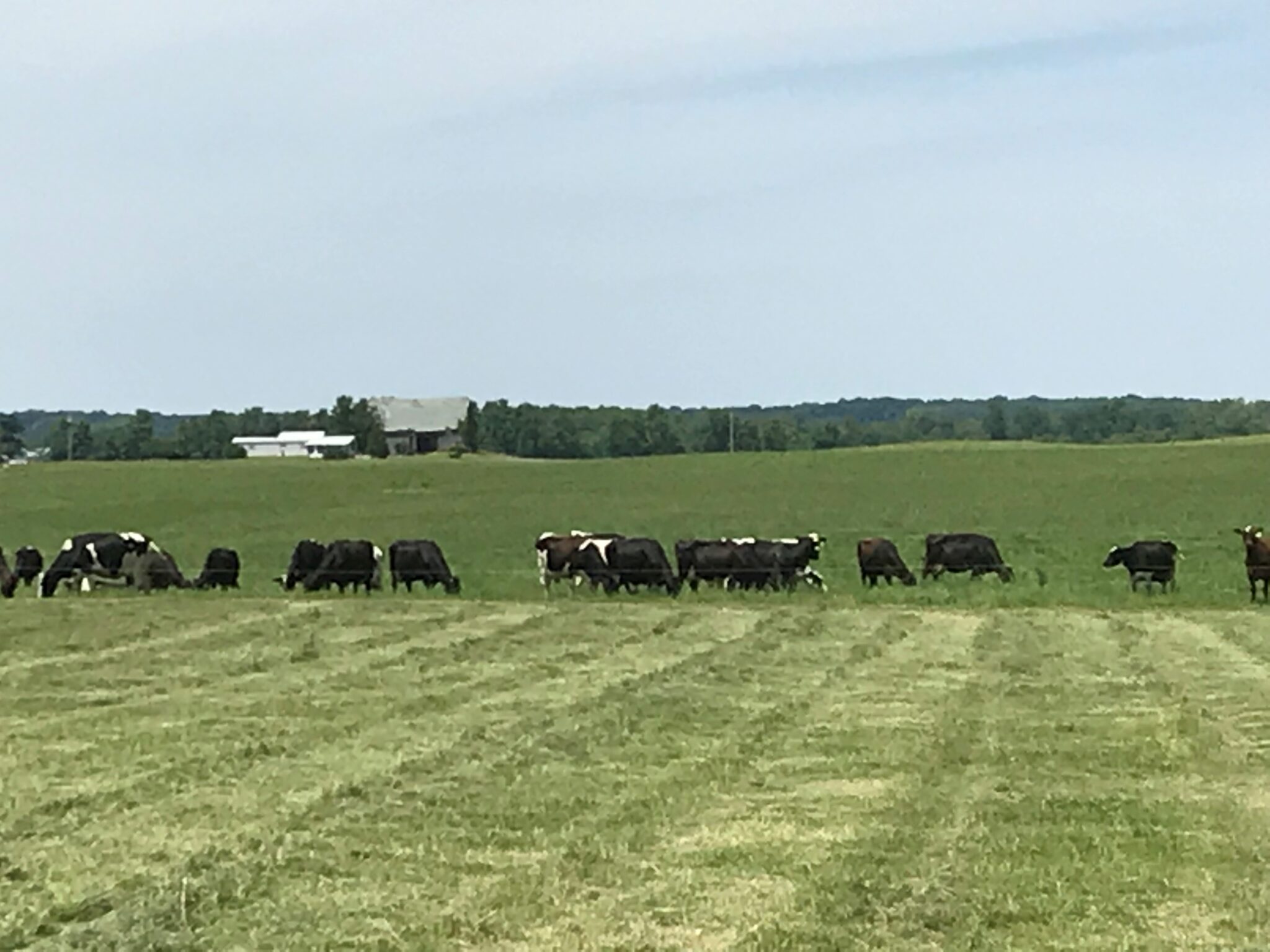
Managing pasture properly requires much skill, just like any agronomic crop.
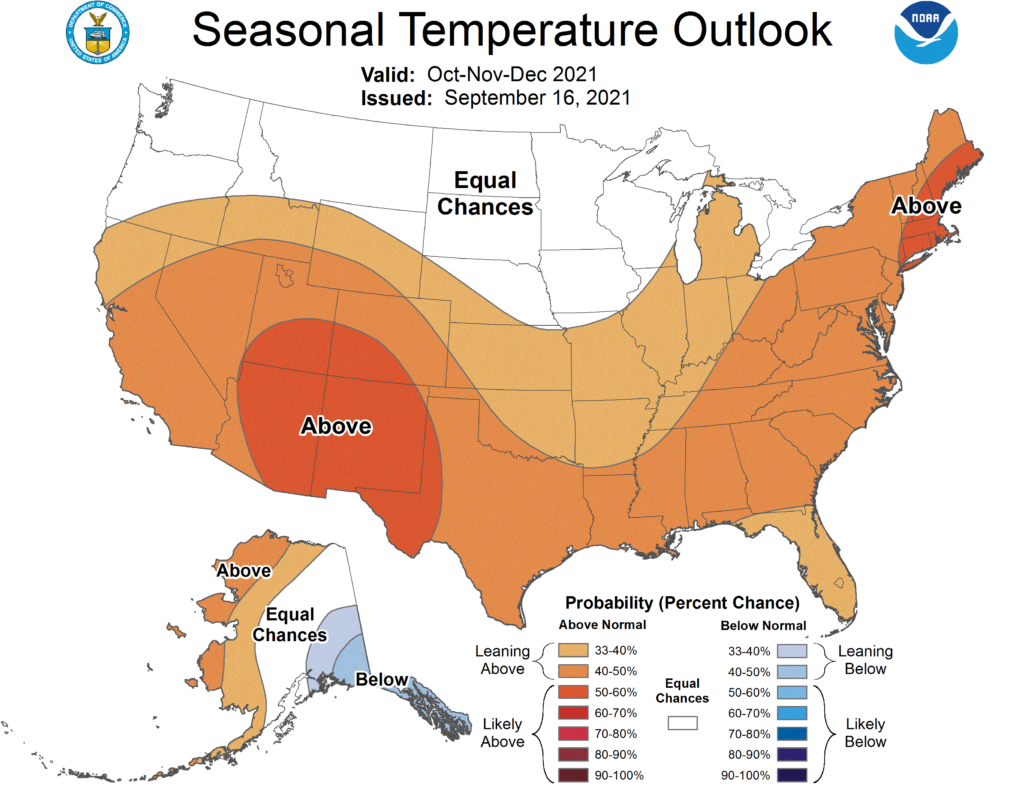
The most recent climate outlooks for the October through December period is slightly favoring above-normal temperatures (Figure 1) with equal chances for above-normal, below-normal, or normal precipitation across Indiana (Figure 2). The climate outlooks for October are more strongly favoring above-normal temperatures across the state with precipitation being only slightly favored for the northeastern part of the state.
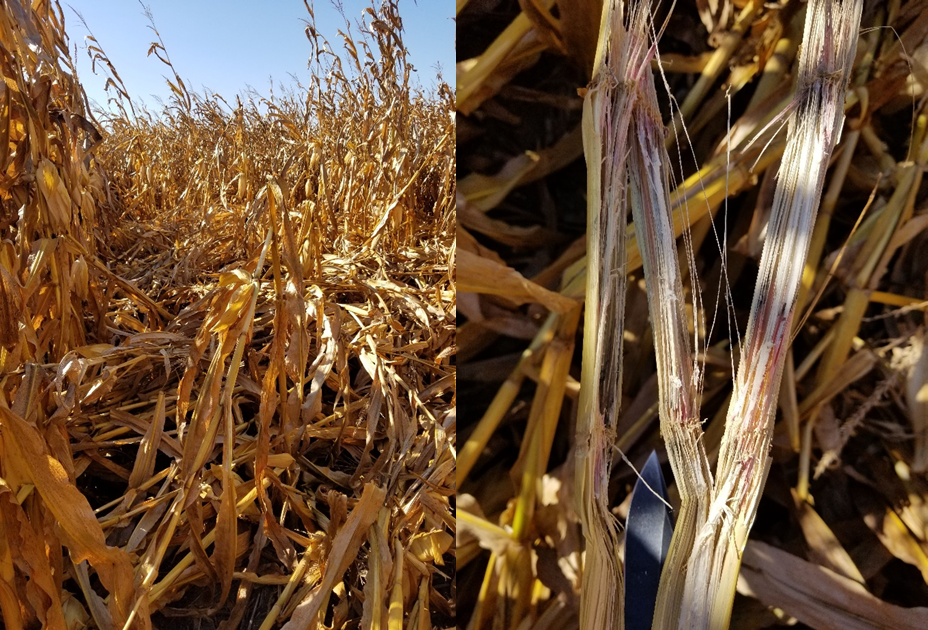
There are many factors that can contribute to stalk decline. There are both plant pathogenic causes and abiotic stresses factors that can play a role in reduced stalk integrity, such as drought and flooding. Either way, as stalk tissue becomes compromised below the main ear the stalk may become brittle or weak and be prone to lodging.
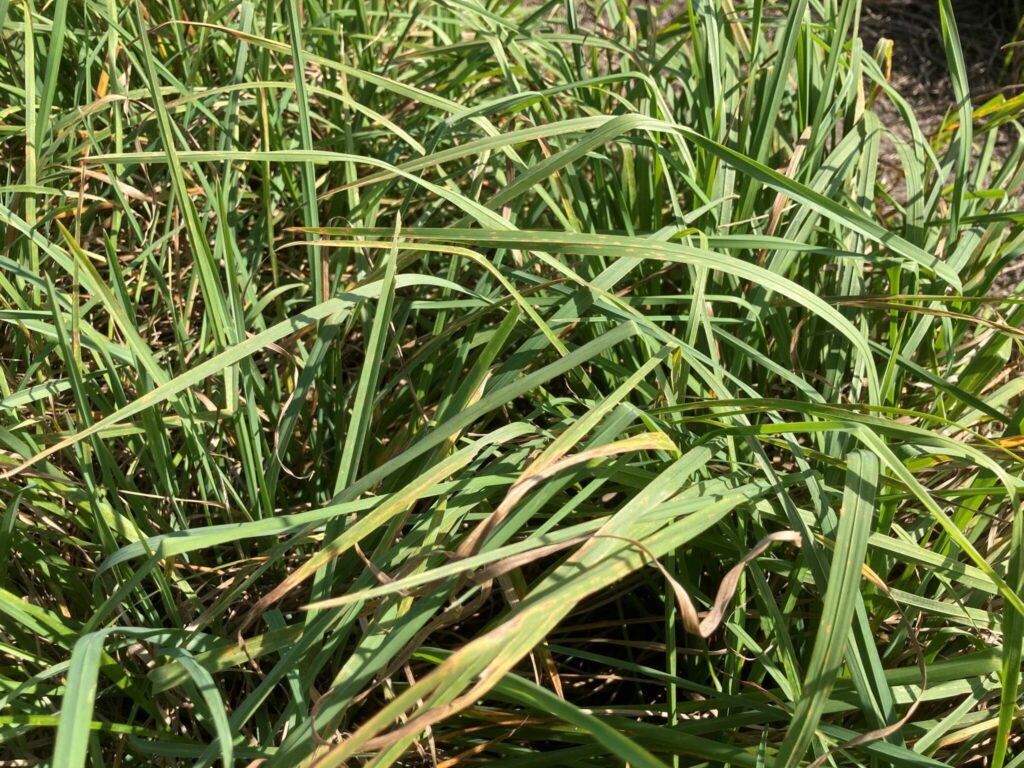
As the season transitions to fall, it is a good time to deliberate what should be done to improve your forage-livestock business.
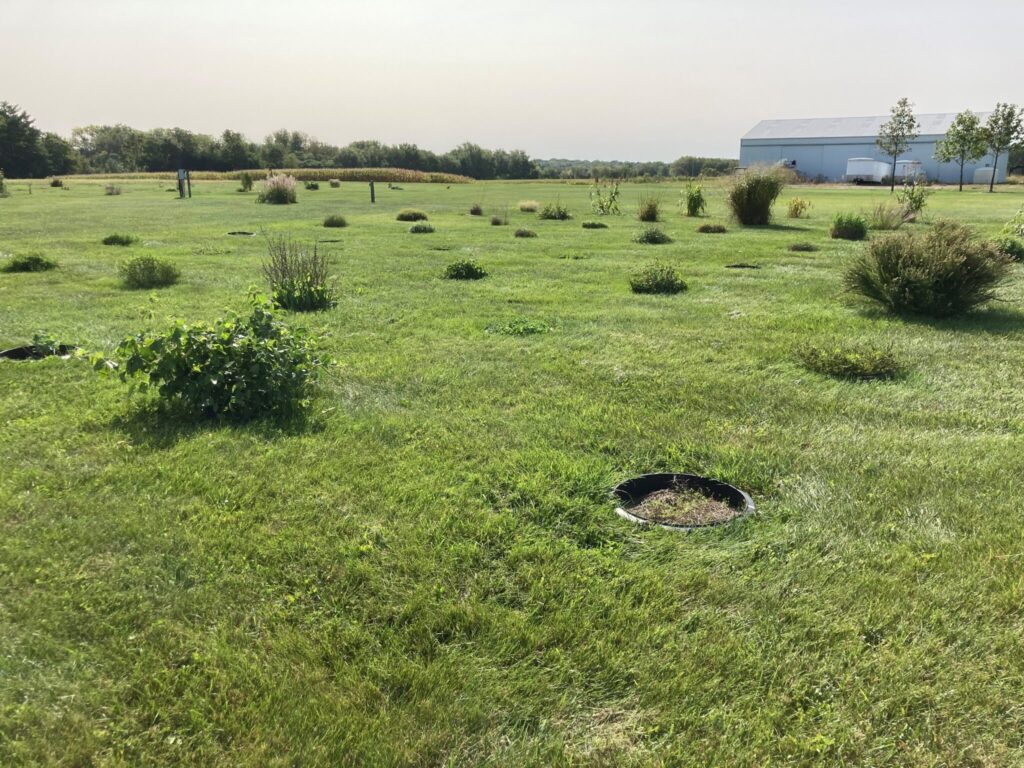
Plants are around us no matter where you live. I am challenged with plant identification as an agriculturalist and enjoy learning to identify plants that are not in production agriculture, too. This week I was asked to help a producer identify a weed growing in a recently seeded orchardgrass field. Purslane was the plant in question. An email request was shared this week with me about identifying plants in a pasture that may have caused several beef cattle deaths. Did poisonous plants or another concern cause cattle deaths? Learning how to identify plants is a worthy skill. Too many of us learned how to identify poison ivy from the unfortunate contact we had with it on a hike or learned how to identify it from someone else that felt itchy discomfort. Some individuals have taken an interest in foraging out food resources in the great outdoors. They took time to[Read More…]
© 2026 Purdue University | An equal access/equal opportunity university | Copyright Complaints | Maintained by Pest&Crop newsletter
If you have trouble accessing this page because of a disability, please contact Pest&Crop newsletter at luck@purdue.edu.