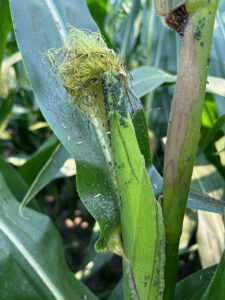
The vast majority of cornfields in the northwestern counties of Indiana have reached or have passed pollination.
The vast majority of cornfields in the northwestern counties of Indiana have reached or have passed pollination.
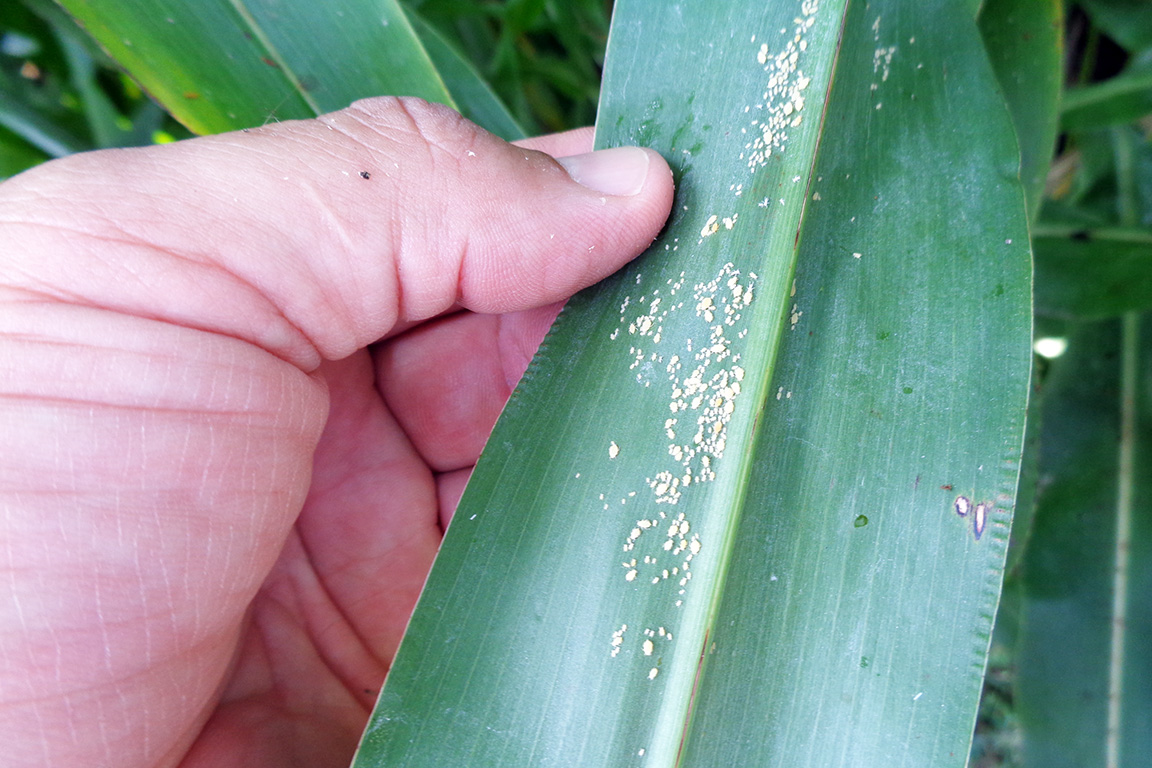
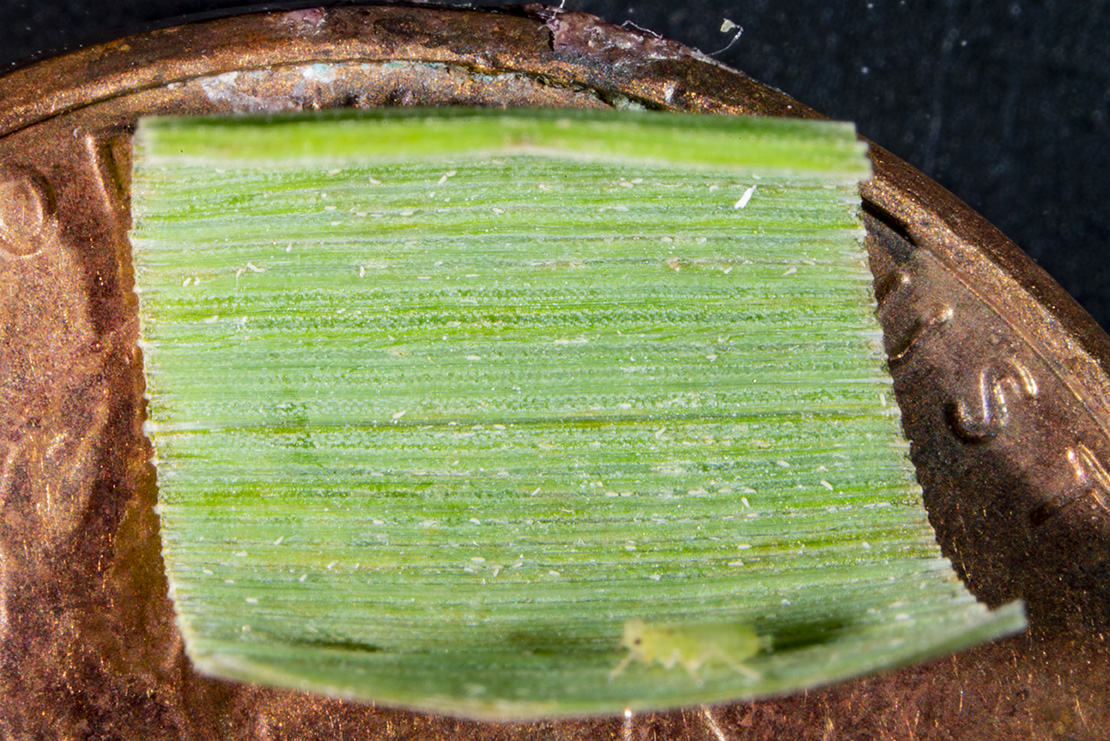
The sugarcane aphid (Melanaphis sacchari), a relatively new pest of grain sorghum, forage sorghums, sudangrass, sorghum-sudangrass hybrids and Johnson grass, first detected in Indiana in 2016, is making its presence known primarily in southcentral and southwestern counties.
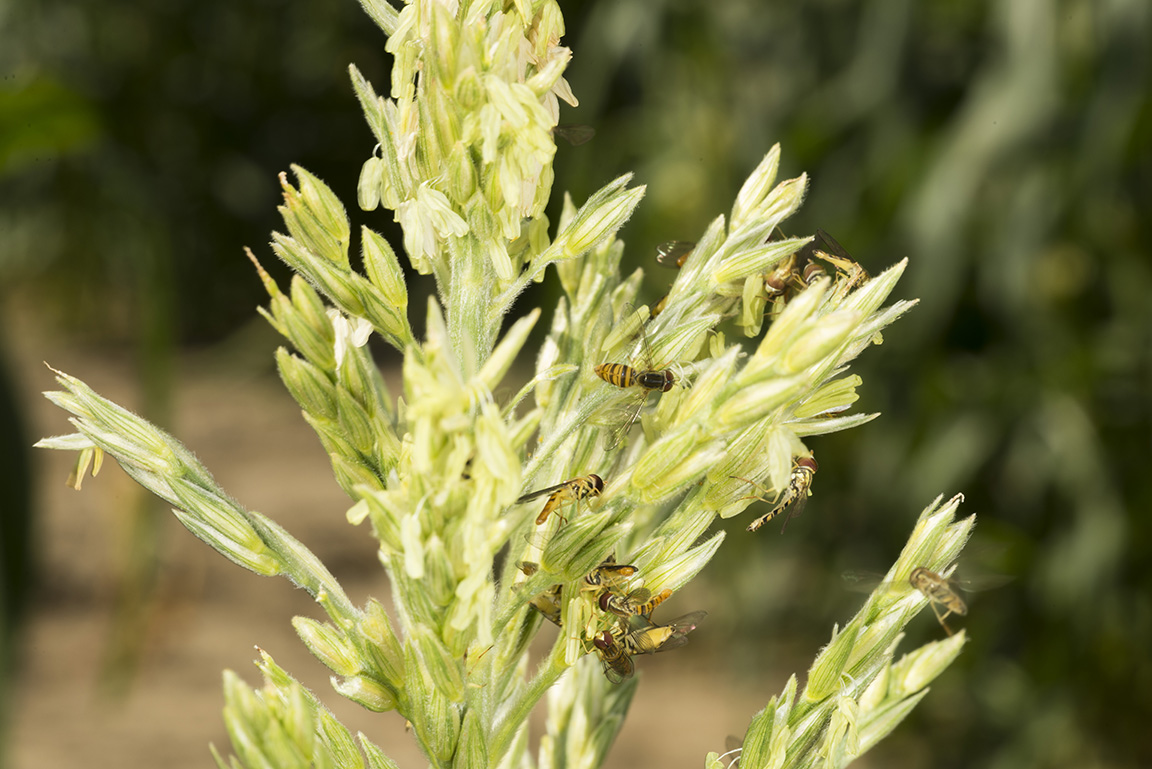
Increasingly, we are getting inquires of swarms of “bee-like” flies around Indiana fields, farmsteads, and rural environments, and wanted to take the opportunity to tell you a bit about this curiosity.
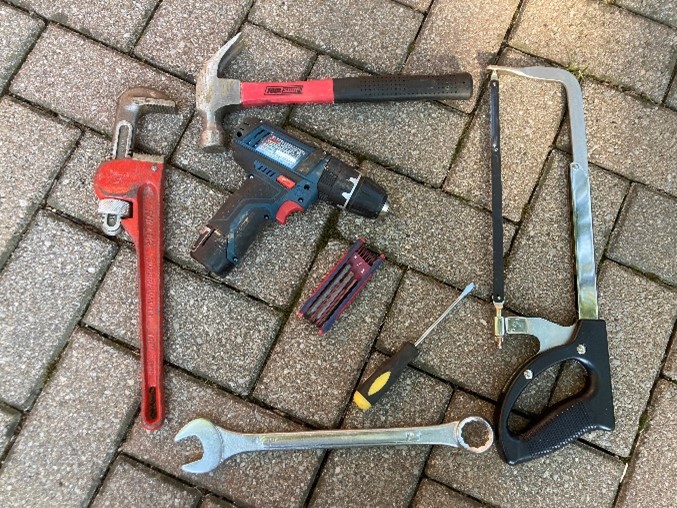
Many professions requiring investing in tools specific to their trade to be successful.
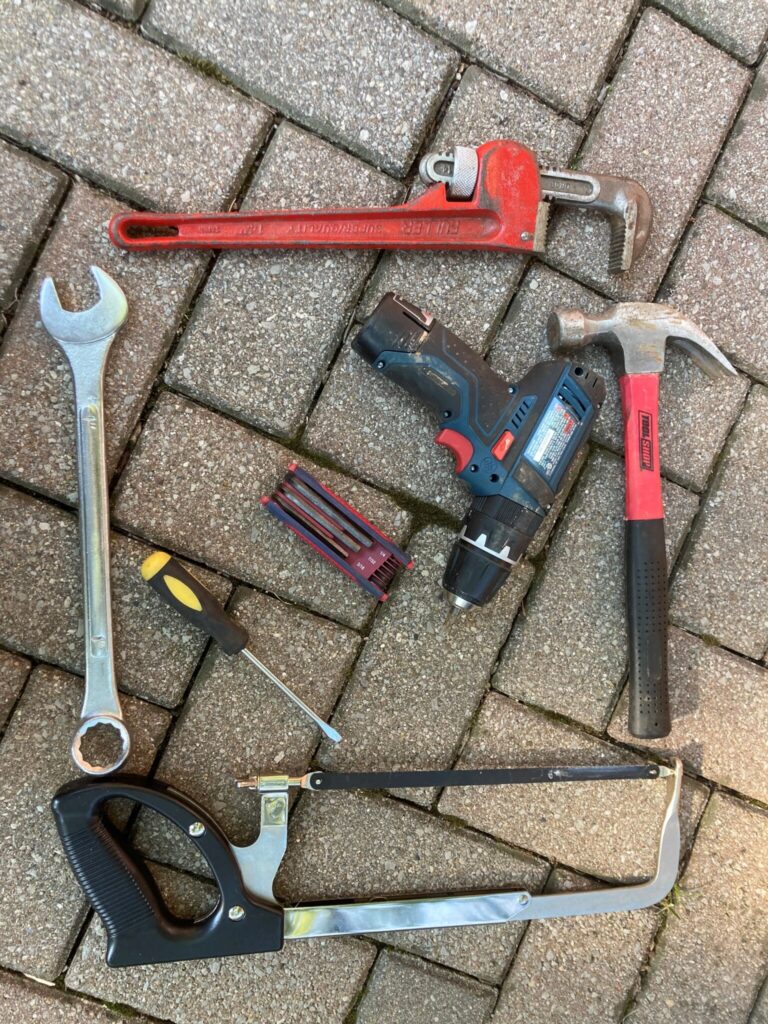
Many professions must invest in tools specific to their trade to be successful. Besides the typical tools of wrenches, screwdrivers, chisels and hammers, what other items or gadgets would be helpful to be a successful forage producer?
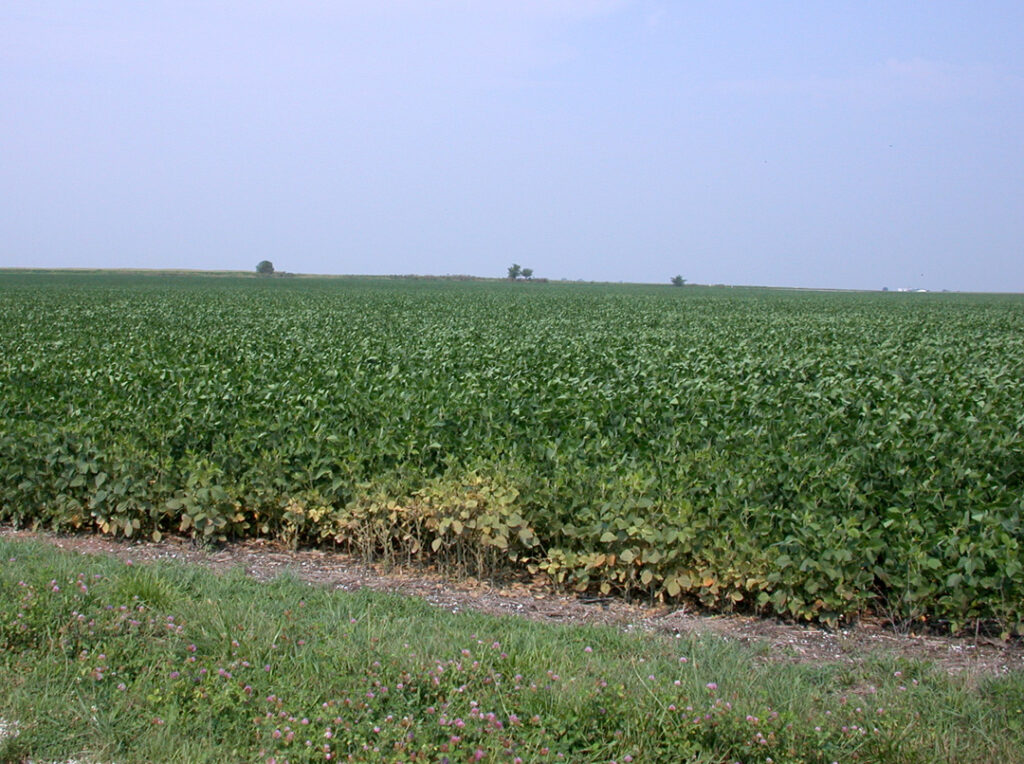
Some areas of Indiana remain very dry and concerns of spider mites moving into fields from parched field/road sides increase.
Samples of timothy hay, with outward symptoms of drought stress, were sent to Purdue’s Plant & Pest Diagnostic Lab.
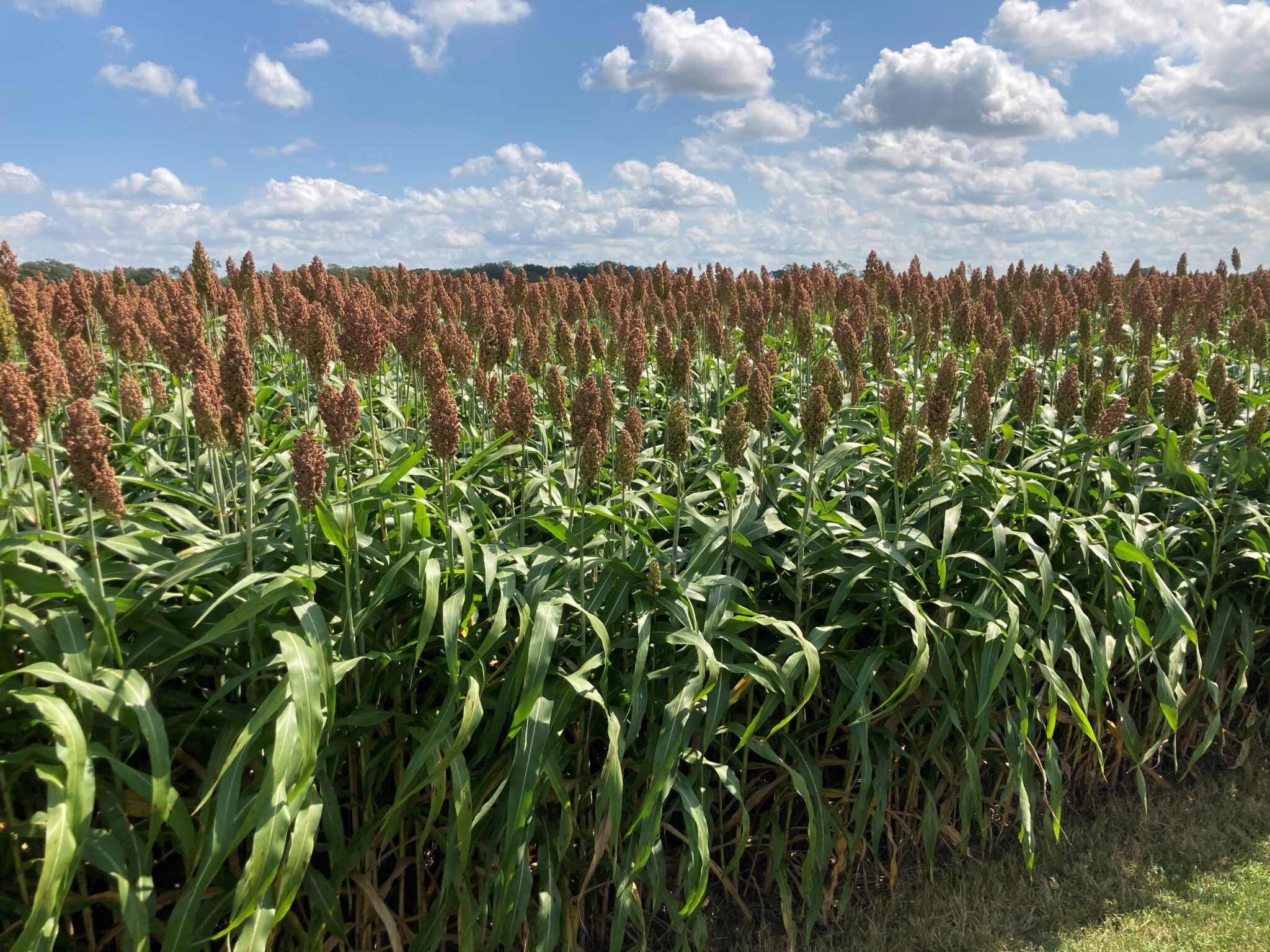
Corn is an excellent silage crop. However, if corn harvested as silage has lost yield potential and forage quality the last several years because of tar spot, maybe an alternative to consider is forage sorghum.
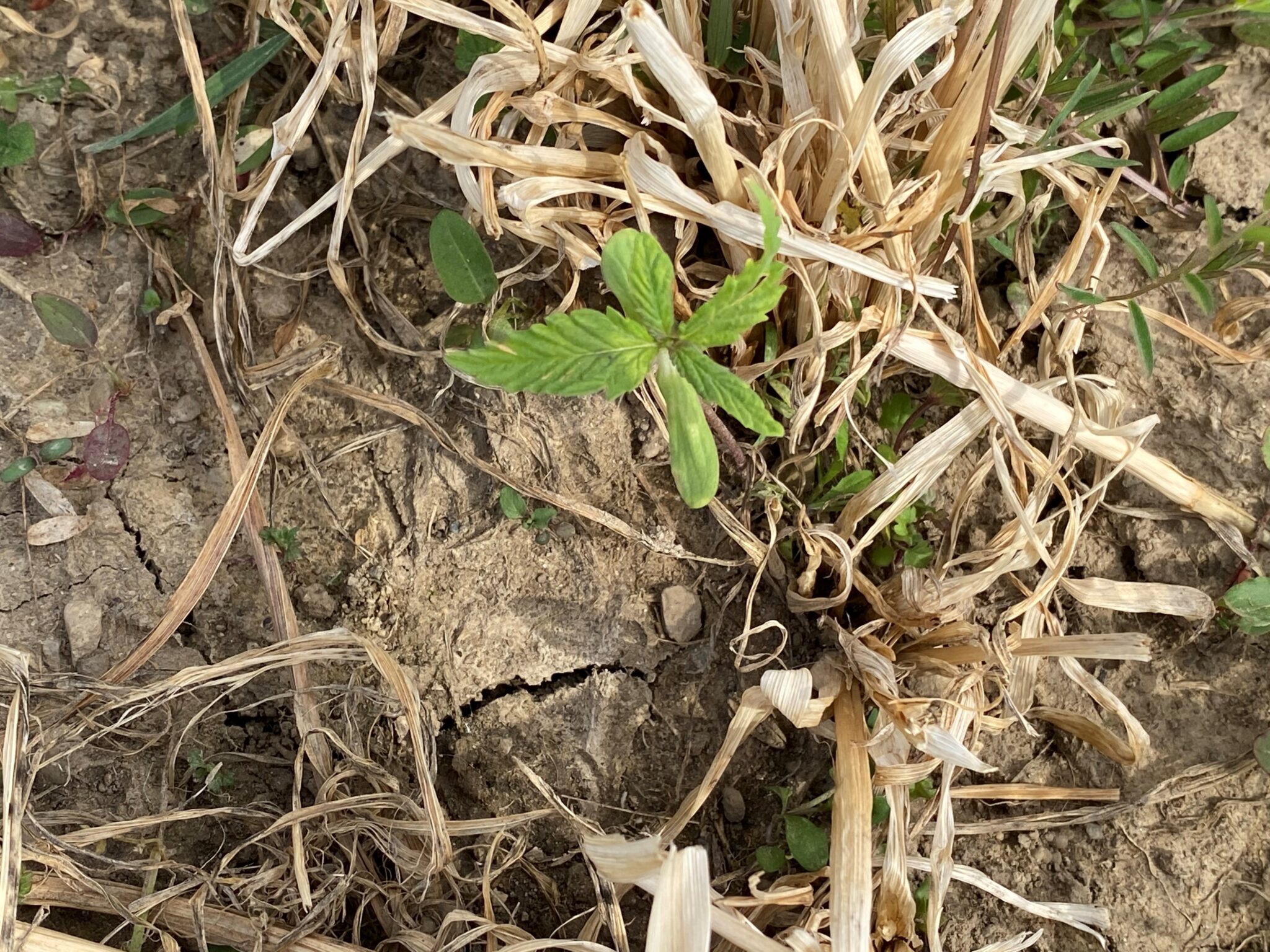
Volunteer hemp is up in fields where the seed was dropped the previous season.
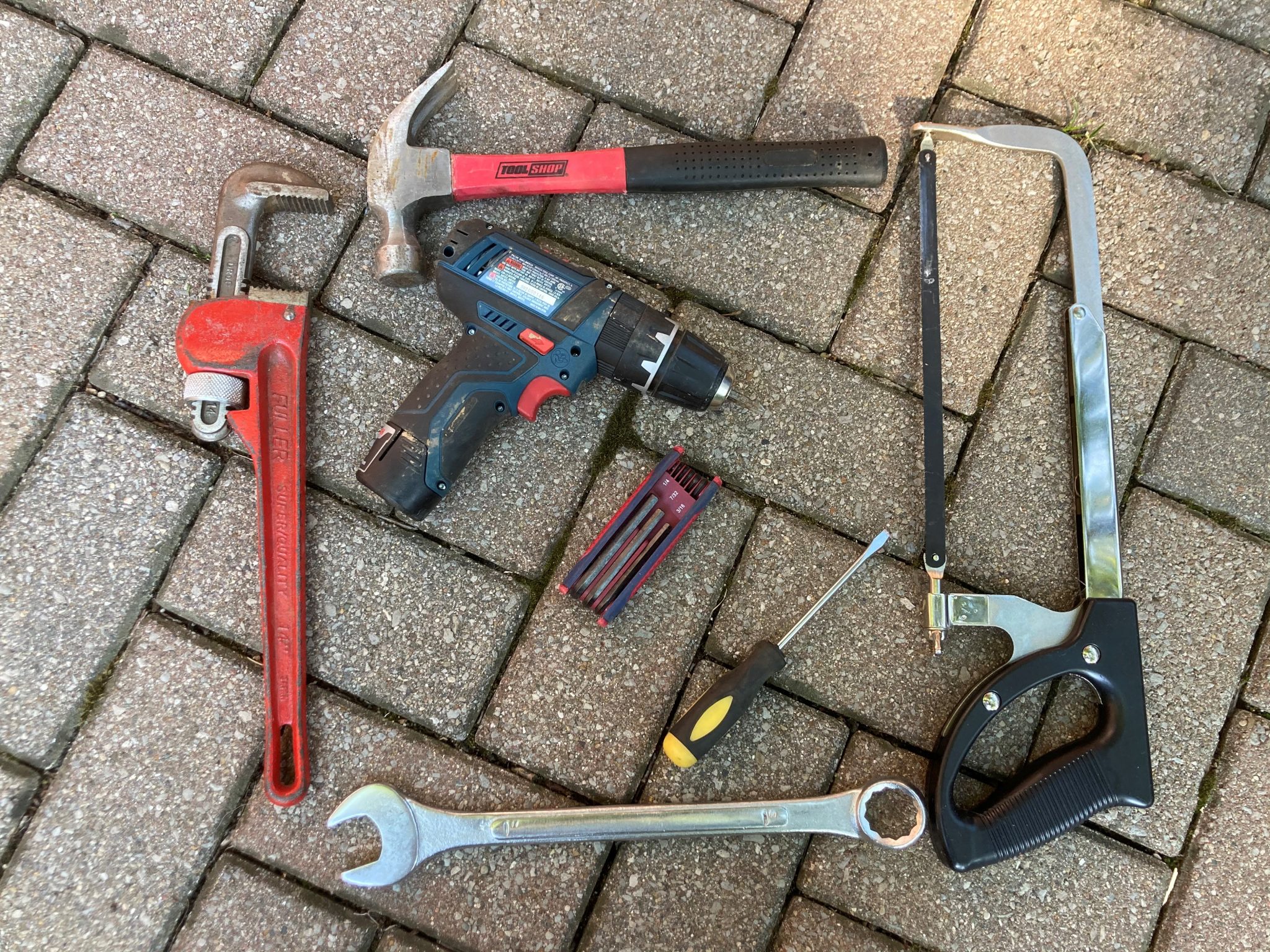
Many professions must invest in tools specific to their trade to be successful. Besides the typical tools of wrenches, screwdrivers, chisels and hammers, what other items or gadgets would be helpful to be a successful forage producer? People Find professionals that are knowledgeable, responsive, and have a passion for forages – Advisors should provide value Build good working relationships BEFORE a problem occurs Your county’s Purdue Agricultural and Natural Resources Extension Educator and Natural Resources Conservation Service office are valuable resources Join organizations that emphasize forages as a learning opportunity Excellent considerations would be the Indiana Forage Council (indianaforage.org) and your livestock interest association(s) Provides an opportunity to network with people of like interests Resource materials that emphasize forages Forage magazines, websites, podcasts, apps, and publications A great value is the Purdue Forage Field Guide (ID-317) A helpful weed control guide is WS-16-W. Order both at edustore.purdue.edu. Purdue Plant and[Read More…]
© 2024 Purdue University | An equal access/equal opportunity university | Copyright Complaints | Maintained by Pest&Crop newsletter
If you have trouble accessing this page because of a disability, please contact Pest&Crop newsletter at luck@purdue.edu.