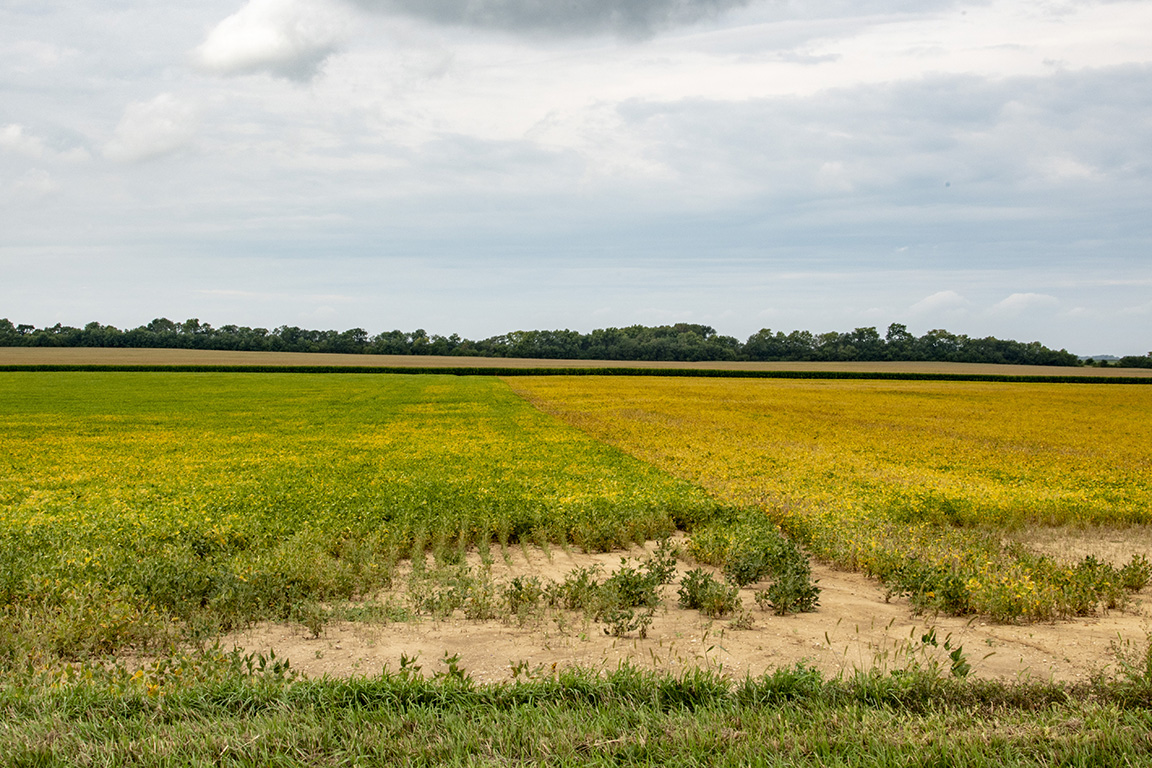
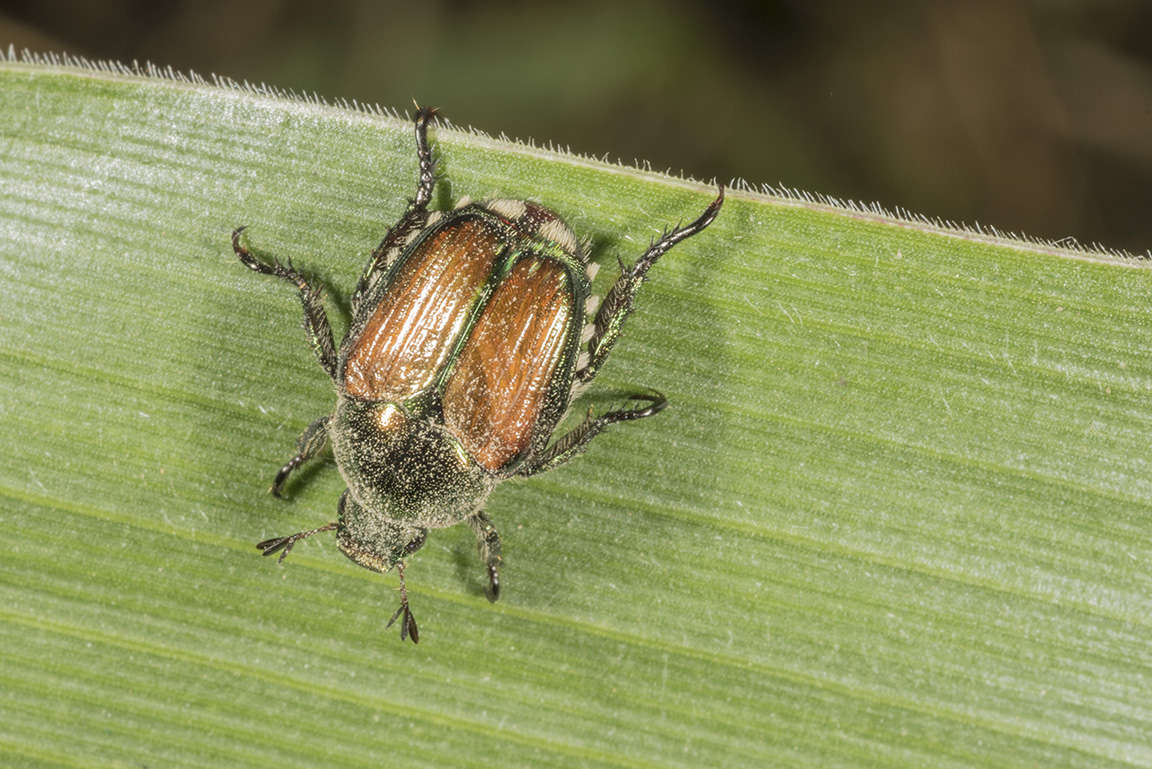
Though Japanese beetle numbers and their defoliation to soybean typically get lots of mid-season attention, their pressures seemed to be lower this year.
Though Japanese beetle numbers and their defoliation to soybean typically get lots of mid-season attention, their pressures seemed to be lower this year.
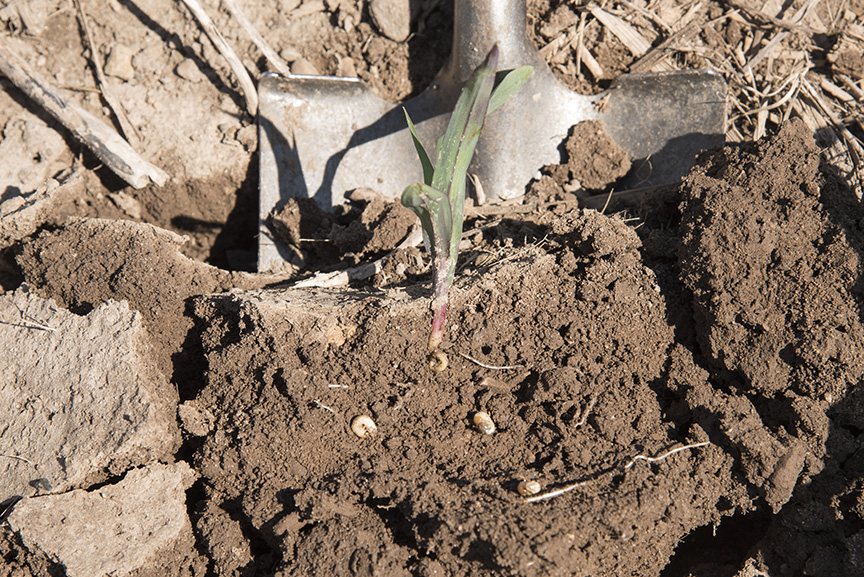
Grubs of the Asiatic garden beetle have been recently found damaging corn seedlings in northern Indiana counties.
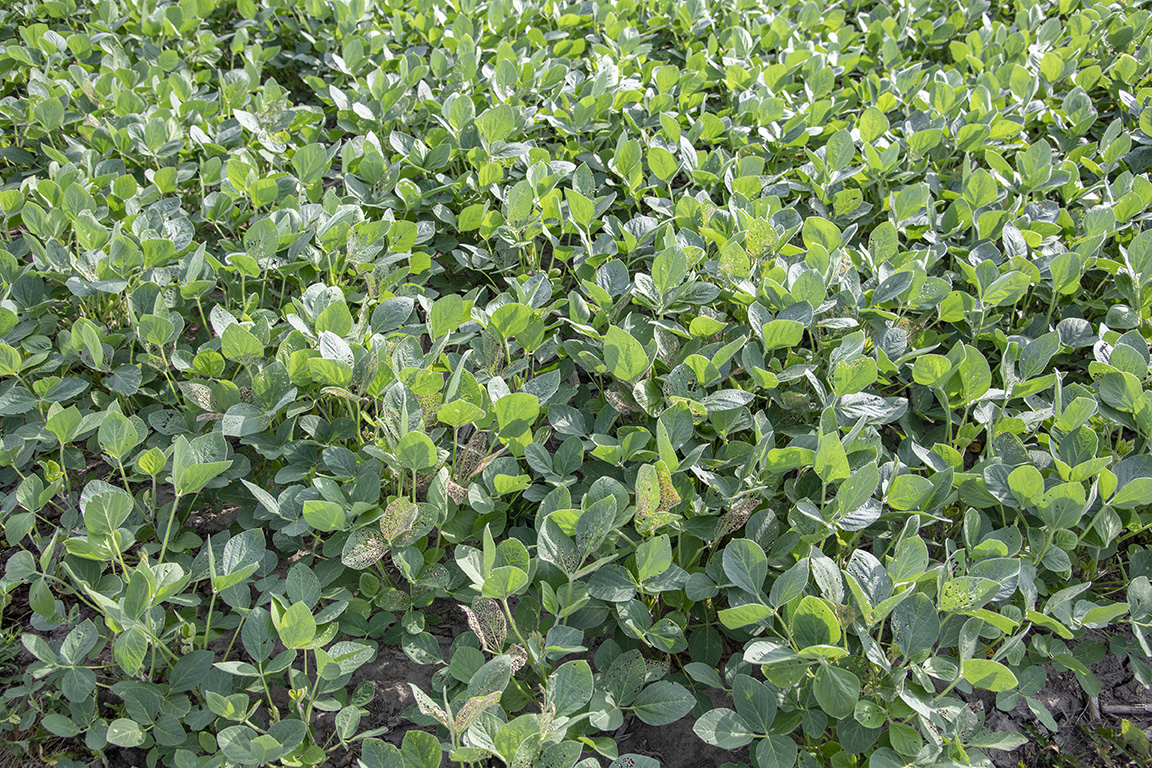
In speaking with producers, it is obvious that soybean defoliation (aka, leaf removal), especially by Japanese beetle, irritates them.
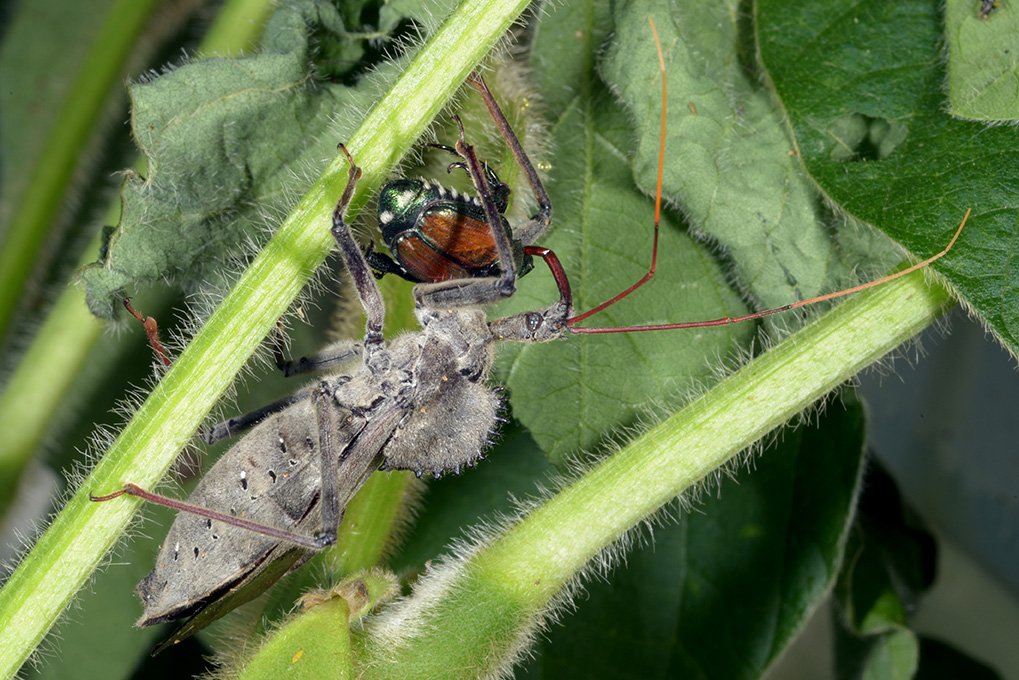
This season’s extended fall has allowed many plants and insects remain growing and active.

Pollination in corn is the act of transferring pollen from the tassels to the emerged silks of the ear.
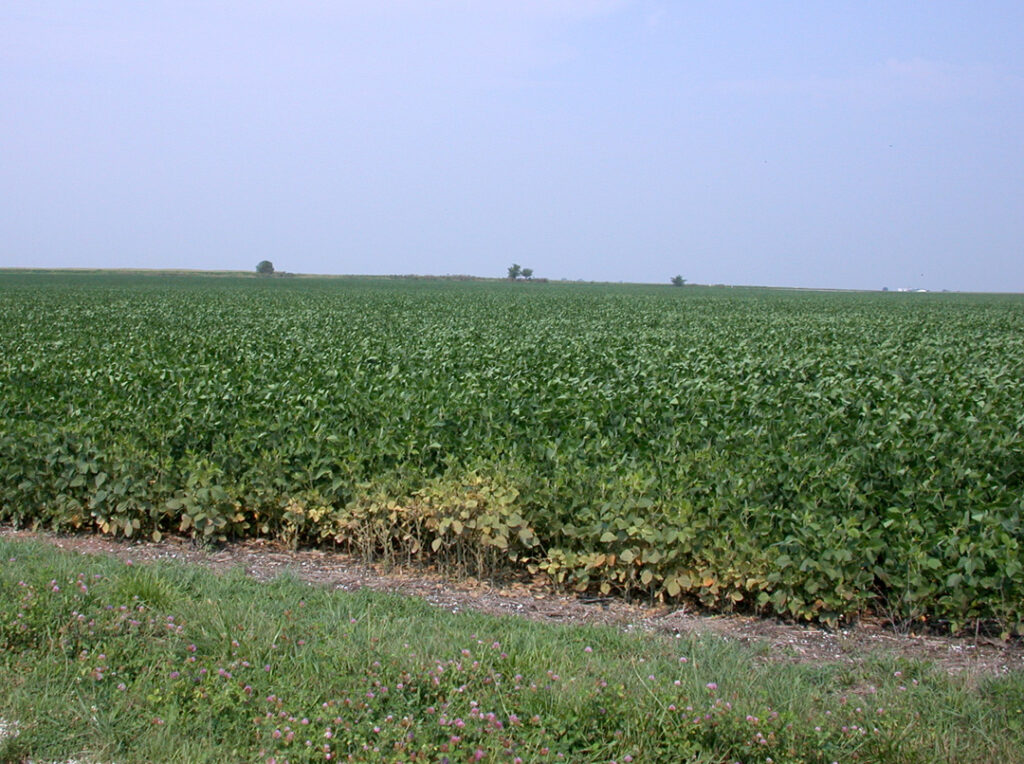
Some areas of Indiana remain very dry and concerns of spider mites moving into fields from parched field/road sides increase.
As many have asked, or made note, insect pest numbers seem lower this season. No surprise that the moisture and temperature extremes have had an impact, especially those insects depending on the soil to complete at least a portion of their life cycle.
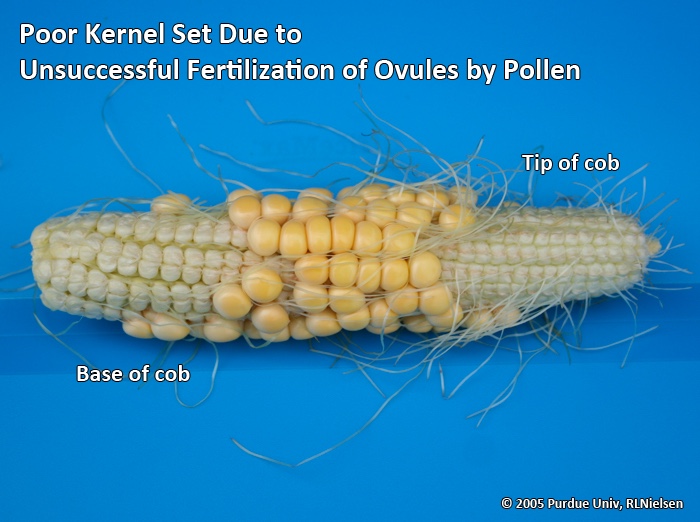
The post-pollination scuttlebutt overheard in coffee shops throughout Indiana during late summer often revolves around the potential for severe stress that might reduce kernel set or kernel size in neighborhood cornfields.
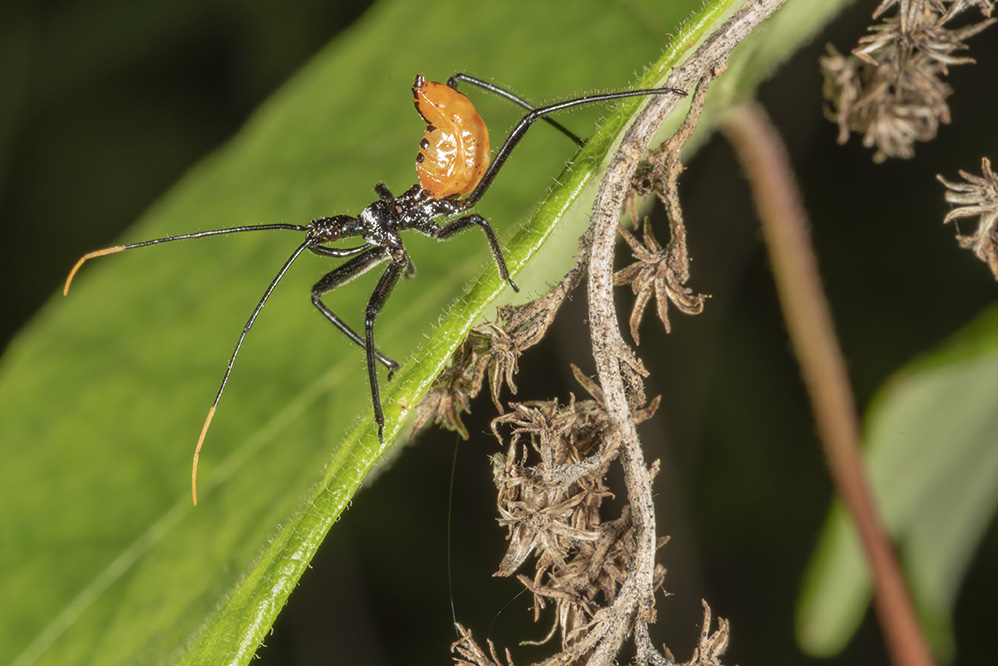
It is not uncommon to receive samples and pictures of “bugs” from family, friends and neighbors.
The post-pollination scuttlebutt overheard in coffee shops throughout Indiana during late summer often revolves around the potential for severe stress that might reduce kernel set or kernel size in neighborhood cornfields.
© 2024 Purdue University | An equal access/equal opportunity university | Copyright Complaints | Maintained by Pest&Crop newsletter
If you have trouble accessing this page because of a disability, please contact Pest&Crop newsletter at luck@purdue.edu.