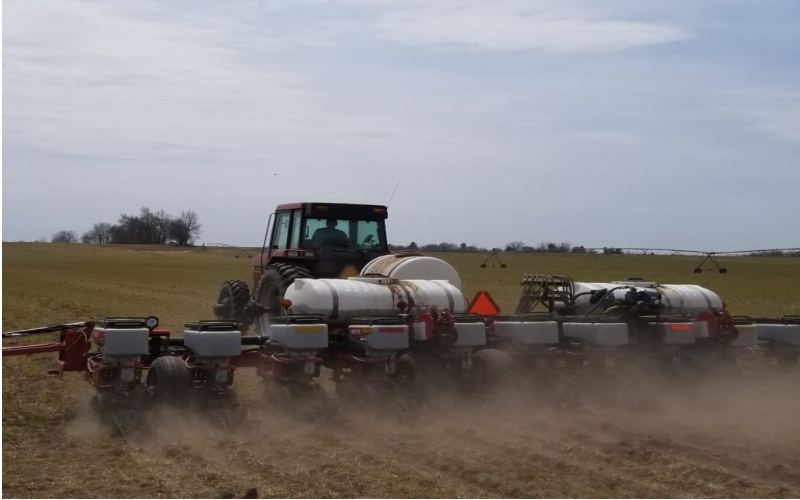
The key to maximizing corn yield is largely driven by minimizing the impact of potential yield-limiting factors during the growing season.
The key to maximizing corn yield is largely driven by minimizing the impact of potential yield-limiting factors during the growing season.
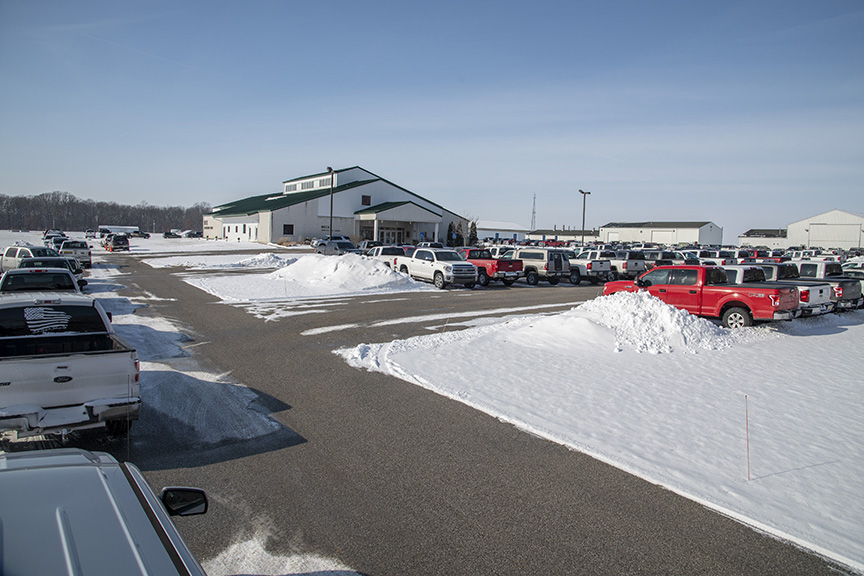
Purdue’s 2022 Crop Management Workshop, Thursday January 27, 2022.
Pest&Crop Survey 2021
With fertilizer being scarce and/or expensive there has never been a better time to fine-tune fertilizer use.
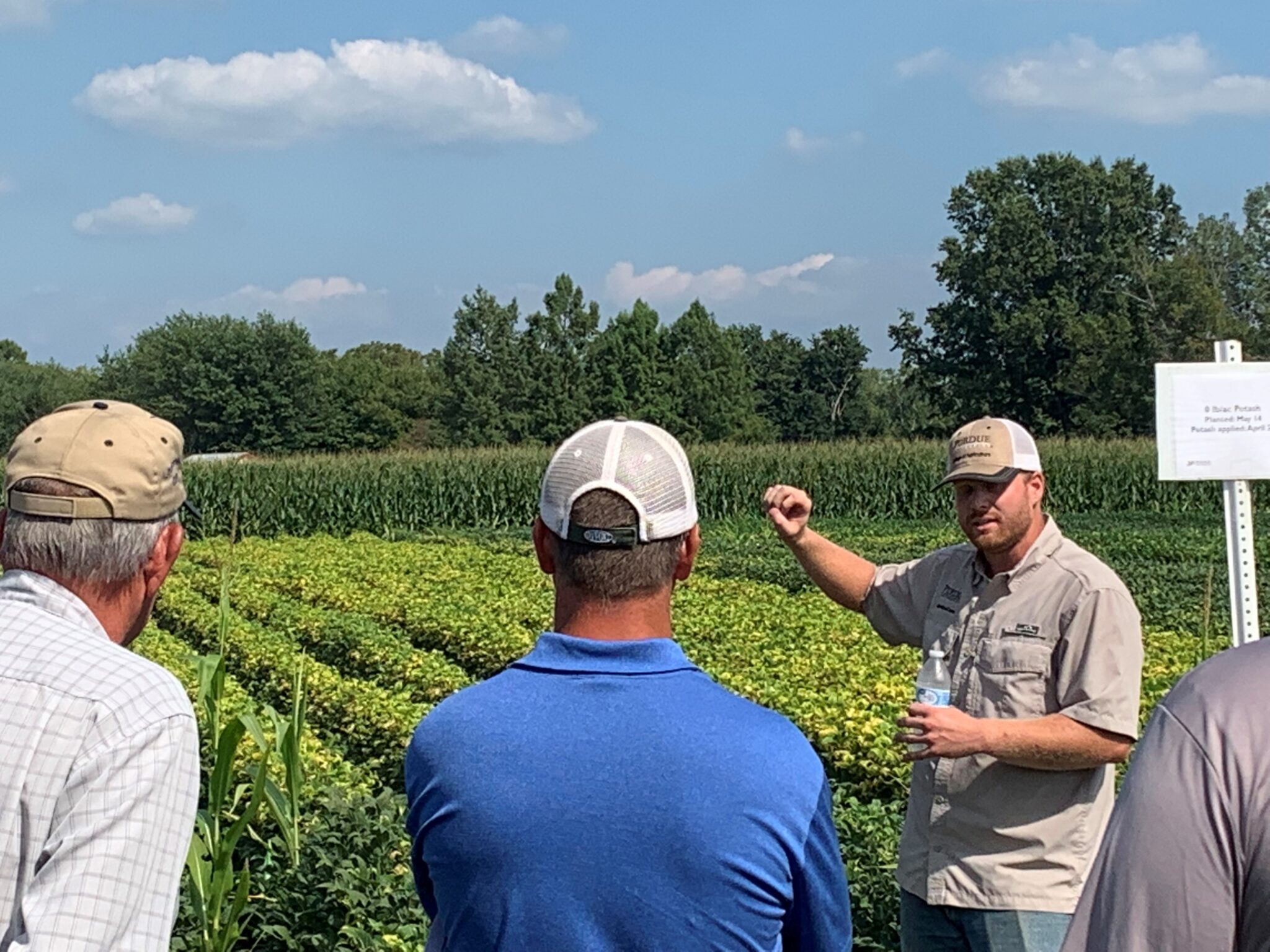
Fertilizer rate decisions have more potential impact on profits when soil test levels of a nutrient are deficient, because yield can be decreased by nutrient deficiency to an extent that offsets the savings of reduced fertilizer rates.
Pest&Crop Survey 2021
The Grain Post-Harvest & Recertification Workshop, hosted by the Purdue DTC is geared toward farmers, commercial grain storage handlers, pest management professionals and food processing quality-control managers.
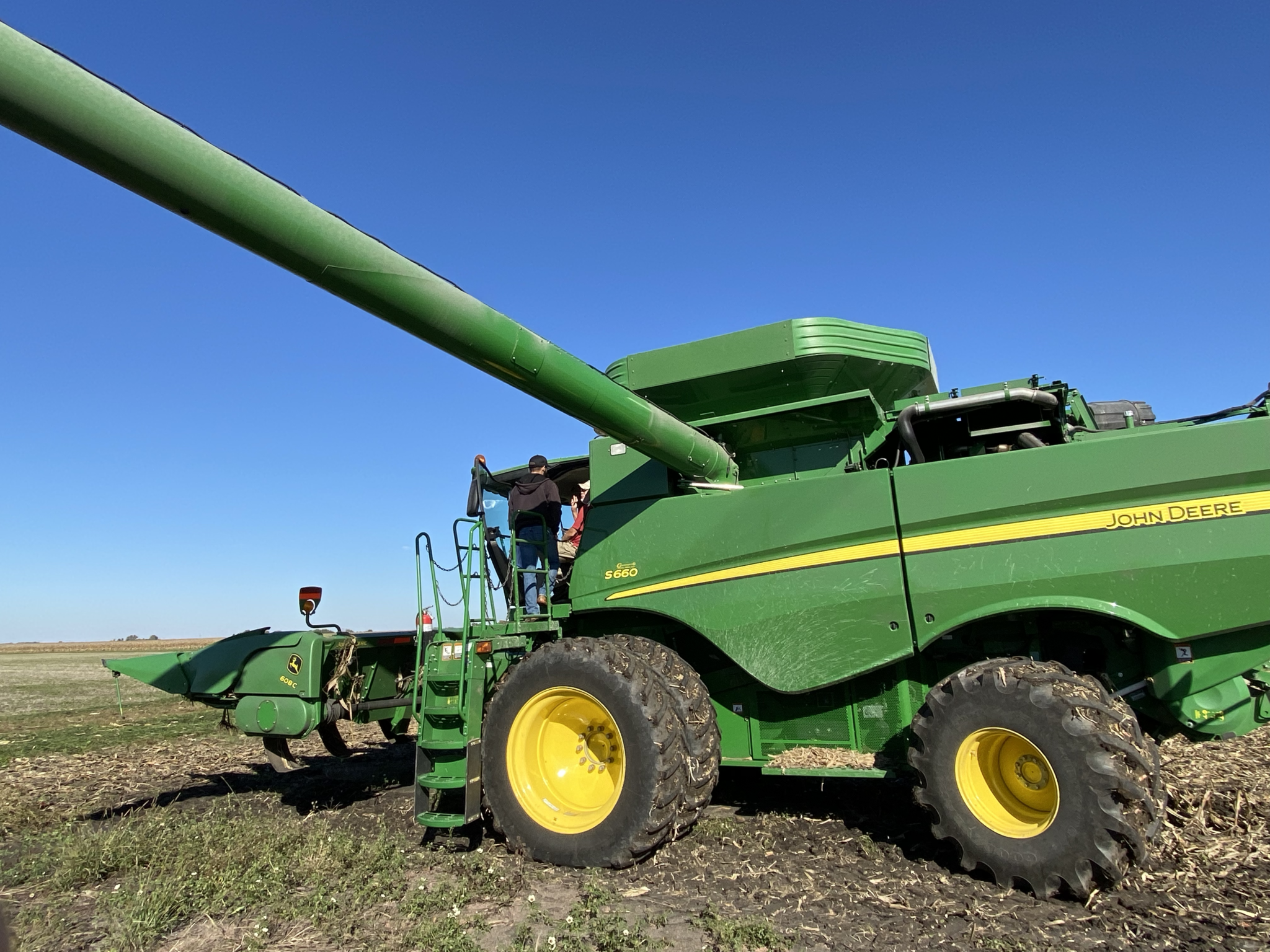
This week marks the first time that corn harvest progress has dropped below the 5-year average for 2021.
This report summarizes corn yield response to fertilizer nitrogen (N) rate in field-scale trials conducted
around the state of Indiana since 2006.
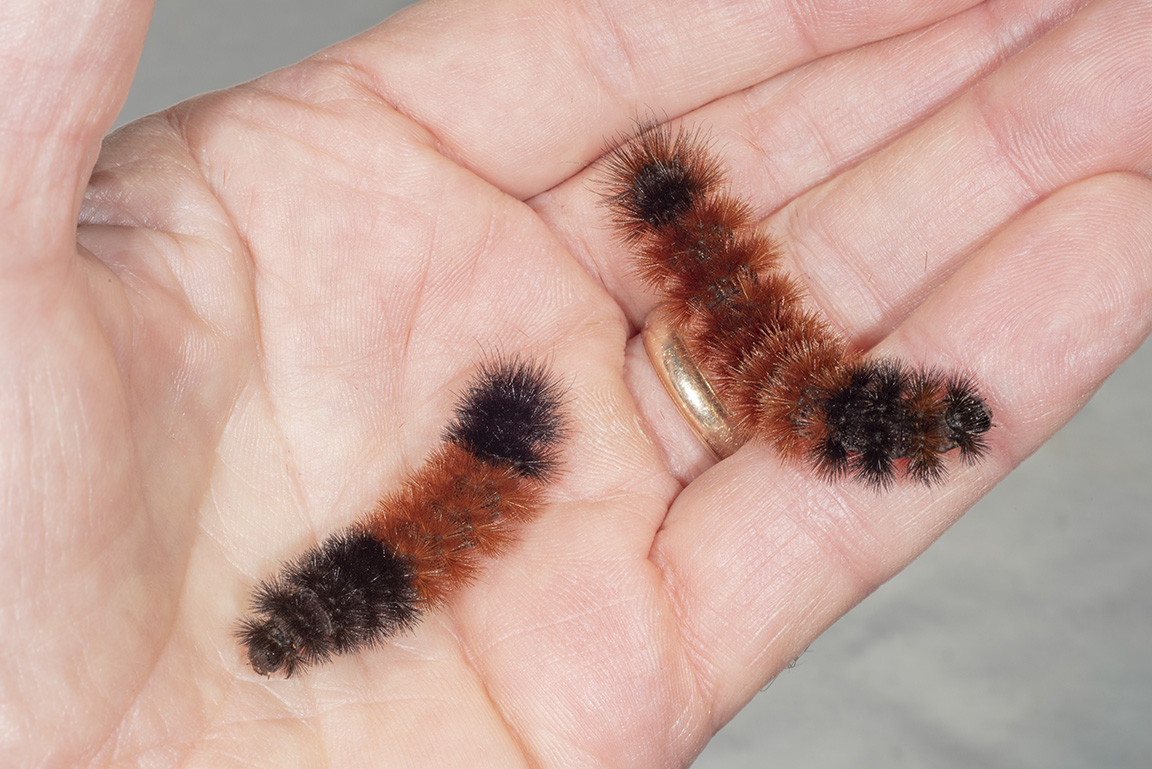
While traveling a local county road this week, I was amazed at the number of woolly bear caterpillars I came across. At one particular location, they were crossing en masse from one weedy, unharvested soybean field to a grass pasture.
© 2026 Purdue University | An equal access/equal opportunity university | Copyright Complaints | Maintained by Pest&Crop newsletter
If you have trouble accessing this page because of a disability, please contact Pest&Crop newsletter at luck@purdue.edu.