Results from 97 field scale trials around Indiana since 2008 suggest that maximum yield response to plant populations for 30-inch row corn grown under minimal to moderate stress conditions occurs at about 32,150 PLANTS per acre (ppa), equal to seeding rates of about 33,840 SEEDS per acre (spa).
108 articles tagged "corn".
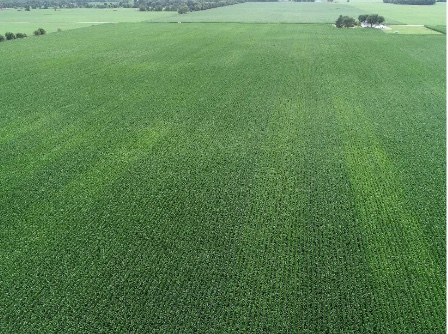
Sulfur (S) deficiency is becoming more common in Indiana crops because S emissions from coal-fired power plants have decreased over the past few decades and, thus, so has atmospheric S deposition.
The Purdue Crop Performance Program (PCPP) annual Corn and Soybean Performance Trial Bulletin was recently posted online.
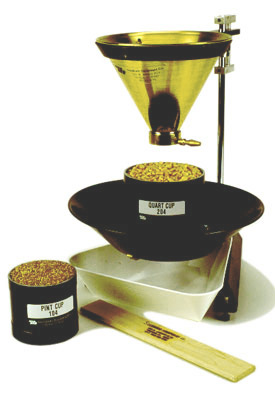
Among the top 10 most discussed (and cussed) topics at the Chat ‘n Chew Cafe during corn harvest season is the grain test weight being reported from corn fields in the neighborhood.
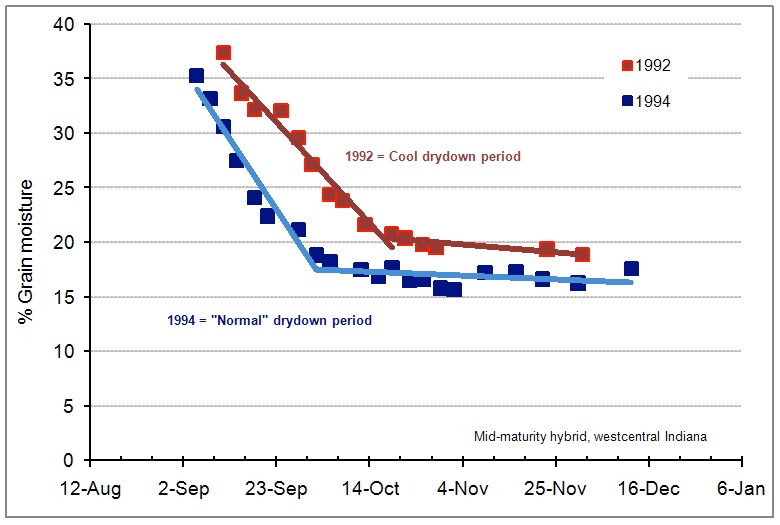
Delayed maturity of corn due to late planting or simply cool growing seasons often translates into delayed or slow drydown of mature corn grain prior to harvest and, consequently, higher than desired grain moisture contents at harvest. Wetter grain at harvest increases the need for artificially drying the grain after harvest which, in turn, increases the growers’ production costs and can delay the progress of harvest itself.

Periods of severe stress can do all sorts of strange things to crops. One oddity that has been reported by a number of folks this year is often described as “ears outgrowing their husks.”
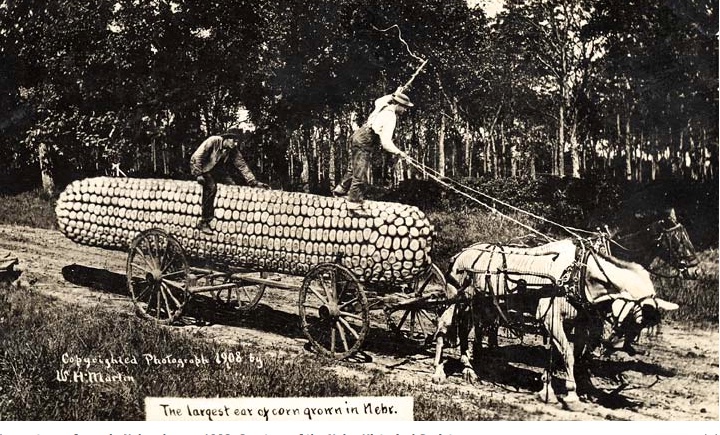
Fancy colored yield maps are fine for verifying grain yields at the end of the harvest season, but bragging rights for the highest corn yields are established earlier than that down at the Main Street Cafe, on the corner of 5th and Earl.
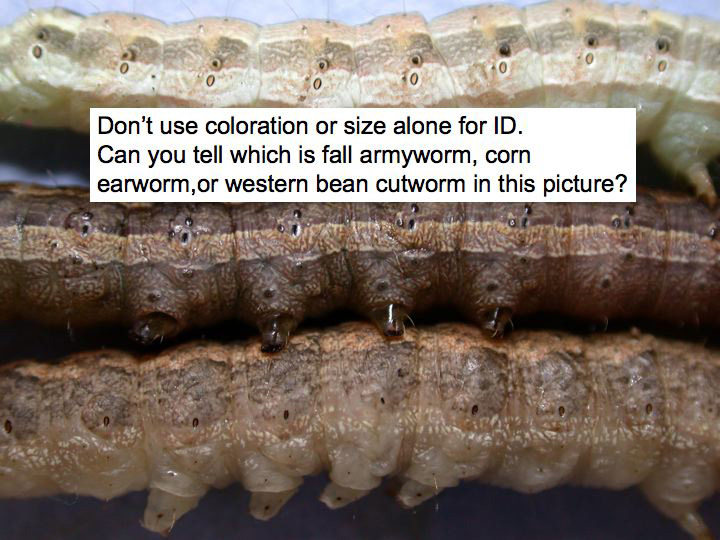
Several caterpillars in the ear can be very similar in appearance and habits, so identification to species of some of the worms in ears can be tricky. Note that, in general, you cannot use overall body color or damage for identification.
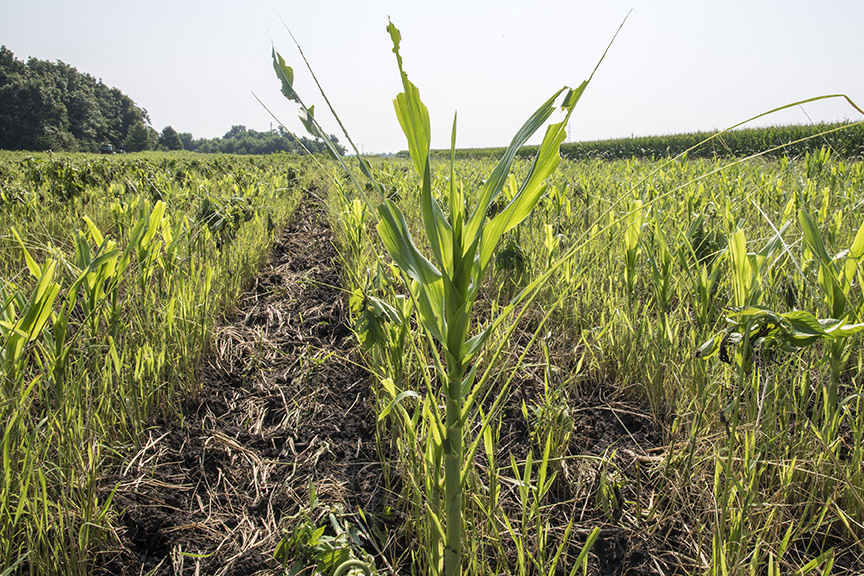
In mid-June, we wrote in the Pest&Crop about the second surge of armyworm moths and suggested that dense, lush grasses (e.g., pasture) could be at risk.
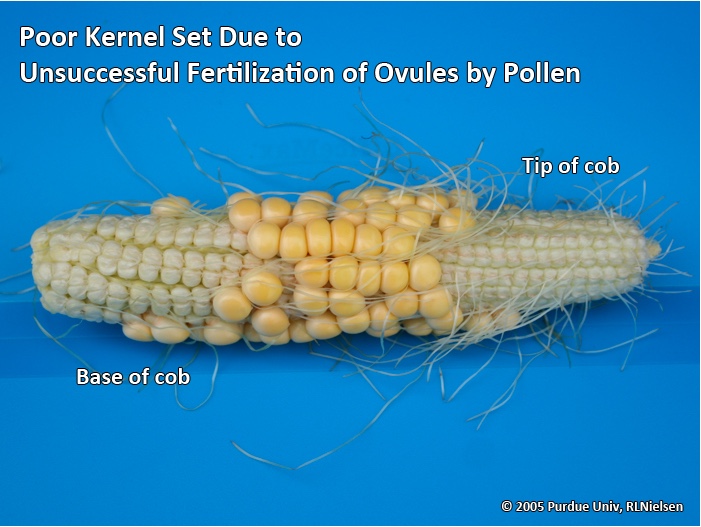
The post-pollination scuttlebutt overheard in coffee shops throughout Indiana during late summer often revolves around the potential for severe stress that might reduce kernel set or kernel size in neighborhood cornfields.