Weeds pose a significant challenge for hemp growers. In addition to competing for water, sunlight, and nutrients, weeds also contaminant yield.
445 articles tagged "Agronomy Tips".
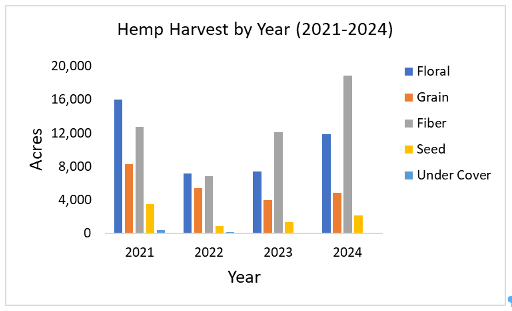
Hemp production in the United States has experienced significant fluctuations since the passage of the 2018 Farm Bill, which removed hemp from the controlled substance list and established a national regulatory framework.
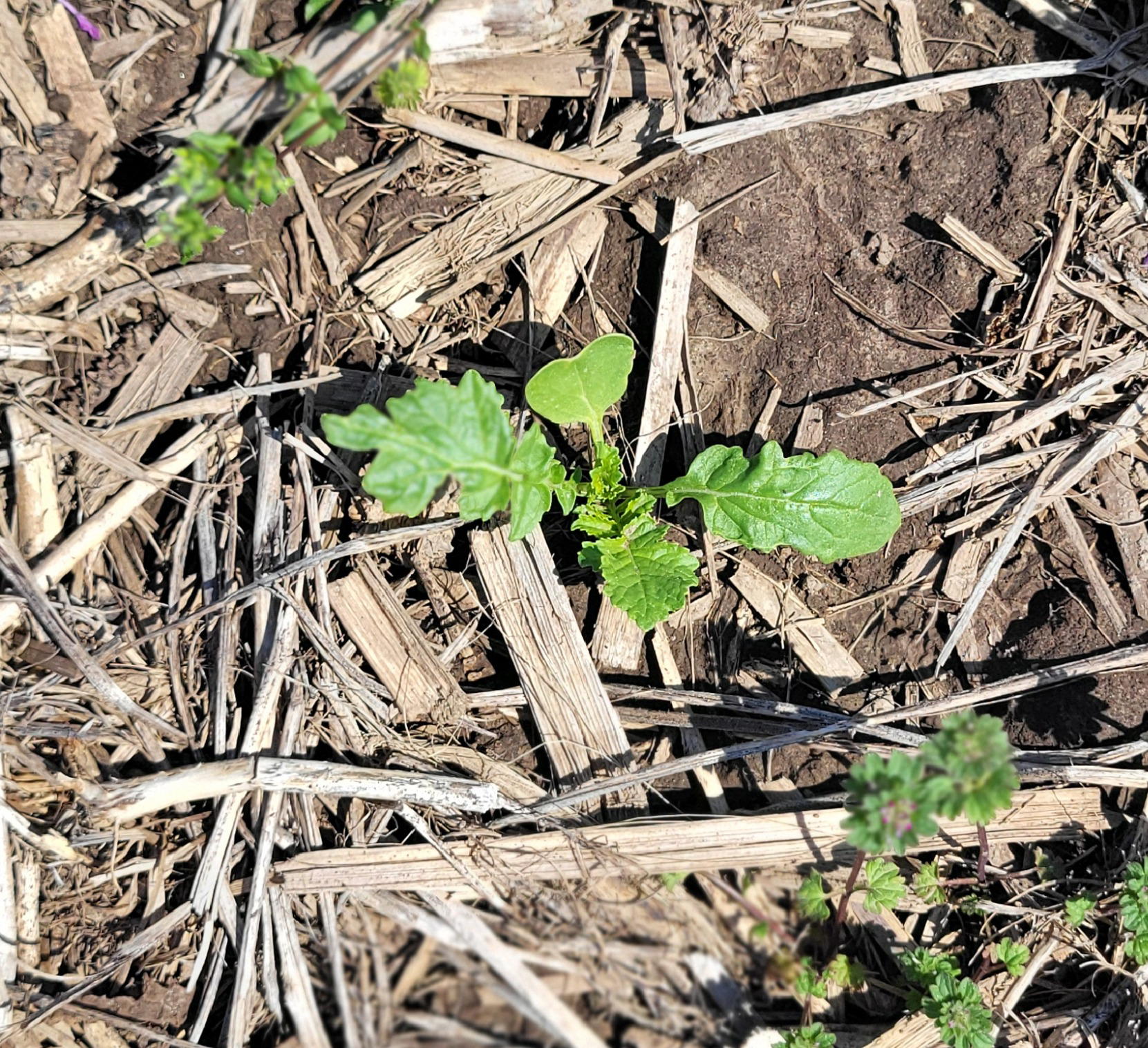
This past fall was a challenge to get cover crops established in many areas of the state due to the dry conditions we had last fall.
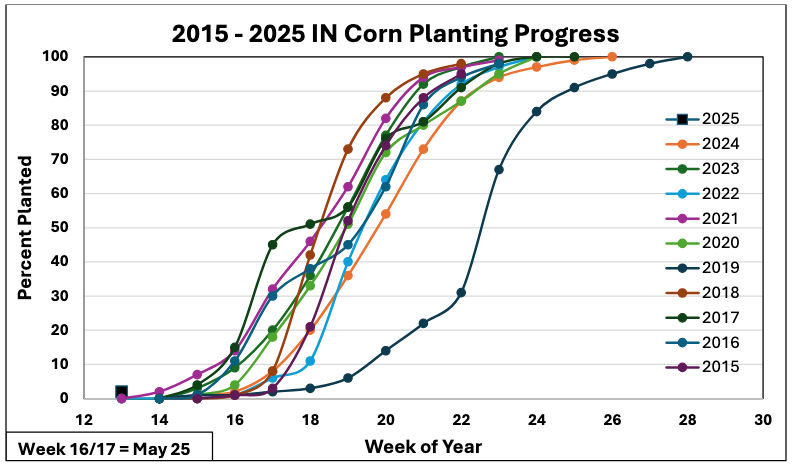
In Indiana, the prime planting window for corn is from April 20 to May 10.
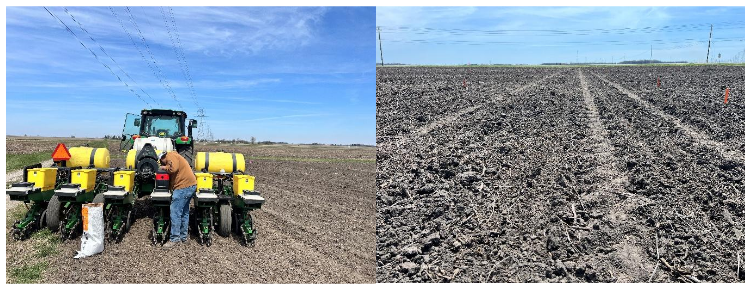
The first seed for the Purdue Corn Team was planted on April 16.
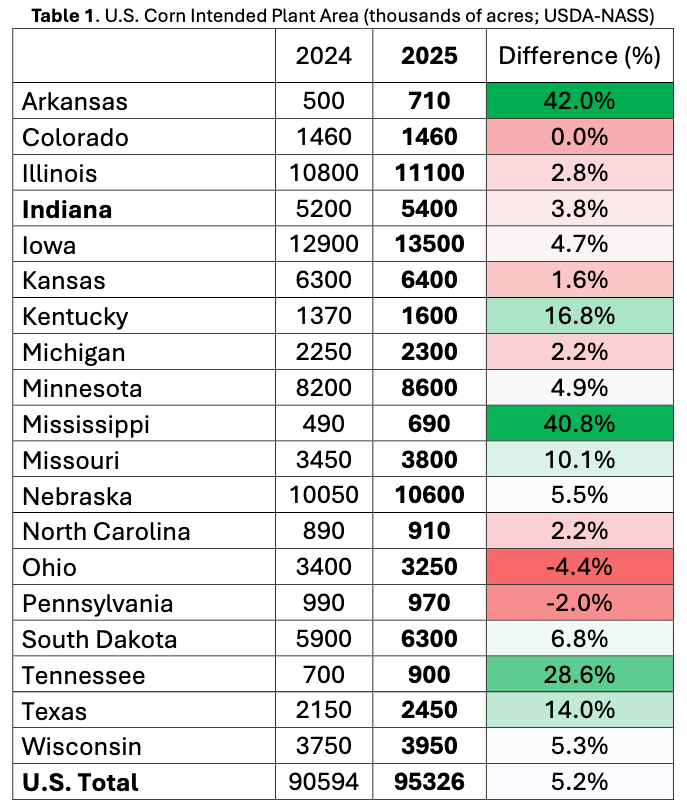
Big news: Corn acres are making a comeback!
After patiently waiting all winter for a warm and sunny break, we’re thrilled to finally have
the chance to get back in the field!
Hemp continues to draw interest from stakeholders in Indiana and elsewhere.
Prepared and updated annually by Christina Difonzo at MSU, this is your one-stop resource for deciphering Bt corn trade names and knowing which insecticidal traits are in your corn hybrids.
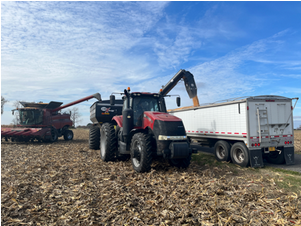
Corn is often harvested at grain moisture contents higher than the 15% moisture typically desired by grain buyers.