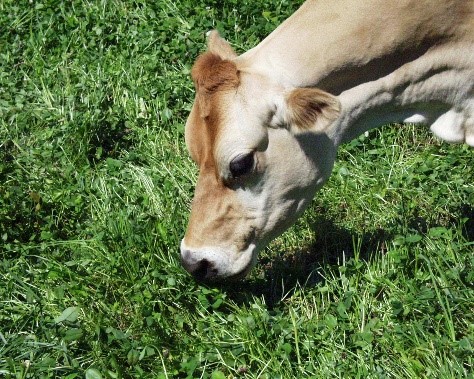
Want to learn how to improve grazing utilization? Attending a day and a half grazing school will be a great start to improving pasture utilization by your livestock.
Want to learn how to improve grazing utilization? Attending a day and a half grazing school will be a great start to improving pasture utilization by your livestock.
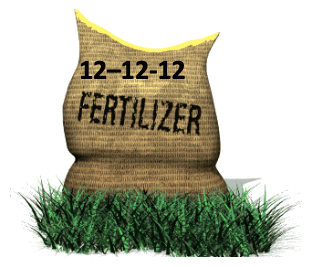
As Purdue University’s Extension Forage Specialist, there is one forage production practice recommendation that draws my ire and has become a major pet peeve; so much that every time the recommendation is offered I think I lose another hair follicle on my head and legs.
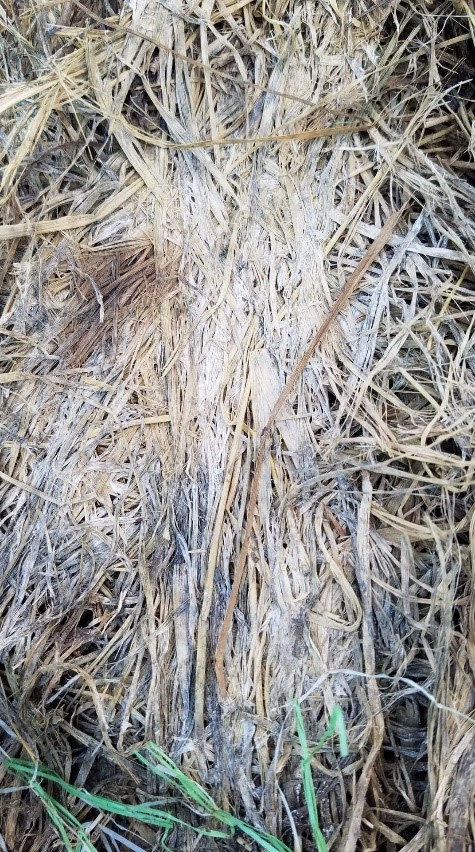
To make excellent quality hay, the forage needs to be cut at the right growth stage and packaged into a bale at the right moisture content without incidence of rain damage.
It is that time of year when much cool-season grass and legume hay is being made in Indiana.
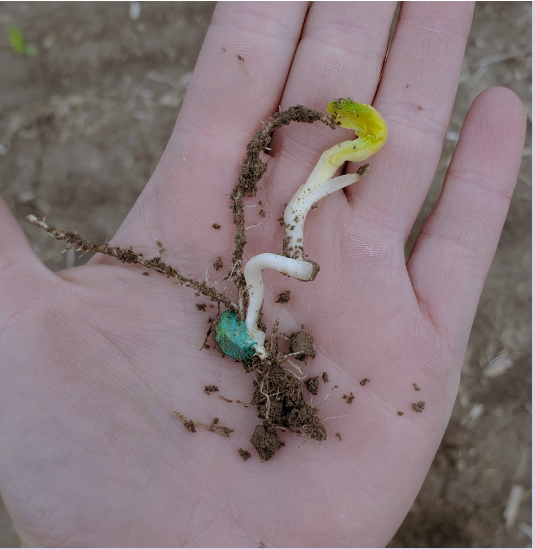
As a young agronomist, one of the first things I learned was that when assessing corn emergence and stand establishment following planting, is that it is always important to have a shovel with you.
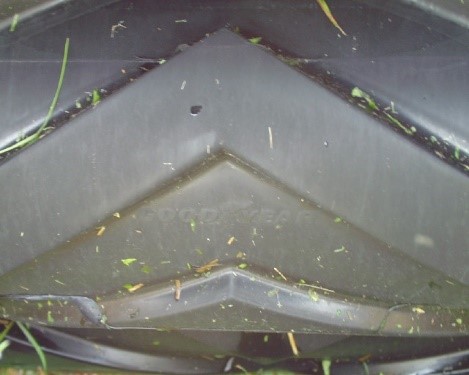
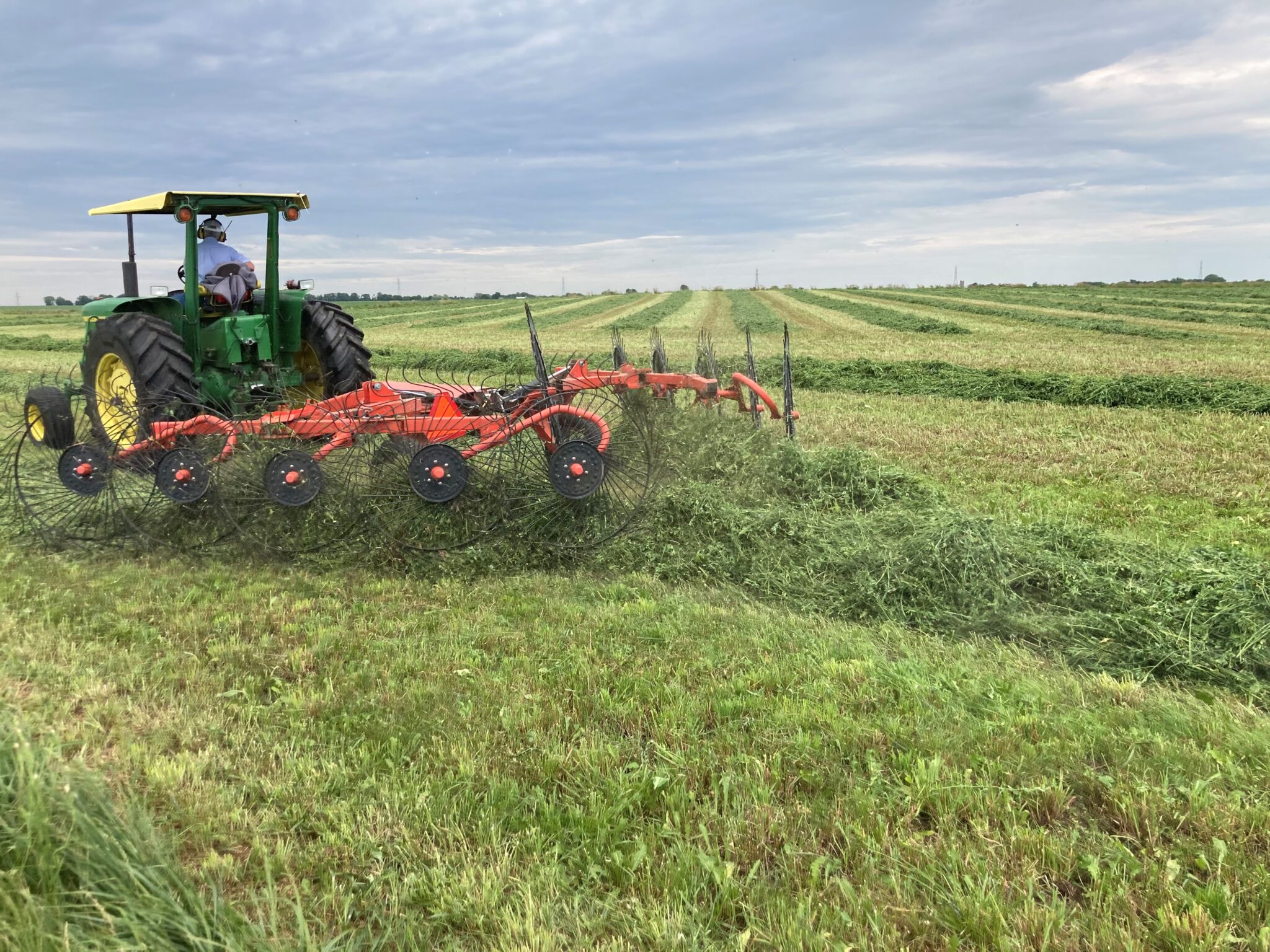
Mechanical conditioning the crop with rubber rollers (shown in picture) or steel rollers reduces hay drying time Harvest of cool-season perennial grasses and perennial legumes is beginning soon. Getting a standing forage crop that measures 75 percent moisture or more to a safe baling moisture of 18 to 20 percent moisture is “easier said than done”. Changing weather fronts pass through every third or fourth day making it a challenge to quickly dry hay. Research has shown that properly conditioning forage crops is the single most effective way to reduce curing time. Making the proper settings on your mower-conditioner will ensure the best economic return. When conditioning a forage crop, the goal should be to have 90 percent of the crop’s stems show some signs of a cracking or limpness. No more than 5 percent of the leaves should show signs of bruising or blackening from the conditioning process —[Read More…]
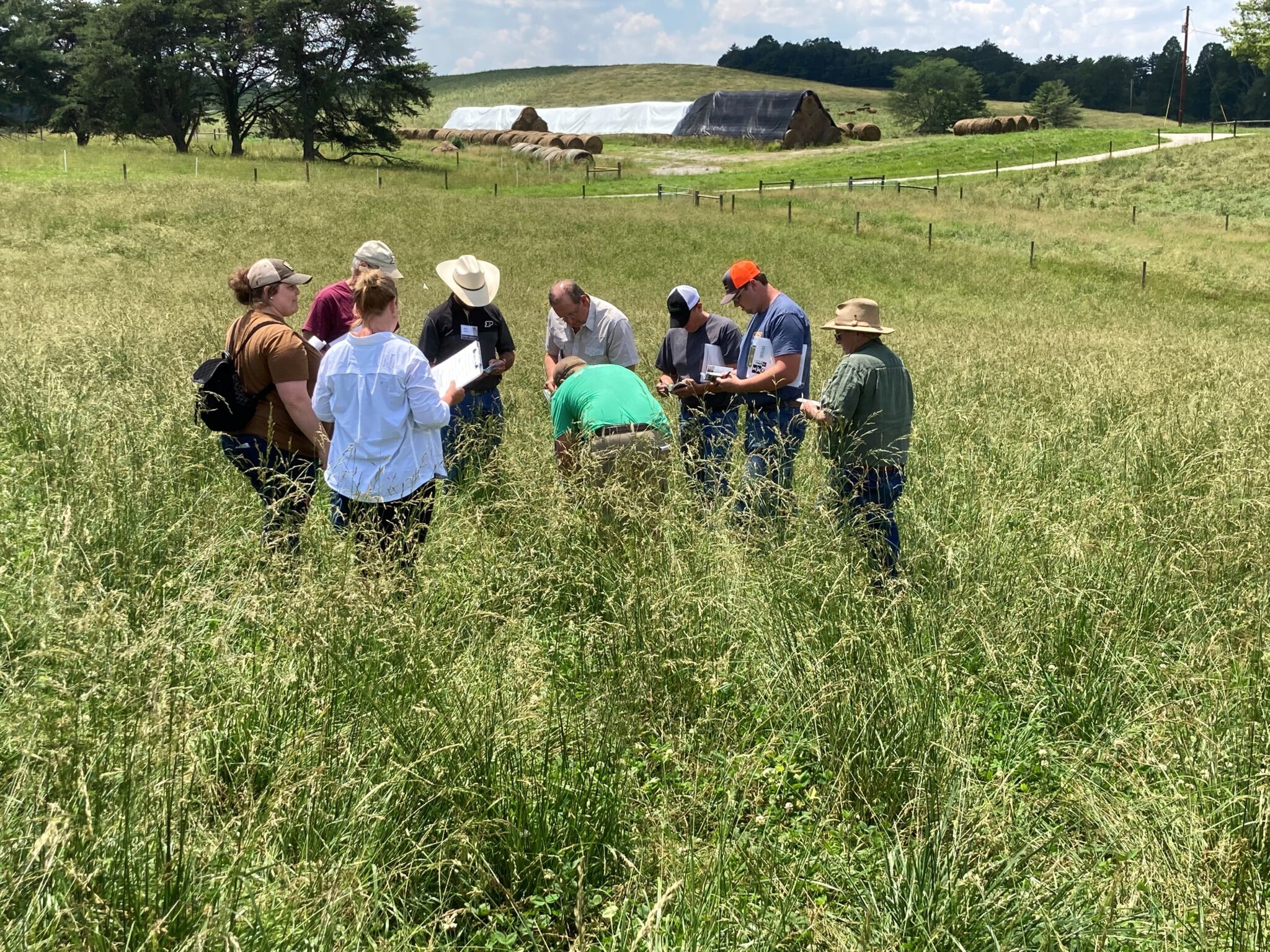
Grazing Schools Provide an Opportunity for Hands-on and Visual Learning WEST LAFAYETTE, Ind. – From the Indiana Forage Council and Purdue Extension, the Indiana Grazing School program returns this June. Livestock producers will have the opportunity to gain hands-on training in implementing improved grazing systems. The program is also hosted by the U.S. Department of Agriculture Natural Resources Conservation Service and the North Central Sustainable Agriculture Research and Education program. Topics to be covered include soil fertility, water delivery, fencing, grazing system options, animal health and plant identification. The program will offer two training sessions. The registration fee is $75 and covers the cost of management information and a meal and refreshments on the program’s second day. Additional attendees from the same operation can attend for a reduced $50 fee. Dates and locations for the Indiana Grazing School sessions are as follows: June 9-10, Southern Indiana Purdue Agricultural[Read More…]

Early planted corn always involves the risk of cold weather in the weeks after planting.
Hemp producers struggle to manage weeds and have very few herbicide options available, with no conventional herbicides registered for use prior to April 2023.
Once the corn seed is planted, the waiting game for the first corn plants to emerge begins, which also means assessing (or worrying) if any issues had occurred.
© 2026 Purdue University | An equal access/equal opportunity university | Copyright Complaints | Maintained by Pest&Crop newsletter
If you have trouble accessing this page because of a disability, please contact Pest&Crop newsletter at luck@purdue.edu.