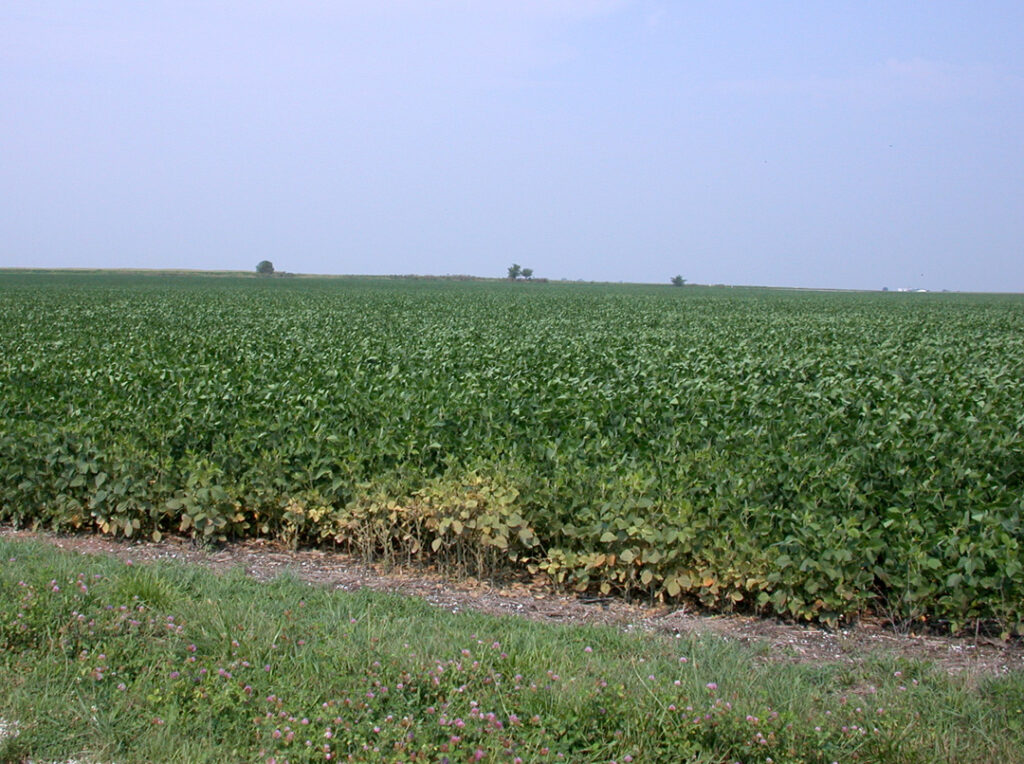
Some areas of Indiana remain very dry and concerns of spider mites moving into fields from parched field/road sides increase.
Some areas of Indiana remain very dry and concerns of spider mites moving into fields from parched field/road sides increase.
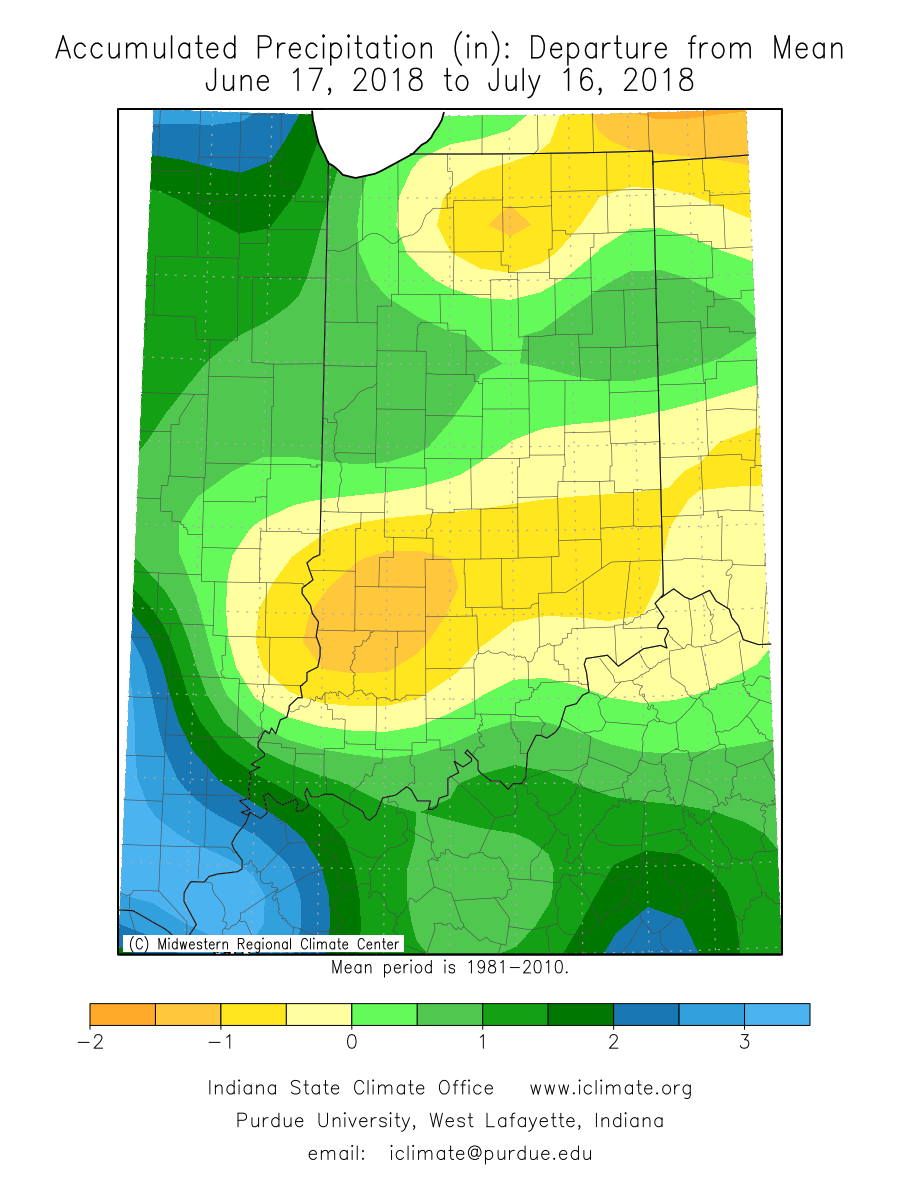
As some areas of Indiana are dry getting drier, there is more concern about the possibility about spider mites being a culprit for yellowing foliage.
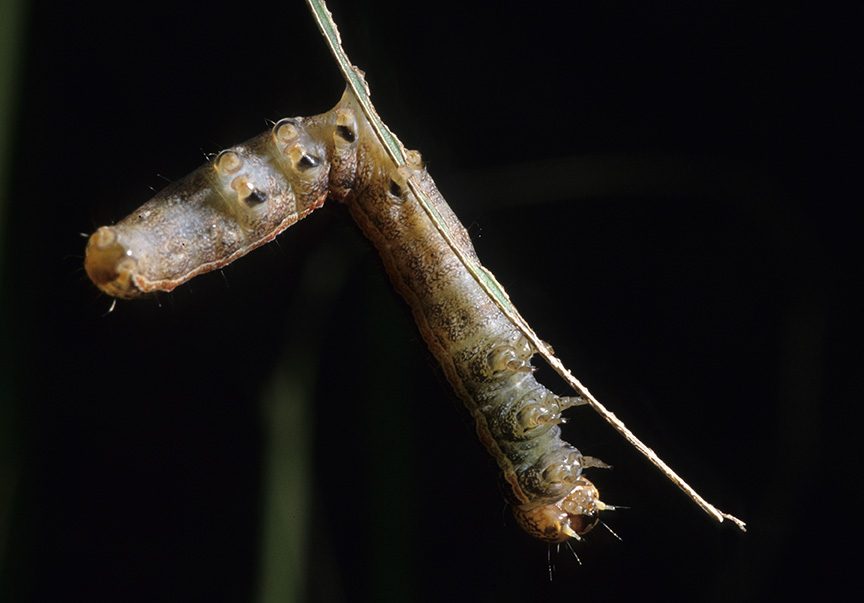
Many black cutworm trappers have captured large numbers of moths, see “Black Cutworm Pheromone Trap Report.” In trying to find levity during the Covid-19 pandemic, there have been various quips during their reports about this pest’s lack of adherence to our social distancing guidelines!
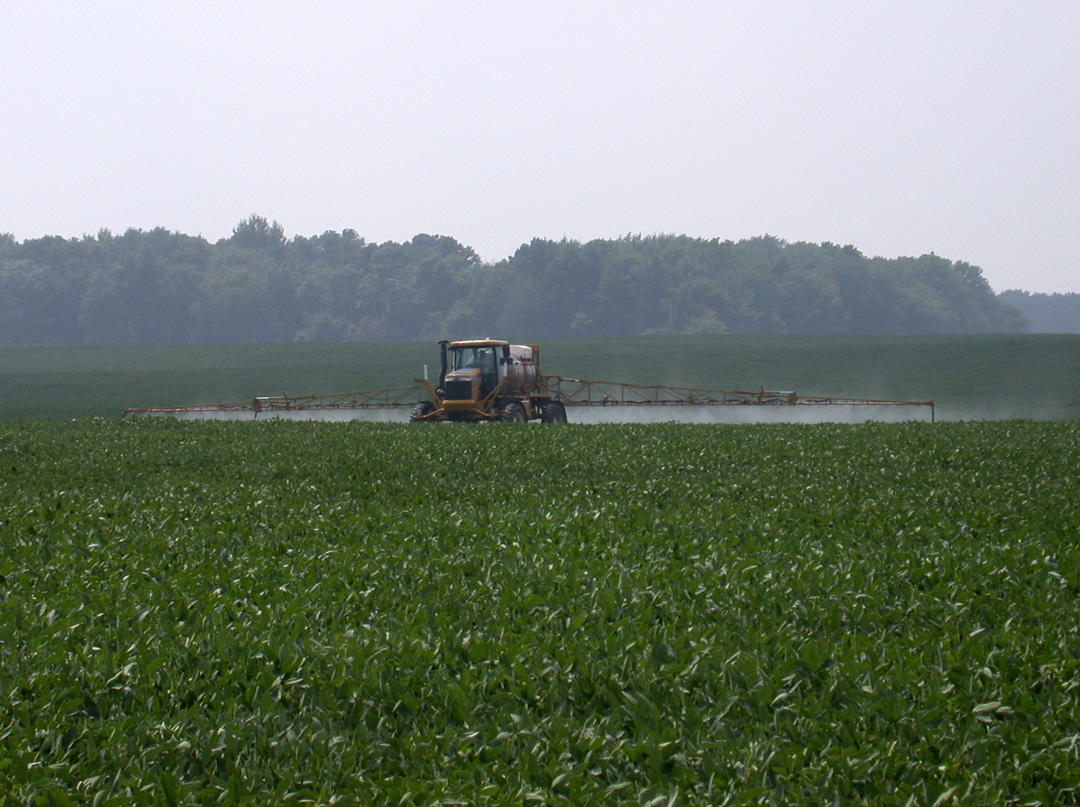
Dicamba has been with us since the 1960s, but has been given a new life thanks to plant scientists who have bred dicamba tolerant soybeans, a herbicide that in the past has been known to knock the leaves right off the plants.
© 2024 Purdue University | An equal access/equal opportunity university | Copyright Complaints | Maintained by Pest&Crop newsletter
If you have trouble accessing this page because of a disability, please contact Pest&Crop newsletter at luck@purdue.edu.