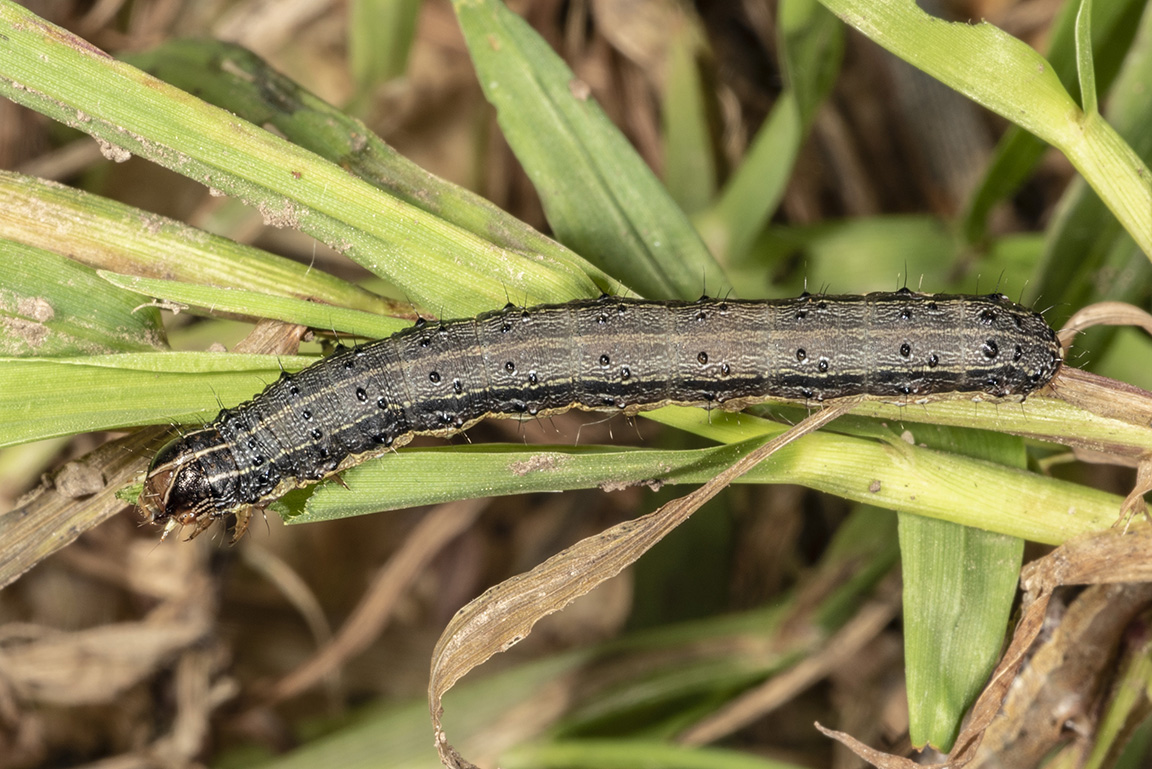
Fall armyworm pheromone trap catches low throughout Indiana.
Fall armyworm pheromone trap catches low throughout Indiana.
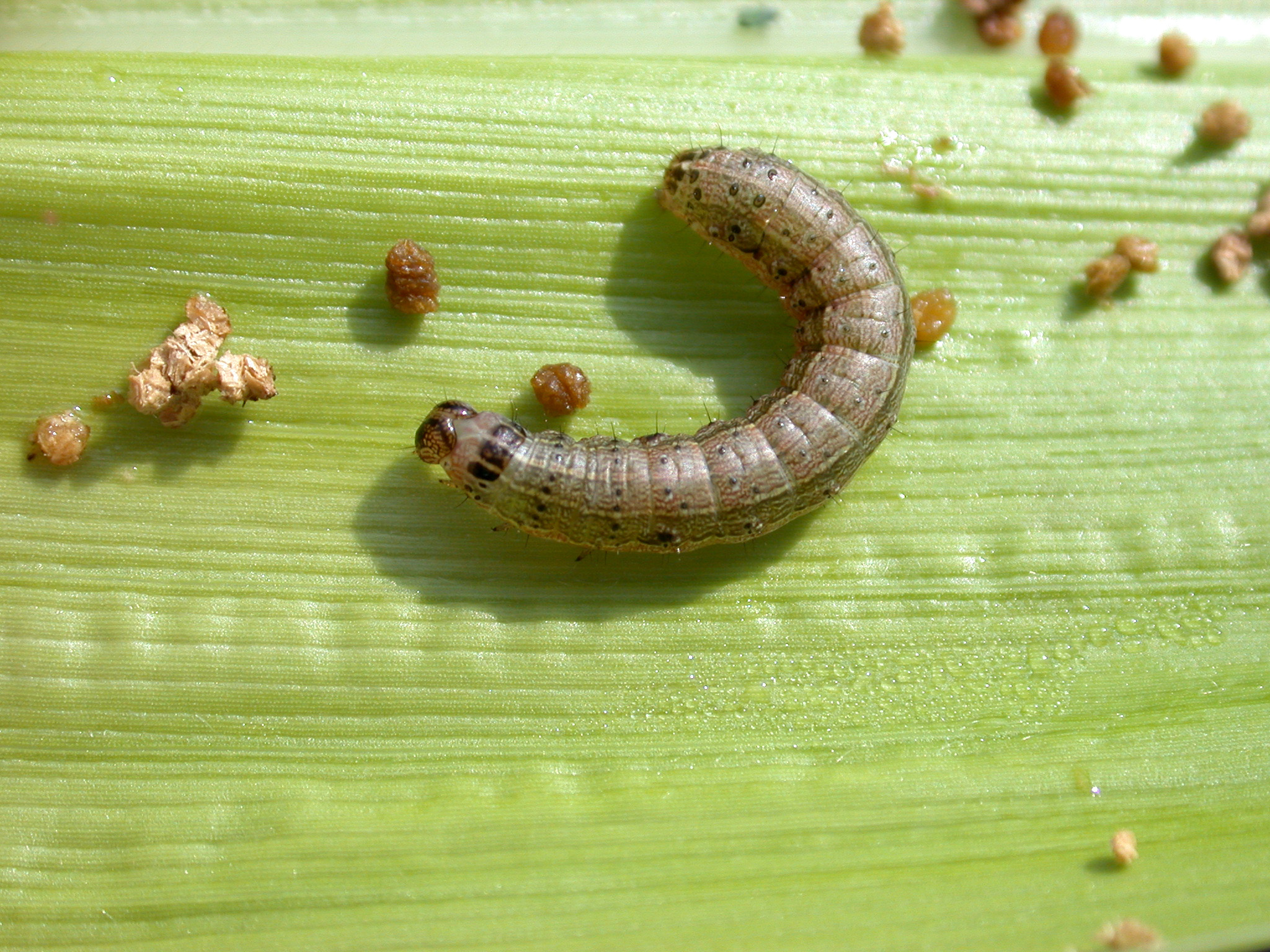
In recent weeks, fall armyworm infestations have been decimating some soybean and forage crops in Kentucky.
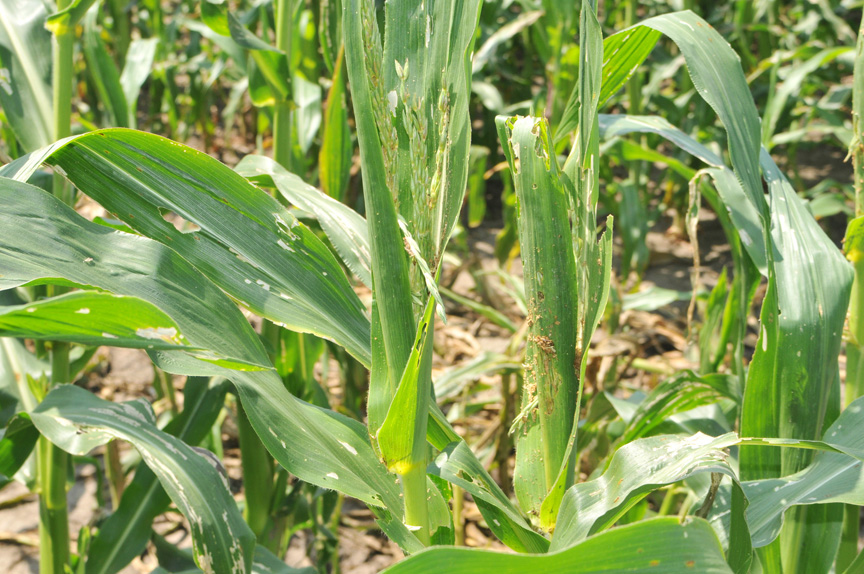
Everyone remembers last year; many are awaiting this year’s fall armyworm (FAW) attack. Still, at this time, there is little activity reported in the Midwest.
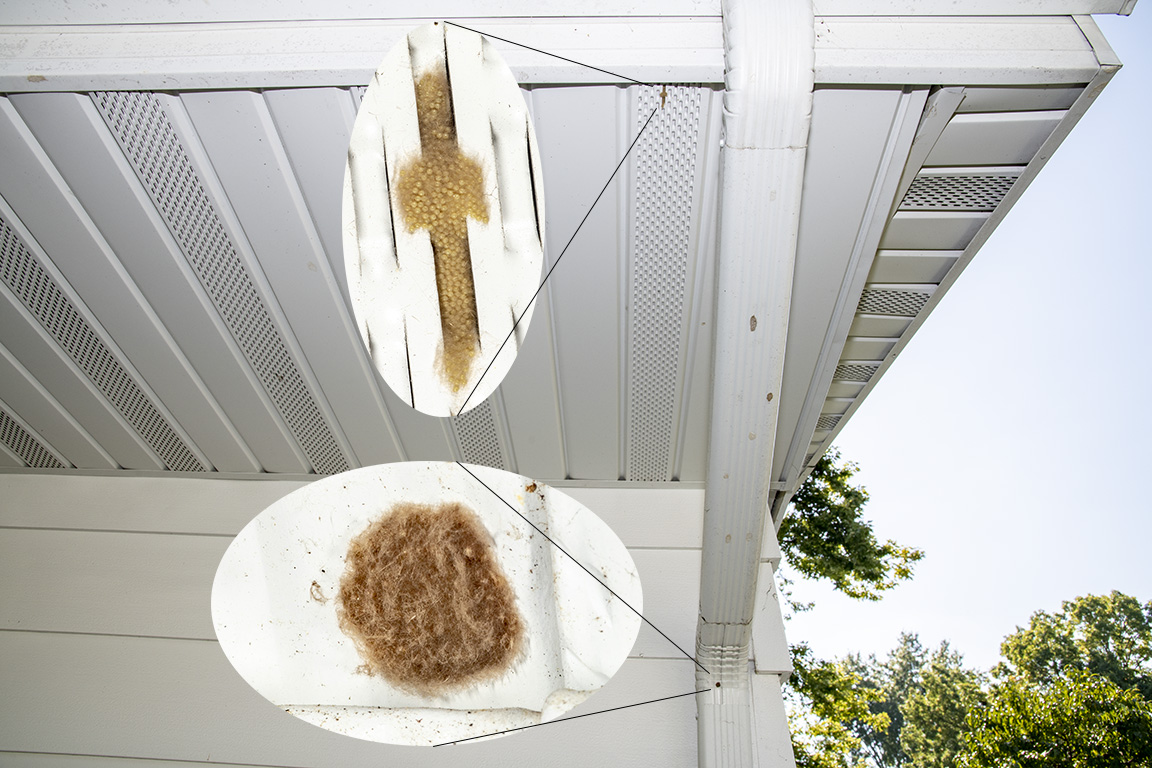
Astute observers have recently reported mysterious egg masses on the outside of their homes, including siding, gutters, soffits, facia, and porch ceiling fan blades!
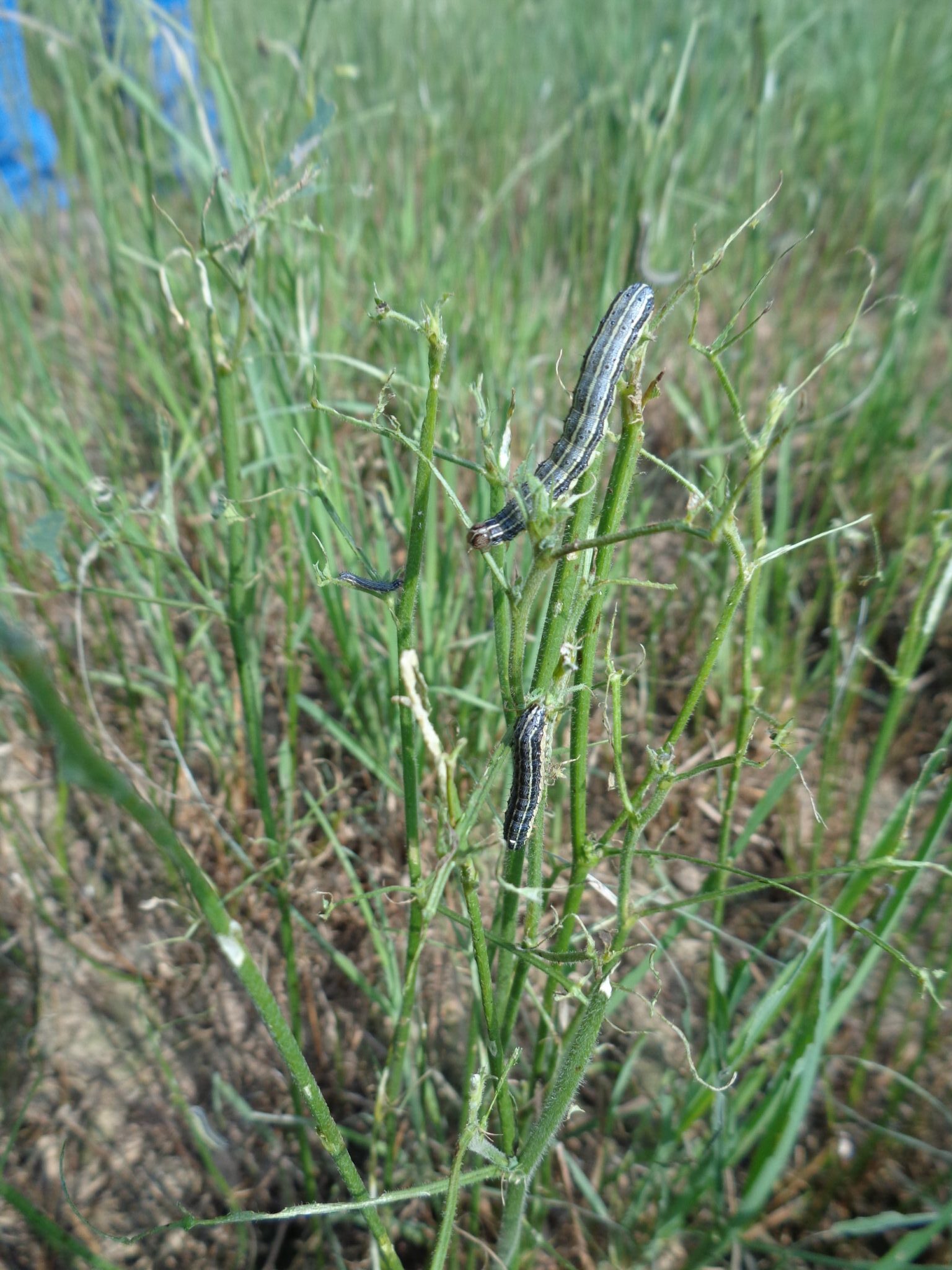
Fall armyworm invasion was predicted in early August by Purdue University entomologists.
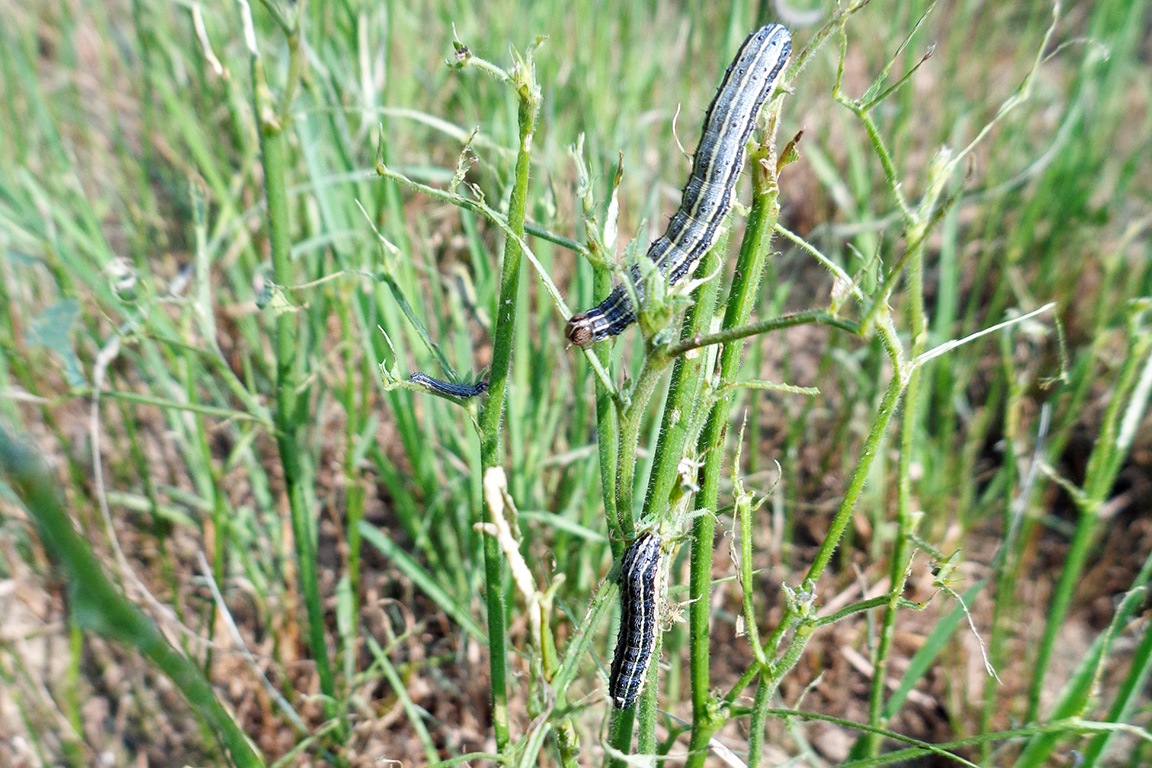
Reports of denuded forage crops, especially alfalfa, from large numbers of fall armyworm have been shared from throughout Kentucky and southern counties of Indiana and Illinois.
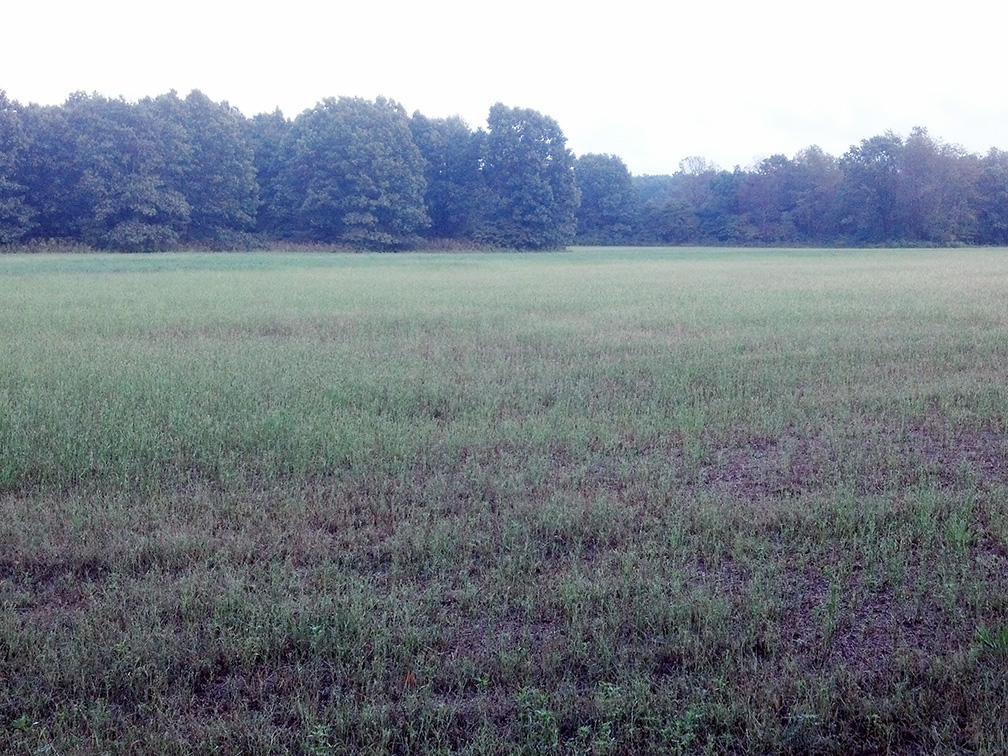
In recent weeks, fall armyworm infestations have been decimating some soybean and forage crops in Kentucky.
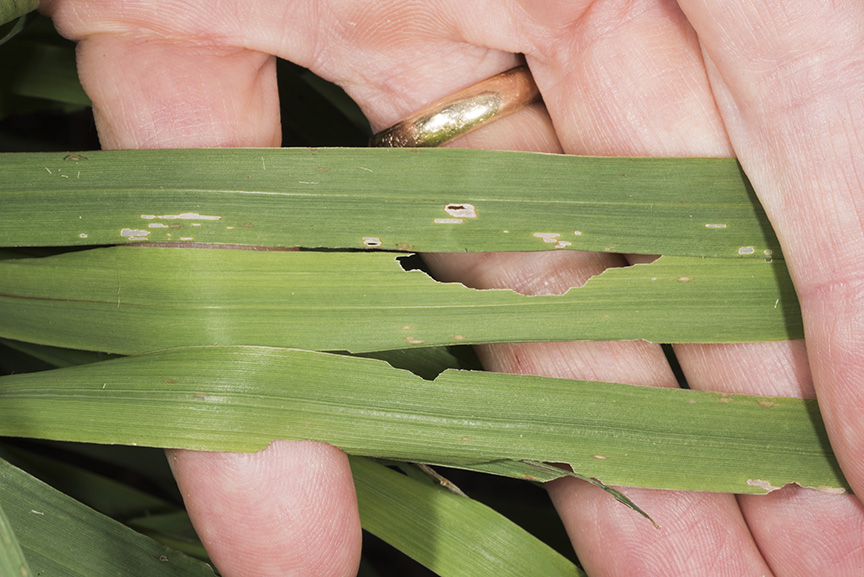
Over the past six weeks, armyworm moth captures at the Purdue Ag Research Centers (see accompanying “Armyworm Pheromone Trap Report”) have been variable.
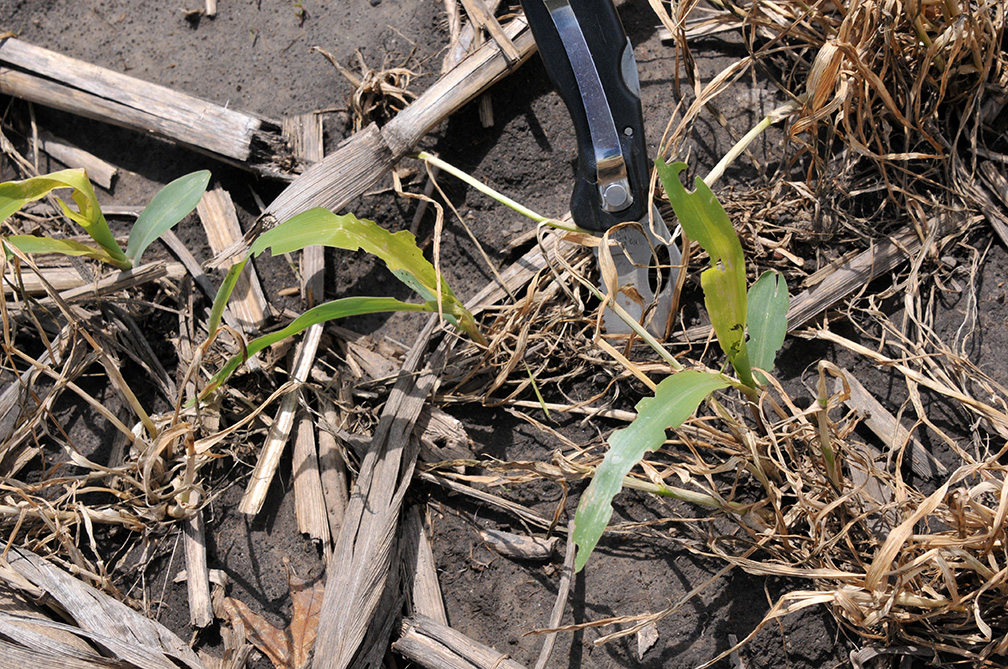
Over the past seven weeks, armyworm moth captures at the Purdue Ag Research Centers (see accompanying “Armyworm Pheromone Trap Report”) have been variable, certainly not eye-popping! This happens most years, as do localized outbreaks. It is a reminder to conduct timely scouting in high-risk fields when the larvae are actively feeding, mid to later May. The increased popularity of cereal rye as a cover crop presents new opportunities for egg-laying females to find attractive food sources. The timing of planting this year, where many cover-cropped or weedy fields may be “planted green” is not helpful to those trying to avoid hungry armyworms. Like every year, some (true) armyworm moths overwinter here, but some are also blown here from states to the south and west. Don’t confuse this annual pest with the fall armyworm (different species) that doesn’t arrive until mid-later summer. The fall armyworm caused a stir late last summer[Read More…]
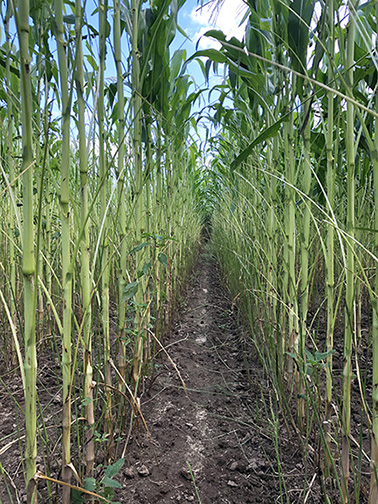
There have been multiple enquiries over the last week concerning corn leaves and forage grasses disappearing!
© 2024 Purdue University | An equal access/equal opportunity university | Copyright Complaints | Maintained by Pest&Crop newsletter
If you have trouble accessing this page because of a disability, please contact Pest&Crop newsletter at luck@purdue.edu.