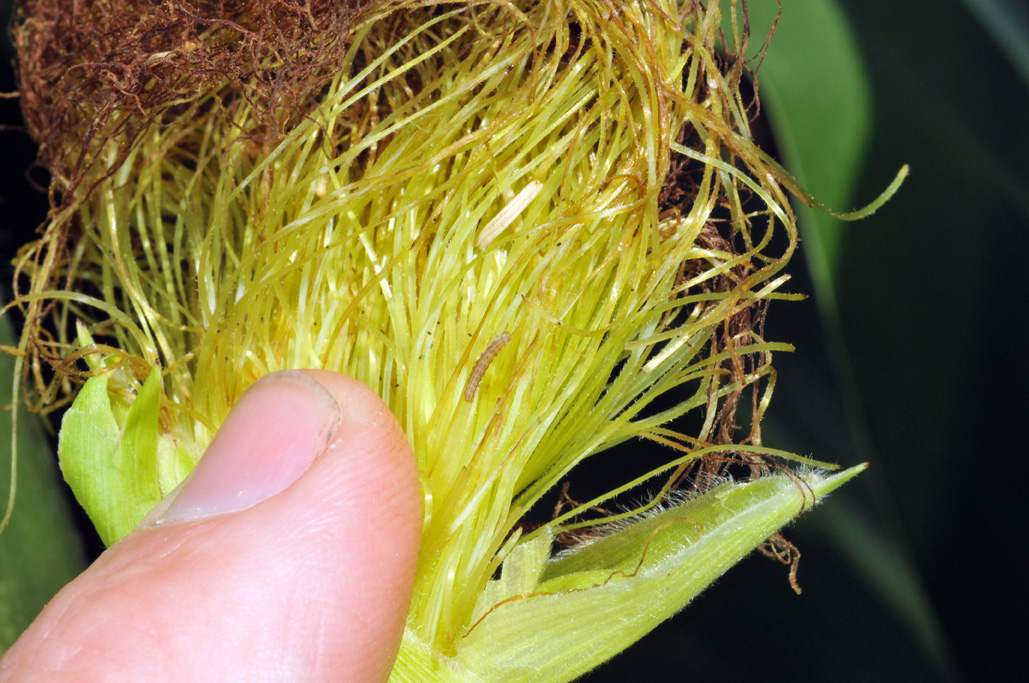
The vast majority of cornfields in the northwestern counties of Indiana have reached or have passed pollination.
The vast majority of cornfields in the northwestern counties of Indiana have reached or have passed pollination.
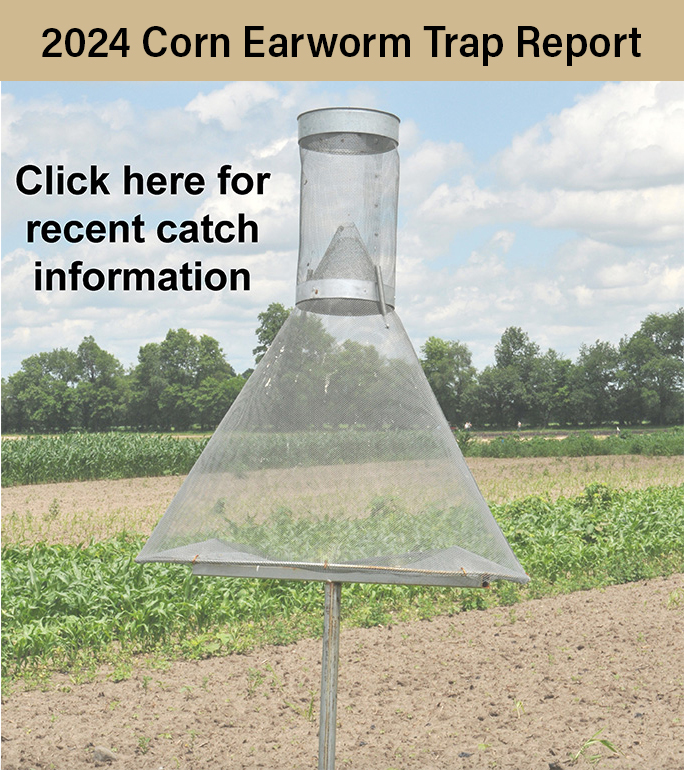
2024 Corn Earworm Trap Report
What are these “huge” Japanese-like beetles seen around homes, golf courses, parks and farmsteads?
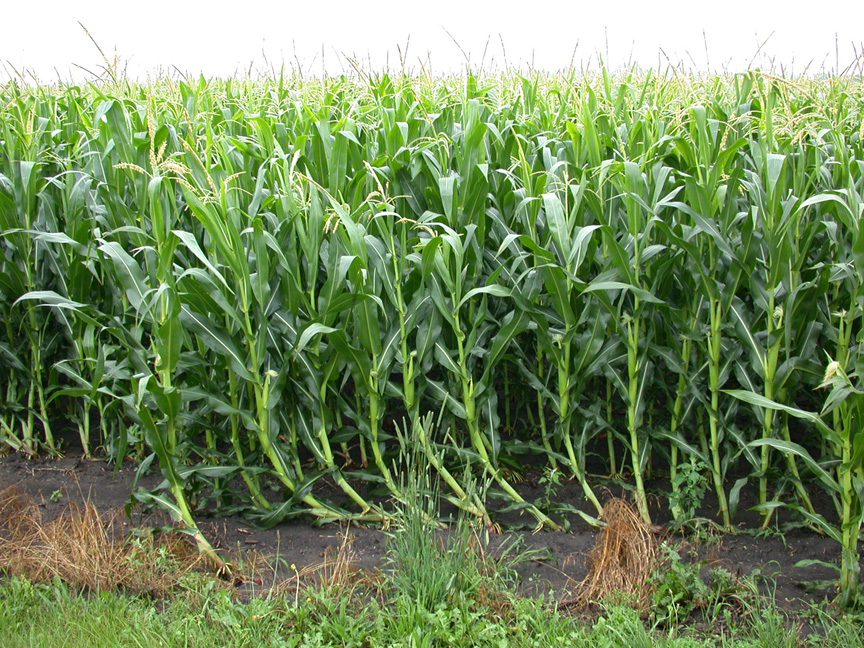
Corn lodging, during rapid vegetative growth just before pollination, is not a welcome site.
2024 Corn Earworm Trap Report
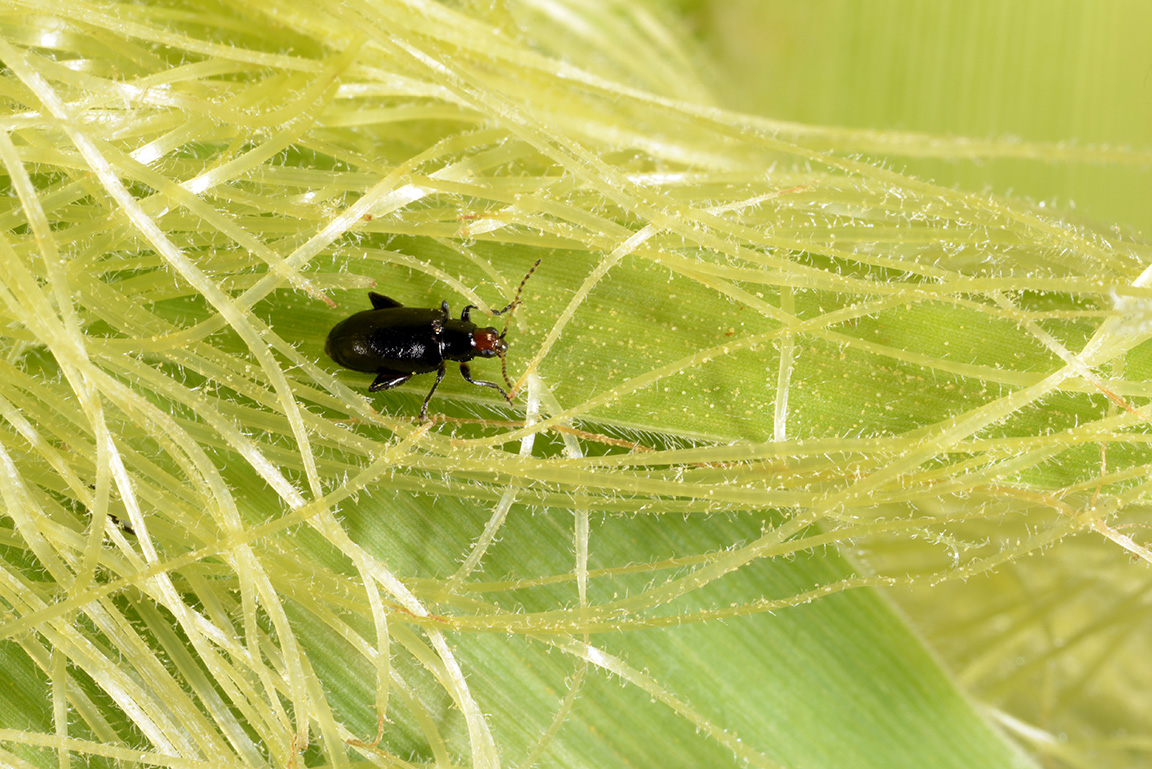
Though more of a curiosity, and infrequent, it is refreshing for us to receive calls/emails of mysterious insects “threatening” the crop.
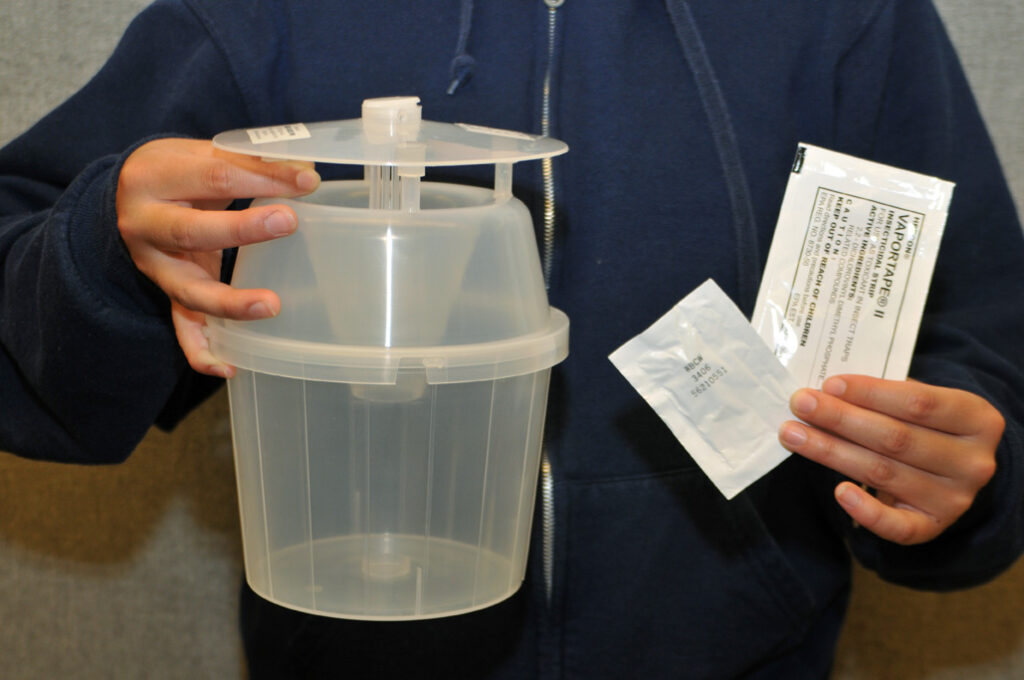
As we move into the first days of summer, we are finished with the early season, migratory moths and caterpillars (armyworms, black cutworms) and are now into those that overwinter here. For those pheromone trapping for western bean cutworm moths, you should begin this week. This is just the beginning of an extended moth emergence and flight, with their peak activity expected 2-3 weeks from now. Those in high-risk areas, i.e., sandy soils, high moth flight and WBC history should be gearing up for field scouting of corn, even those with Bt-traits. Depending on the trait expressed by your corn hybrids, efficacy can be highly variable. Scouting of pre-tassel corn should begin once multiple moths are being captured regularly. In five different areas of a field, inspect 20 consecutive plants for egg masses which are laid on the upper surface of the top leaves of corn and/or larvae that may[Read More…]
Armyworm Pheromone Trap Report – 2024
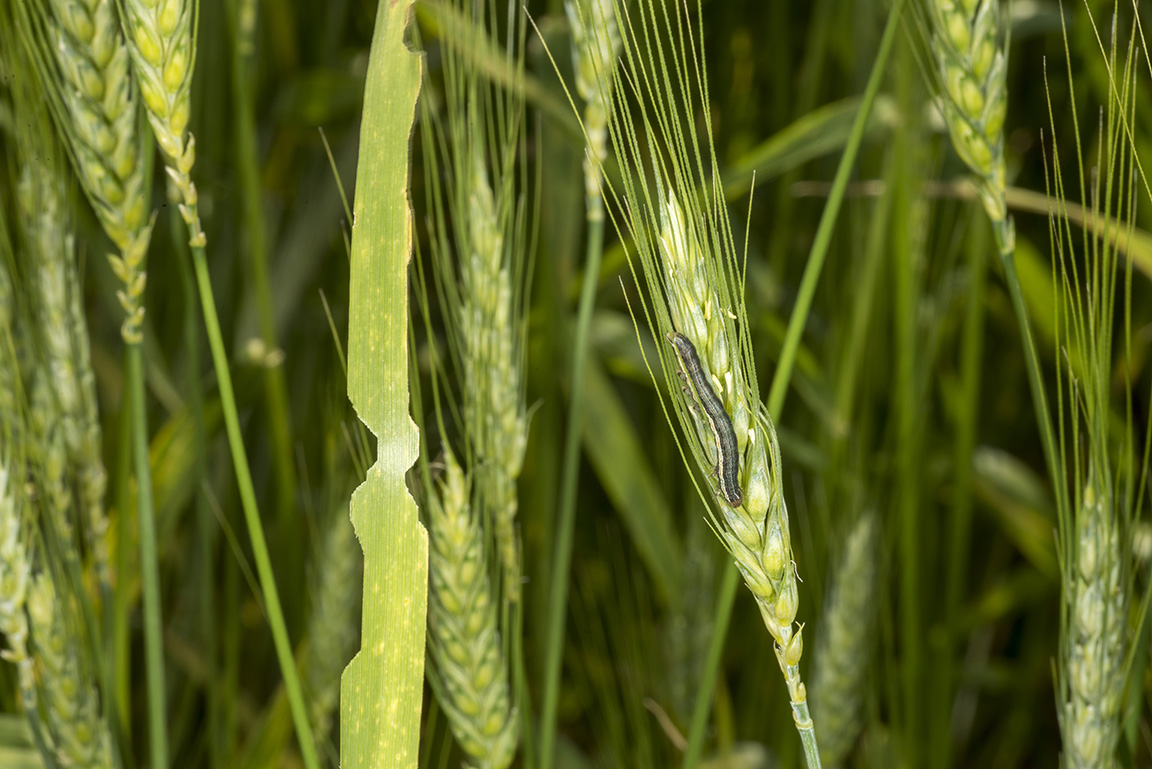
Earlier this week, we received reports of armyworm in northern counties continuing to damage wheat.
Armyworm Pheromone Trap Report – 2024
© 2026 Purdue University | An equal access/equal opportunity university | Copyright Complaints | Maintained by Pest&Crop newsletter
If you have trouble accessing this page because of a disability, please contact Pest&Crop newsletter at luck@purdue.edu.