Sampling an alfalfa field to determine the extent of alfalfa weevil damage and average stage of weevil development is best accomplished by walking through the field in an “M-shaped pattern.”
Sampling an alfalfa field to determine the extent of alfalfa weevil damage and average stage of weevil development is best accomplished by walking through the field in an “M-shaped pattern.”
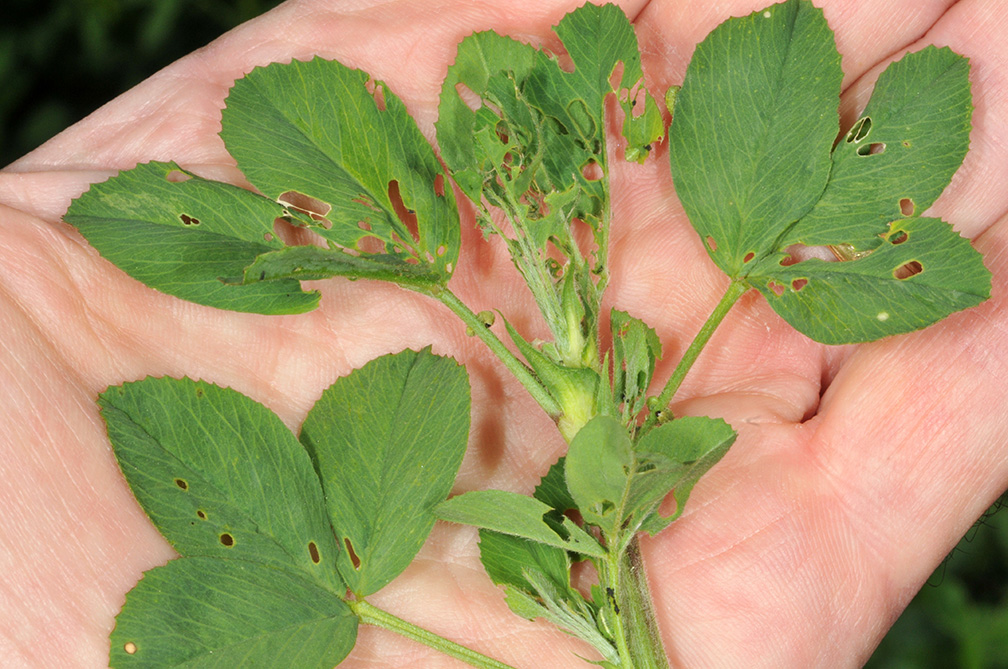
Pest managers, in southern Indiana, should now be scouting their alfalfa for leaf feeding from weevil larva.
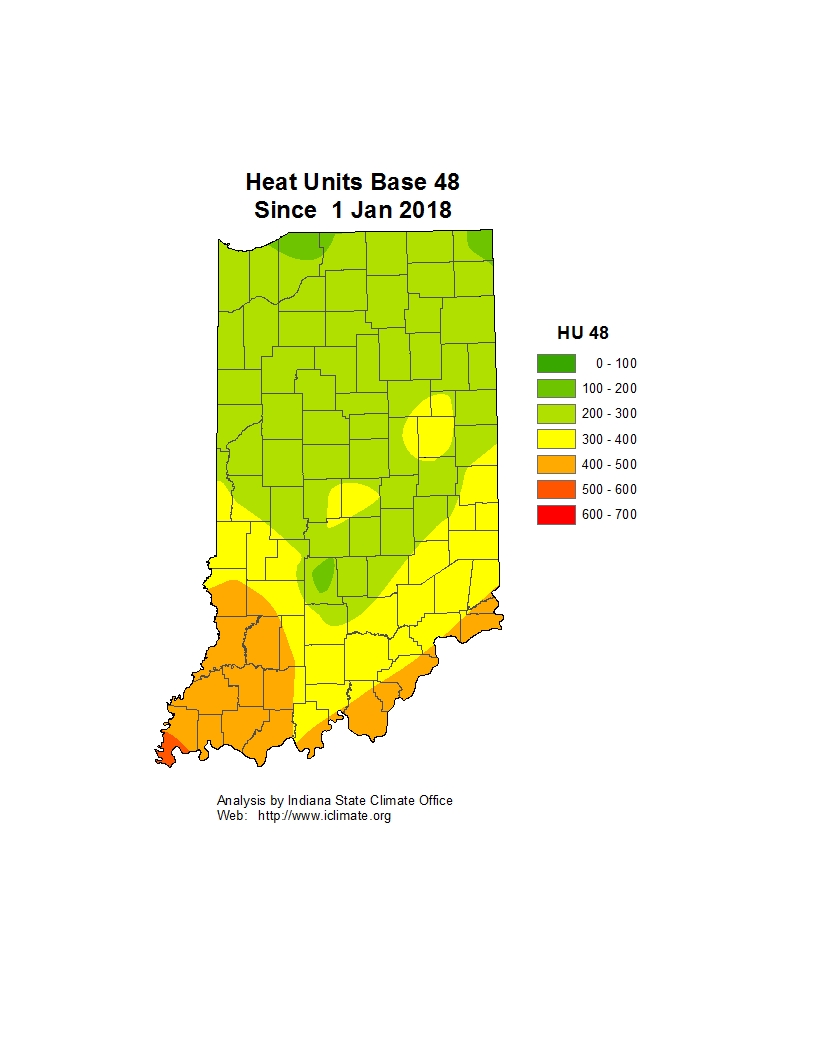
Pest managers should now be scouting their alfalfa for leaf feeding from weevil larvae. This pest is often overlooked during the early spring planting season.
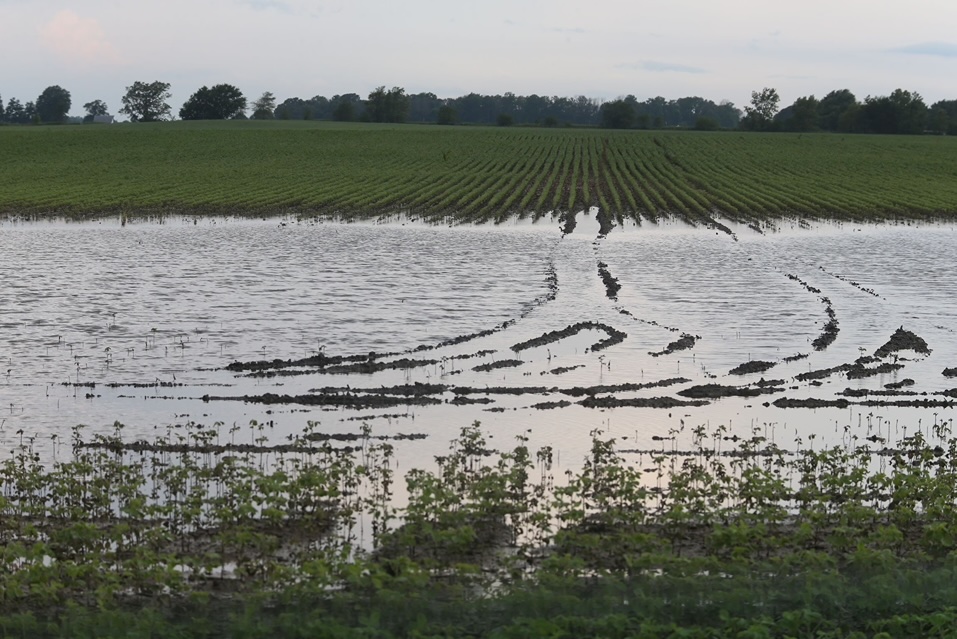
Many alfalfa fields in northeastern Indiana suffered serious winter injury. Statewide, alfalfa weevil damage was more common this year and control was difficult because of persistent spring rain. Timely forage seeding of perennial legumes and cool-season grasses this spring was not possible because of excessive rain. Continued rainfall has limited the ability to make hay on a timely fashion and forage quality will be compromised. A result of all of these concerns is that forage supplies in the Midwest USA will likely be reduced in 2019. Producers need to carefully consider all options to meet forage needs if winter injury and waterlogged soils reduced forage yield and quality.
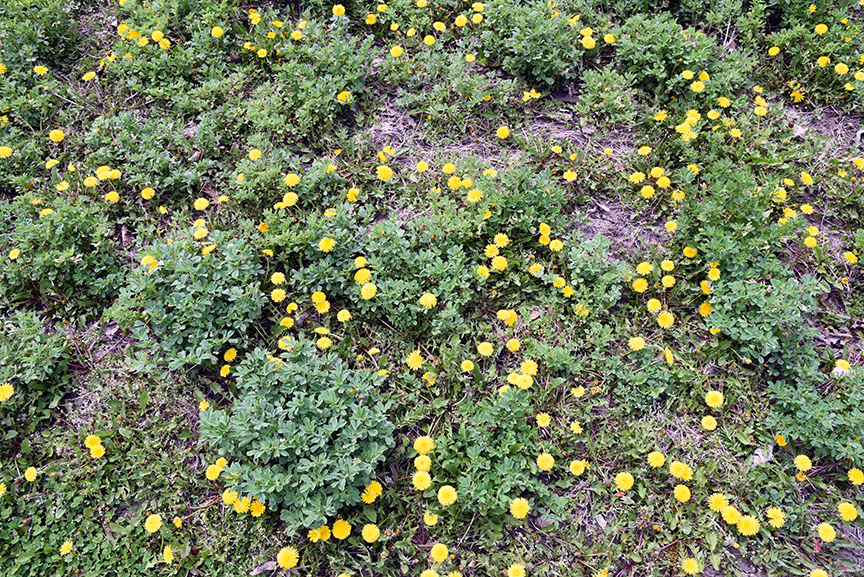
Now that alfalfa has broken winter dormancy, it is time to assess the wellbeing of the crop. It is important to scout the entire field and not just one location as differences in soil types can change conclusions made about alfalfa health.
This article was originally posted on the Ag Climate Dashboard, located at https://ag.purdue.edu/news/2025/08/new-ag-climate-dashboard-makes-climate-resources-more-accessible-for-midwest-farmers.html WEST LAFAYETTE, Ind. — The Midwestern Regional Climate Center (MRCC), with support from the United Soybean Board, has launched the Ag Climate Dashboard — a centralized digital hub offering streamlined access to integrated climate and agricultural data and decision-support tools for producers, advisors and researchers in the Midwest. Designed to support on-farm decision-making, the Ag Climate Dashboard offers up-to-date weather data, National Weather Service forecasts, Climate Prediction Center outlooks, historical records and interactive tools for monitoring crop growth, pest threats, climate anomalies and extreme weather events. The dashboard also connects users to regional ag climate products and a variety of state-specific resources. State-specific pages, such as Indiana’s, link to tools and resources like the Purdue Mesonet and the Indiana State Climate Office. “We want to provide as much clear, well-organized information to producers and advisors as possible[Read More…]

Tracking plant growth and pest development is essential for timely decisions throughout the growing season.
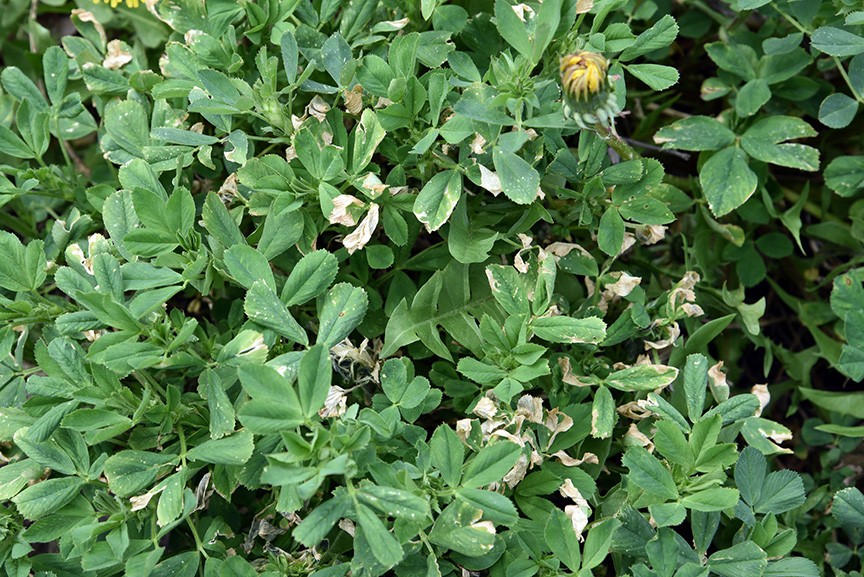
Last week’s articles were concerning the eye-popping numbers of black cutworm and armyworm moths being captured by pheromone trap cooperators and weevil damage being reported in southern Indiana alfalfa fields.
© 2026 Purdue University | An equal access/equal opportunity university | Copyright Complaints | Maintained by Pest&Crop newsletter
If you have trouble accessing this page because of a disability, please contact Pest&Crop newsletter at luck@purdue.edu.